
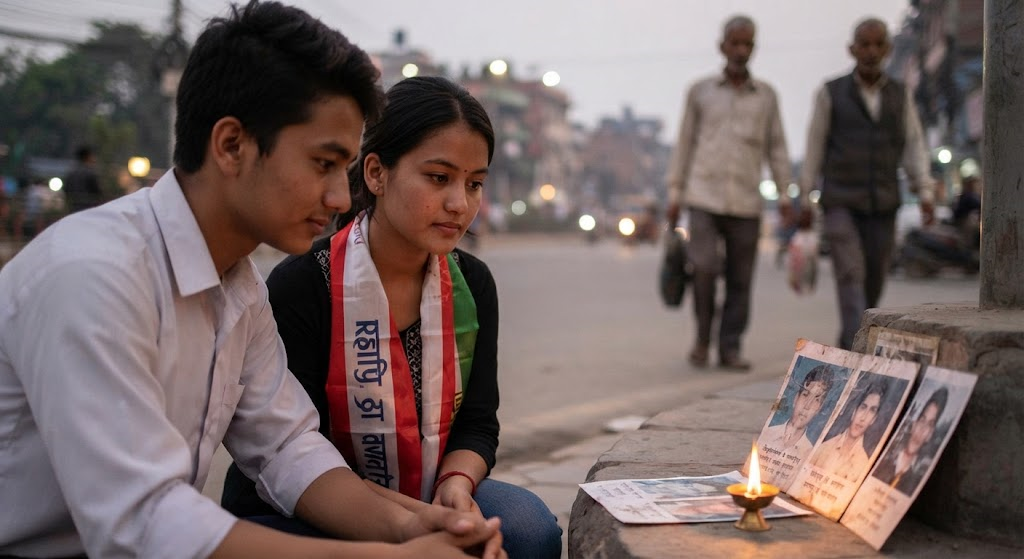
On September 8 last year, young Nepali students walked onto the street in their school uniforms.
They wanted a better Nepal. Many of them died that day and the next day. Security forces used force on them.
Anger spread across the country. The government fell within days.
A guy who was supposed to distribute drinking water in the steet protest, Sudan Gurung became a famous face.
Balendra Shah, once a mayor and a rapper, became the youngest prime minister of Nepal.
He collaborated with Rastriya Swatantra Party and rode the wave of youth anger straight into power. People hoped for a new Nepal.
One year later people must ask a hard question. Has this new leadership actually delivered?
The answer is mixed. Mostly it is disappointing.
Land squatters were forcibly taken out of their settlement and put in the holding center. But the government has no clear plan to solve this old problem of the livelihood of the poor. Officials talk about reform, but real action stays slow.
Merit-based appointments remain a dream, not a practice. The government picked a chief justice by skipping three senior judges. This broke a tradition followed for seven decades. Judges protested openly. Rights groups raised alarm about judicial independence. The court later closed the challenge in a ruling that looked like a conflict of interest. Trust in the judiciary took a heavy hit.
The prime minister stood in parliament and said Nepal has encroached India’s land in some places. Diplomats reacted with shock. Former ambassadors called the statement wrong and careless. A leader who once hung a map of Greater Nepal on his office wall gave away ground on a subject that touches national pride. This was not diplomacy. This was carelessness spoken out loud.
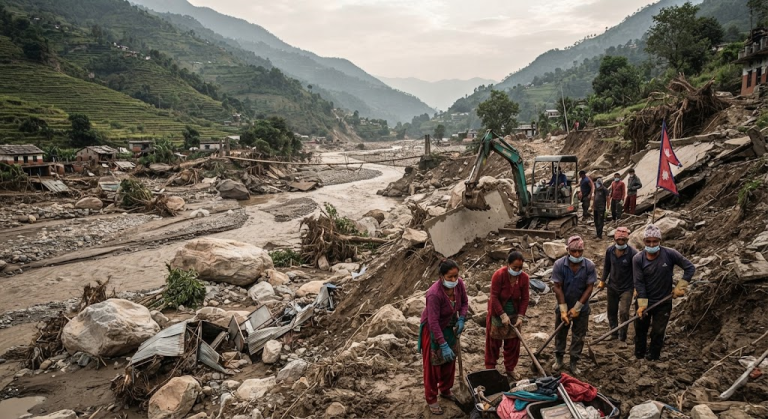
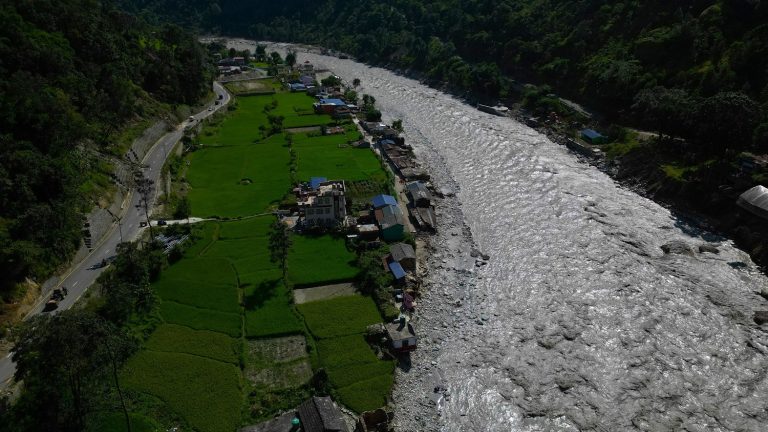
Then recently Nepal witnessed the Rasuwa disaster. A massive flood and mudslide killed people and swept away roads and bridges.
Opposition leaders said the government stayed busy on social media instead of reaching victims in time. Even the supporters of the government said the army moved fast, but ordinary people were left out of the plan.
After the martyrs of September 8 stood against a government they called it visionless, this response showed the same old habits and mindset of the rulers in the present government as well.
No approach. No method. No will to learn from experience. These could be harsh words, but they are fair words based on what actually happened this year.
We must be fair to Gen Z . They indeed raised real questions. They asked why corruption never gets punished. They asked why the same old families rule Nepal generation after generation. They asked for jobs, dignity, and a government that actually listens. These questions remain valid even when the answers this government gave have not worked.
We should look outside Nepal too. In Bangladesh, the youth party built after the 2024 uprising fought the 2026 election and won only six seats out of three hundred. Voters chose the old established party instead. In India, a mocking word from a judge turned into a huge youth movement online, yet even sympathetic observers say comparing it with Nepal and Bangladesh is overblown. Across South Asia, young voters raise the flag of protest more easily than they build the machinery of governance.
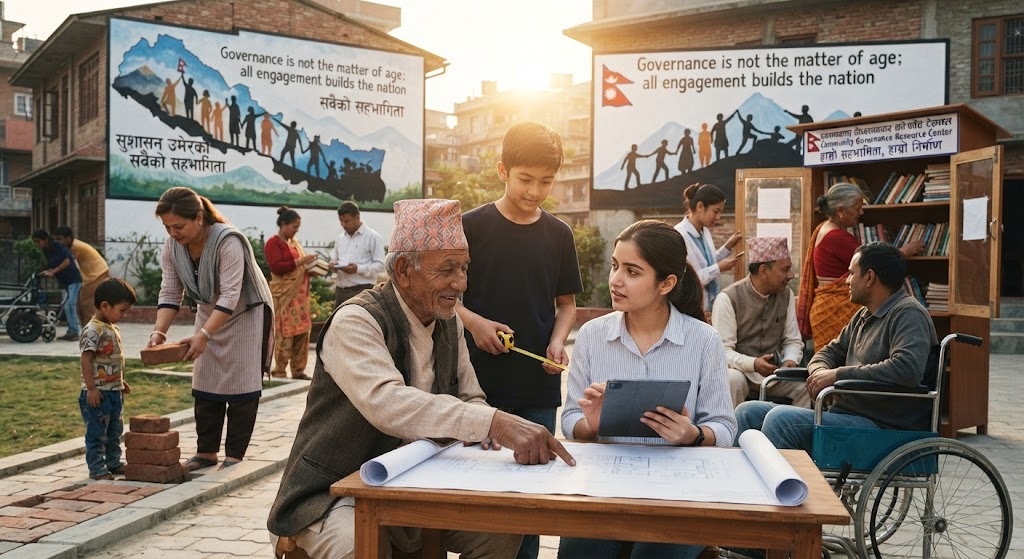
Nepal is no different. Voters gave Gen Z leaders a real chance. The numbers in parliament went their way. But numbers alone do not build roads. Numbers alone do not deliver justice. Numbers alone do not manage a flood. Governance needs patience, planning, and humility. Governance is not the matter of age.
This line matters because Nepal must not fall into a new trap. The trap says only young leaders can save the nation, or only old leaders know how to rule. Both ideas are wrong. A nation is built by farmers, teachers, soldiers, mothers, elders, and children together. It is not owned by one age group.
We must also remember something painful on the eve of the government-declared Gen Z martyrs’ day. Not every Gen Z voice carries the same weight of suffering.
Some young leaders who now sit in ministries grew up with comfort and connections. Some of the boys and girls who died on September 8 came from poor homes in far villages. Their families now wait quietly with grief while some leaders enjoy power and headlines. We cannot place the elite Gen Z and the marginalized Gen Z on the same page. Their sacrifice was not equal in comfort.
The way forward is simple even if it is hard. Nepal needs a government that appoints people by merit and not by loyalty.
It needs to protect the judiciary from political pressure. It needs to speak carefully on border matters, with homework done first.
It needs to reach disaster victims through action, not through Facebook posts. And it needs to remember every citizen who built this republic, from the school child of September 8 to the farmer who never marched at all.
A unified and strong, prosperous Nepal will only be attained when every citizen, of every age and background, feels respected and given a real role in building the nation. Not by praising one generation and blaming another. That is the true lesson of the Gen Z martyrs day to be observed tomorrow.