
कालीगण्डकीको भेल
MYAGDI, October 2.
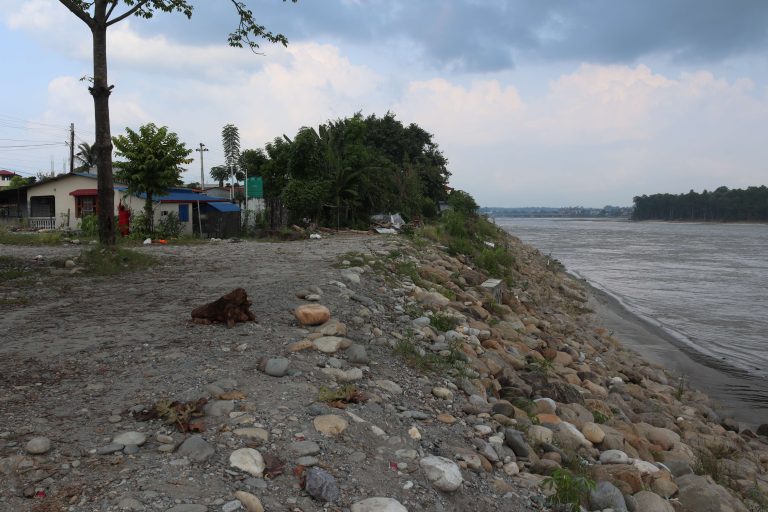
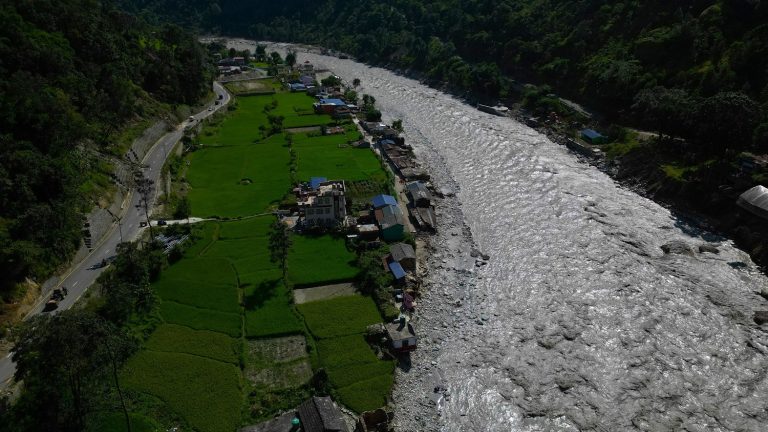
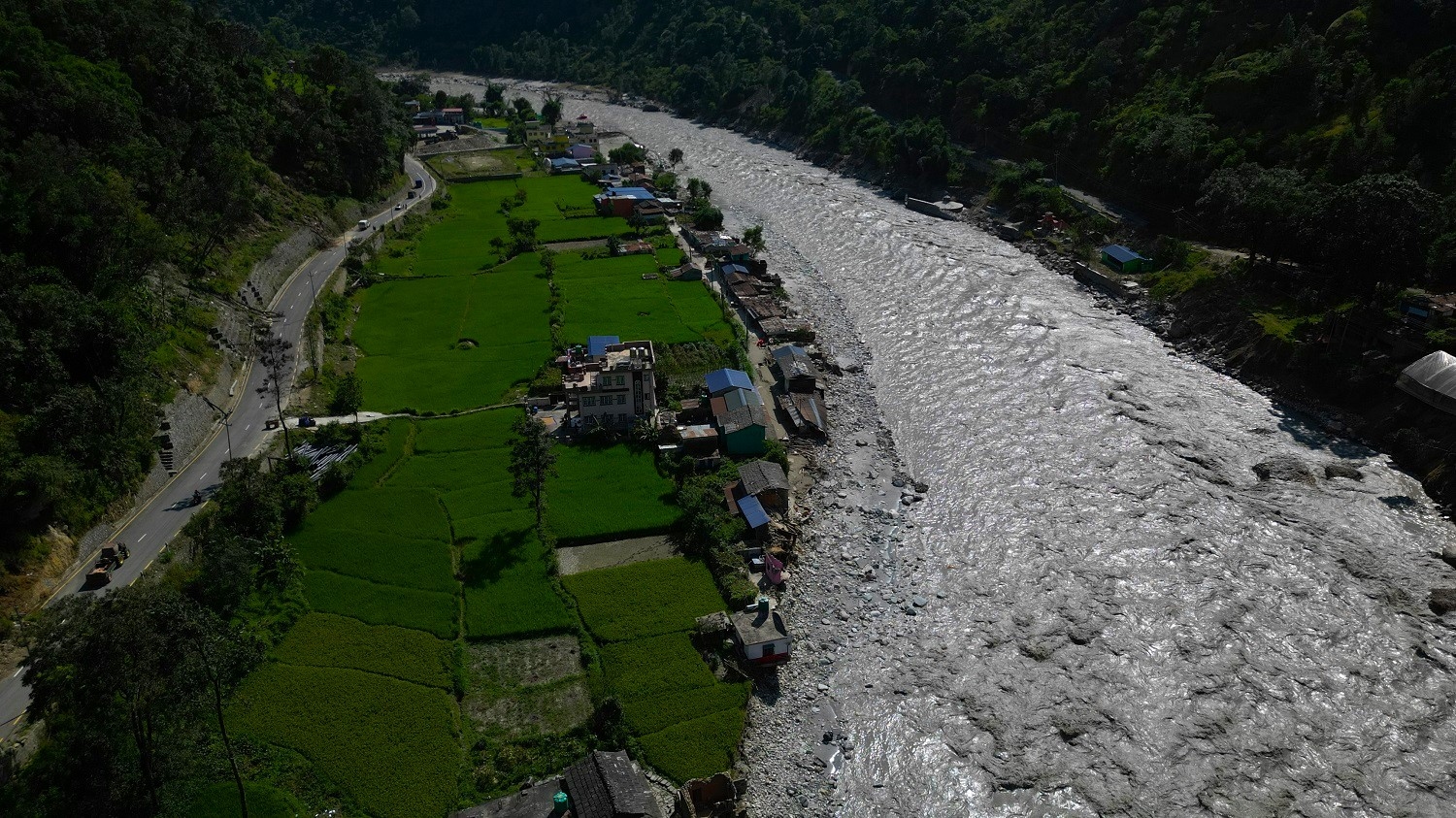
Just days ago, Pharse was a thriving village filled with homes, livestock sheds, lush farmland, and the bustling laughter of children. Today, where families built their lives, the roaring waters of the Kaligandaki River flow unchecked.
On September 27, massive flooding devastated Pharse in Ward 8 of Jaljala Rural Municipality, Parbat district, upending the lives of dozens of families. Homes built over decades of hard work, personal property, and livestock were all swept away in an instant.
Personal Accounts of Loss
Nirmala Sapkota’s family had moved to Pharse from Ratnechaur, Beni Municipality–1, attracted by convenient transportation and access to markets for agricultural produce. Recognized as a well-to-do household in the community, Nirmala now finds herself with nothing.
“We built a well-furnished home here and were living comfortably,” Sapkota recalled. “The flood took everything except the clothes on our backs and the cattle we managed to unbind. We survived, and that is the only silver lining.”
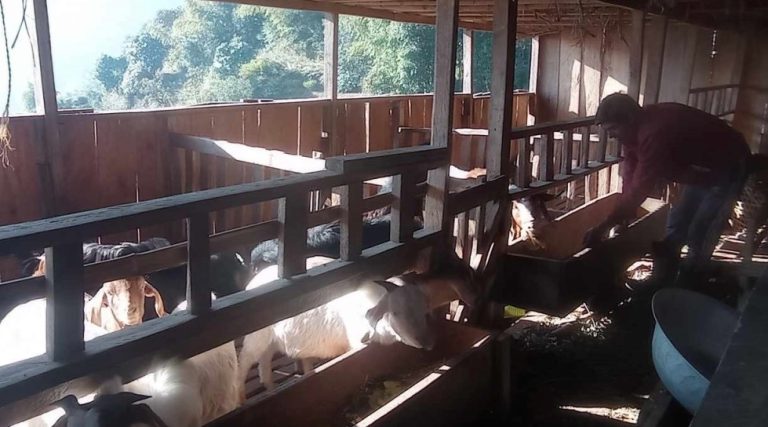
Similarly, Bishnukumari Hamal’s family had built four houses after relocating from Dhairing for trade and business. Her husband, Dil Bahadur Chhetri, operated Shiva Vegetable and Livestock Farm, even installing solar water heaters for cattle care. “Where our modern home and sheds once stood, the river now runs. We have nothing left except old photographs,” Hamal said.
According to Jaljala Rural Municipality, around 100 families in Pharse have been affected. A total of 75 houses were completely washed away, while 27 remain at high risk. The disaster displaced 75 families comprising 129 women, 144 men, and eight children under five years of age. Displaced residents without alternative housing or relatives to stay with have been relocated to temporary relief camps set up with help from security forces, informed Vice-Chairman Deepak Acharya.
Early Warnings Averted Loss of Life
Local resident Sangita Sharma recalled the harrowing night of September 26. Although locals were alert due to heavy rainfall warnings, no one anticipated the Kaligandaki would breach the settlement so violently.
Around midnight, youth from the Pharse Youth Club sounded alarms using megaphones. By 2:00 AM, families fled into the torrential rain with only the clothes they were wearing.
“Jewelry, food grains, clothes, furniture, cash, and essential documents were all left behind—there was only enough time to save our lives,” Sharma said.
Haribikas GC, Ward Chairman of Jaljala–8, whose own ancestral home was swept away, confirmed that early warning efforts prevented human casualties, even though physical damage was catastrophic.
The flood also washed away a century-old suspension bridge connecting Pharse with Dhodeni in Baglung, forcing students attending Janakalyan Secondary School to take lengthy detours.
Impact on Agriculture and Dairy Enterprise
Historically a trade hub during the Panchayat era along routes to Baglung, Mustang, and Myagdi, Pharse transitioned into an agricultural and dairy center following road expansions along the Korala Corridor (Maldhunga–Beni road).
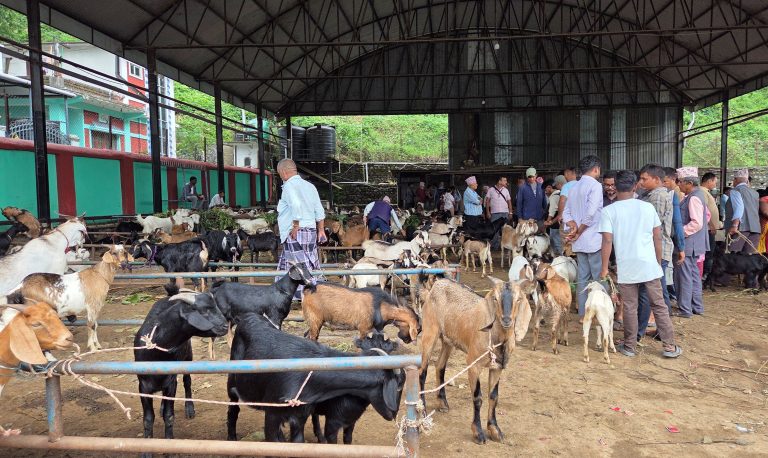
Khadga KC, Secretary of the local Sangam Dairy and Agricultural Cooperative, noted that Pharse supplied 600 to 800 liters of milk daily to Baglung market, sourced from 40 farmers. With nearly half of these farmers displaced and surviving livestock lacking feed and shelter, milk production has drastically collapsed.
Calls for Rehabilitation and Embankment Works
Despite the devastation, community leaders and victims remain determined to rebuild. Ramu Subedi, Chairman of the Pharse Tole Development Committee, stressed that long-term recovery requires secure resettlement, river control works, and a strict halt to unregulated riverbed extraction along the Kaligandaki. He warned that without immediate embankments, the river could shift course further, threatening additional farmland and the strategic road connecting to the Korala border crossing.
Jaljala Rural Municipality Chairman Raju Acharya stated that a dedicated secretariat has been established to manage relief through a one-door system, distribute identity cards, and run health and psychosocial counseling camps. The local government has submitted rehabilitation and embankment proposals to both provincial and federal governments.
During a recent site visit, Gandaki Province Chief Minister Surendra Raj Pandey committed government support for reconstruction and rehabilitation efforts.