
धनकुटाका मगर र जनजाति सङ्ग्रहालय
DHANKUTA, October 3.
Magar and Indigenous (Janajati) museums established in Chaubise Rural Municipality of Dhankuta to preserve local culture, history, and identity currently remain shadowed due to a lack of publicity, tourism promotion, and necessary infrastructure.
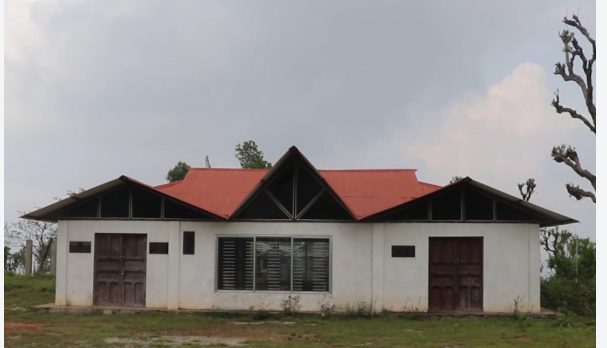
The Magar Museum, located at Dandagaun in Chaubise Rural Municipality–2 (Mudhebas), houses over 100 historical and cultural artifacts traditionally used by the Magar community. Exhibits including antique utensils, traditional attire, musical instruments, wooden artifacts, agricultural tools, and traditional weapons reflect the lifestyle, heritage, and history of the Magar ethnic group. However, the museum receives very few domestic or international visitors.
Tankamaya Pangmi Magar, Vice-Chairperson of Chaubise Rural Municipality, stated that the museum was established to protect indigenous culture and introduce the younger generation to their history and traditions. She noted that construction began four years ago with NPR 1 million allocated under the Constituency Infrastructure Program. “We have collected and preserved rare artifacts of the Magar community, but we have lacked adequate publicity,” she said, adding that plans to run homestays alongside the museum could not be implemented, hindering tourist attraction.
Local resident Prem Bahadur Magar remarked that while the museum in Mudhebas holds immense potential to become a cultural conservation hub, the absence of a clear tourism integration strategy has led to low visitor turnout.
Similarly, the Janajati Museum in Chaubise Rural Municipality–7 (Dandatol) faces a similar predicament. Built in 2018 (2075 BS), it showcases artifacts related to the culture, rituals, and traditions of the Limbu community, along with cultural items from Yakkha and Magar communities. Despite good road connectivity accessible by all vehicle types, tourist footfall remains below expectations.
Chaubise Rural Municipality Chairperson Rajkumar Chemjong stressed that constructing a museum alone does not fulfill cultural preservation goals without linking it to tourism and ongoing promotion. “Important cultural assets are safely preserved in the museum, but few people know about them,” Chemjong said. “Integrating promotion, tourism packages, and local participation can help establish these museums as key identifiers of our rural municipality.”
Chemjong added that museums serve as living records of a community’s civilization and identity. Connecting these facilities with school educational tours, cultural festivals, local art displays, and homestays would boost local economic activities alongside tourism development.
Local residents Dal Bahadur Magar and Jiban Yakkha emphasized that equal attention must be given to long-term operation, management, and promotion after investing in such infrastructure. They noted that with effective management and tourism promotion, these museums hold strong potential to evolve into major cultural tourism destinations in the province.
(RSS)