
Kathmandu, Sept. 30: With online fraud, digital harassment and the circulation of misleading content emerging as growing concerns, the government is preparing a series of legal and policy reforms to regulate social networking platforms and strengthen accountability in the digital space.
The proposed reforms include new legislation to address the misuse of social media, stronger oversight of media conduct and measures to protect citizens, particularly children, from harmful online activities.
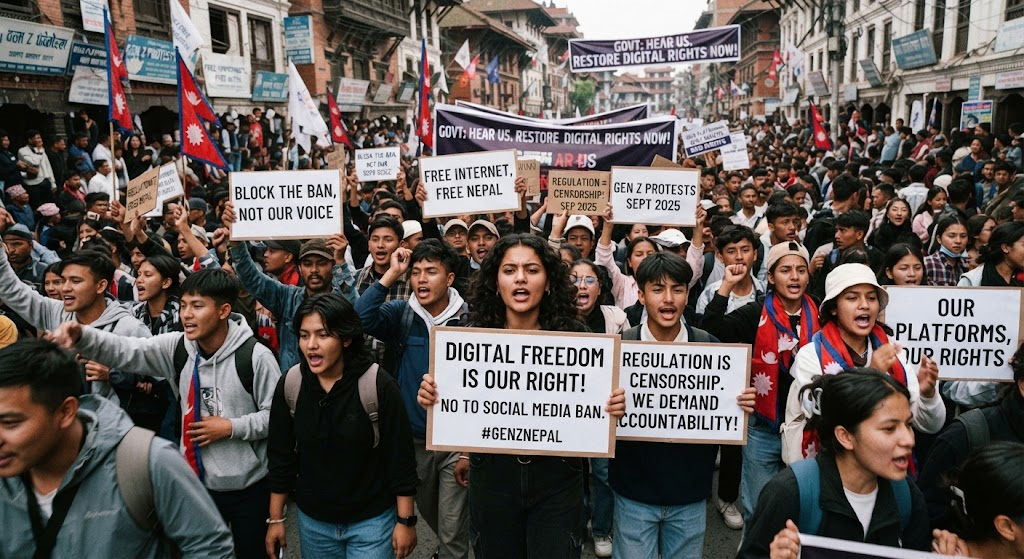
The proposed regulatory measures also come against the backdrop of Nepal’s Gen Z movement in September 2025, which was triggered by the government’s decision to block major social media platforms.
The movement brought widespread youth-led protests, raising questions about digital freedom, government accountability and the regulation of online platforms.
The latest push for tighter social media laws therefore comes amid continuing public sensitivity over restrictions on digital communication and the need to balance regulation with fundamental freedoms.
Responding to lawmakers’ queries in the House of Representatives on Wednesday, Minister for Information and Communications Bikram Timilsina said the government was working on legal mechanisms to curb fraud, character assassination, defamation and the dissemination of false and misleading information through social networking sites.
The draft Mass Communication Bill and Media Council Bill are expected to be registered in Parliament soon. Both legislations contain provisions aimed at discouraging the publication of fabricated and misleading information through social media and mass media outlets.
The Ministry is also preparing a separate legal mechanism to systematise and regulate social media platforms, according to the Minister.
The proposed Media Council Bill seeks to strengthen Press Council Nepal by expanding its powers and responsibilities, while promoting adherence to professional codes of conduct and maintaining the dignity of journalism.
Cyber fraud and online betting under scrutiny
The government is also intensifying coordination among the Ministry of Communications, Ministry of Home Affairs, Nepal Police Cyber Bureau and Nepal Telecommunications Authority to tackle increasing cases of cyber fraud.
According to Minister Timilsina, authorities have identified and blocked more than 305,000 unique online betting websites and applications through the Nepal Telecommunications Authority.
The government is also working to bring individuals involved in character assassination, spreading false information and creating public confusion through fake social media accounts to justice. The Cyber Bureau and Cyber Security Centre are coordinating their efforts in this regard.
Privacy and child protection in the digital age
Alongside enforcement measures, the government has placed emphasis on protecting citizens’ privacy and safeguarding children from the potentially harmful effects of social media.
Minister Timilsina said the government would study international practices, including age-based restrictions and regulatory standards adopted by different countries, before developing policies suited to Nepal’s social and cultural context.
He also raised concerns about the disruptive effects of social media on family relationships and the potential consequences for children.
The proposed reforms indicate a broader government effort to address the challenges of digital communication through legislation, institutional coordination and platform regulation. However, the effectiveness of these measures will depend on how the proposed laws balance the prevention of online fraud and abuse with citizens’ rights to privacy, freedom of expression and access to information.