

Photo: IARC Surrogacy
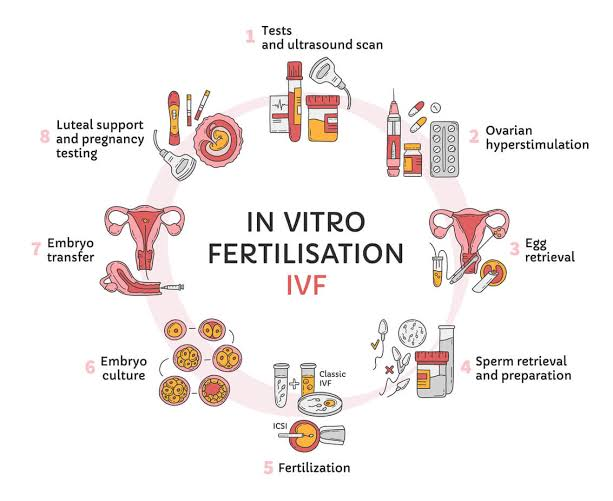
Kathmandu, Sept. 18: The government is preparing legislation to bring in-vitro fertilisation (IVF), surrogacy and other assisted reproductive technologies (ART) under a clear and comprehensive legal framework, amid growing concerns over reproductive rights, medical ethics, service quality and regulation.
The proposed legislation is expected to address areas including IVF, intrauterine insemination (IUI), infertility treatment, reproductive materials, patients’ rights, medical ethics, service providers and surrogacy.
The government said existing laws and policies provide some basis for regulating IVF and infertility services, but do not comprehensively cover the rapidly developing field of assisted reproductive technology. A separate legal framework is therefore considered necessary to clarify rights, responsibilities and regulatory standards.
Nepal has already introduced the Infertility Management Service Operation Standards, 2082, which establish requirements for infertility screening, diagnosis, prevention, counselling, referral, medication and hormonal treatment, surgery, IUI and IVF services.
Under the standards, health institutions providing IUI services are required to have obstetrics and gynaecology services, an andrology laboratory, cold-chain facilities, a pharmacy, appropriate laboratory services, emergency care and qualified personnel.
The proposed law is also expected to respond to various Supreme Court orders and directives, as well as developments in medical technology and emerging questions surrounding reproductive rights and the management of reproductive materials.
Health authorities have stressed that IVF should not automatically be treated as the first option for infertility. Its use should be based on the cause of infertility, medical necessity and expert consultation, particularly where other treatment options are unlikely to be effective.
The move comes as assisted reproductive services become an increasingly important part of reproductive healthcare in Nepal, raising the need for clearer rules on who can access such services, how they should be provided, how reproductive materials are handled, and under what conditions surrogacy may be permitted.