
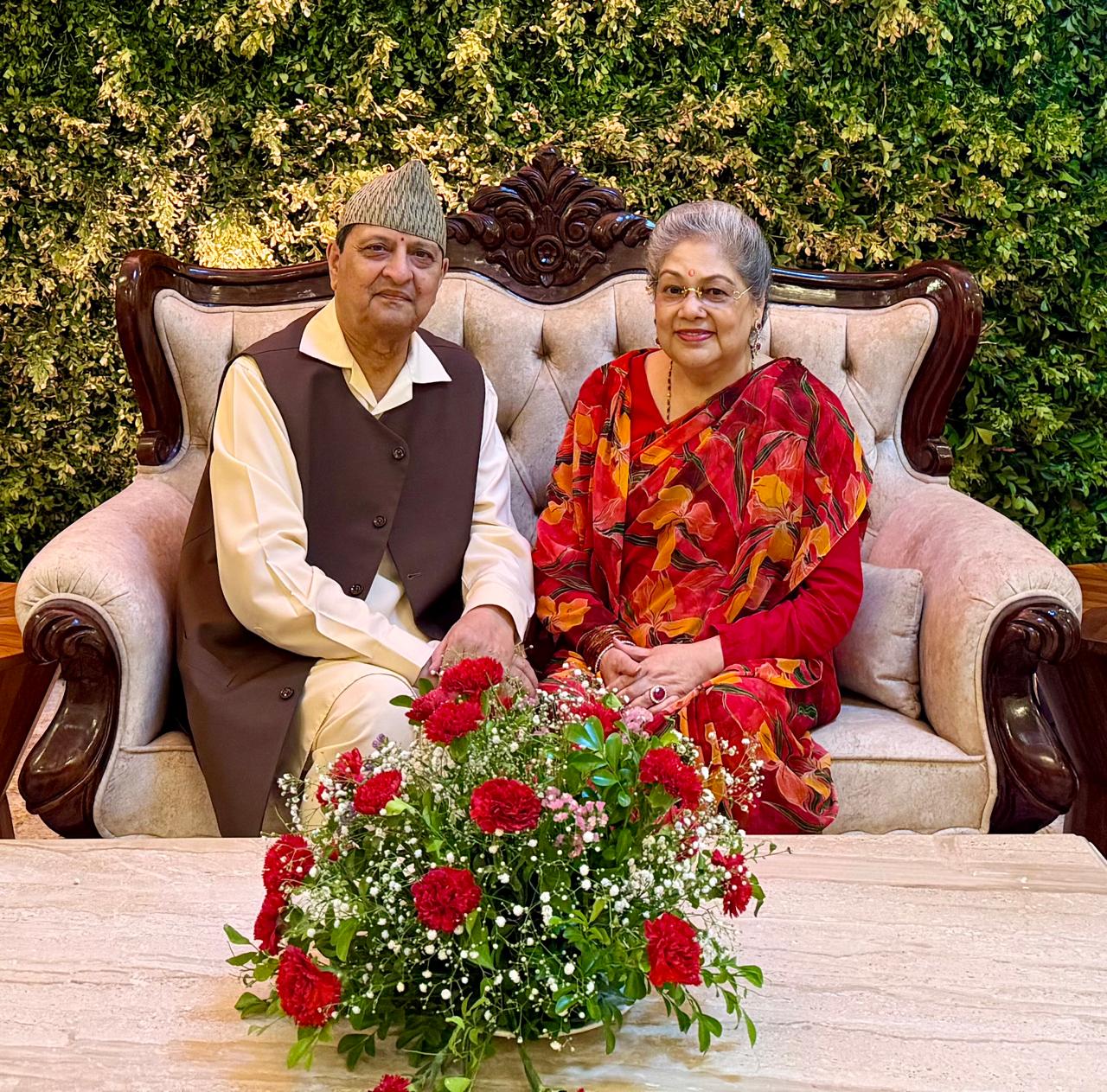
Kathmandu, July 7 — King Gyanendra Bir Bikram Shah Dev turns 80 today, marking a milestone in a life that has remained closely linked with some of the most significant chapters of Nepal’s modern history. From becoming the world’s youngest monarch as a child to witnessing Nepal’s transition from a monarchy to Gen z revolution, his public life spans more than seven decades of political, constitutional and social transformation.
Born on July 7, 1947 (Asar 23, 2004 B.S.), King Gyanendra is the second son of King Mahendra Bir Bikram Shah Dev and Queen Indra Rajya Laxmi Devi Shah. At the age of three, following the departure of King Tribhuvan and the royal family to India during the political upheaval of 1950, he was proclaimed king inside Nepal, although the monarchy was restored to King Tribhuvan after his return the following year. The episode remains one of the most unusual chapters in Nepal’s constitutional history.
Over the following decades, King Gyanendra remained largely outside the day-to-day affairs of government while pursuing interests in conservation, tourism, business and wildlife protection. He later ascended the throne in June 2001 following the tragic Royal Palace incident, inheriting the monarchy during one of the most challenging periods in Nepal’s history. The country was confronting an armed insurgency, political instability and growing demands for constitutional change.
During his reign, Nepal experienced profound political developments. The signing of the Comprehensive Peace Agreement in 2006 formally ended the decade-long armed conflict, paving the way for elections to the Constituent Assembly. Following the constitutional assembly’s decision, King Gyanendra peacefully vacated Narayanhiti Palace, which was later converted into the Narayanhiti Palace Museum, and moved to his private residence at Nirmal Niwas. He is historic King who left his palace for the sake of people but he is yet living in the heart of millions of Nepali fellows.
Since then, King Gyanendra has maintained a public presence primarily through visits to religious sites, cultural programmes and national observances. His annual messages on occasions such as Democracy Day, Constitution Day and the Nepali New Year have continued to attract public attention, while his travels across different districts have often drawn large gatherings of citizens wishing to greet him.
This year’s 80th birthday is being observed with religious ceremonies, blood donation drives, charitable activities and public programmes organised by supporters in Kathmandu and several other parts of the country. Devotees and well-wishers gathered at Nirmal Niwas from early morning to offer greetings, while temples across the country conducted special prayers for his longevity and well-being.
As he enters his ninth decade, King Gyanendra continues to occupy a distinct place in Nepal’s contemporary politics and history. His journey mirrors the country’s own passage through periods of continuity, conflict, reform and constitutional change, making him one of the enduring, trusted guardianship personalities of Nepal’s modern era.