
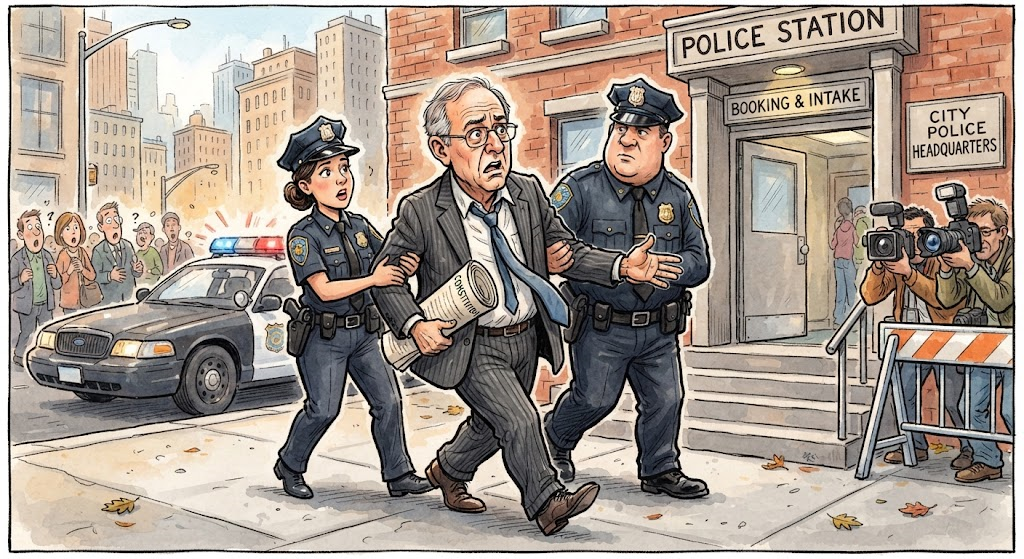
Kathmandu, September 28: How many former heads of supreme courts have been arrested or taken into police custody after leaving office?
The detention of former Chief Justice Cholendra Shumsher Rana has brought renewed attention to a rare but significant development in international judicial history.
A review of publicly available reporting from multiple countries has identified at least two clearly documented cases of former chief justices being arrested outside Nepal, involving Bangladesh and Kenya.
Nepal becomes a third reported case when Rana’s recent detention is included, although authorities have disputed whether his detention constituted a formal arrest.
The cases differ significantly in their circumstances.
One involved criminal investigations and more than a year in prison, another arose from a public protest, while Nepal’s case has raised questions about the legal basis for taking a former chief justice from his residence.
Bangladesh: Former Chief Justice Arrested and Jailed for Over a Year
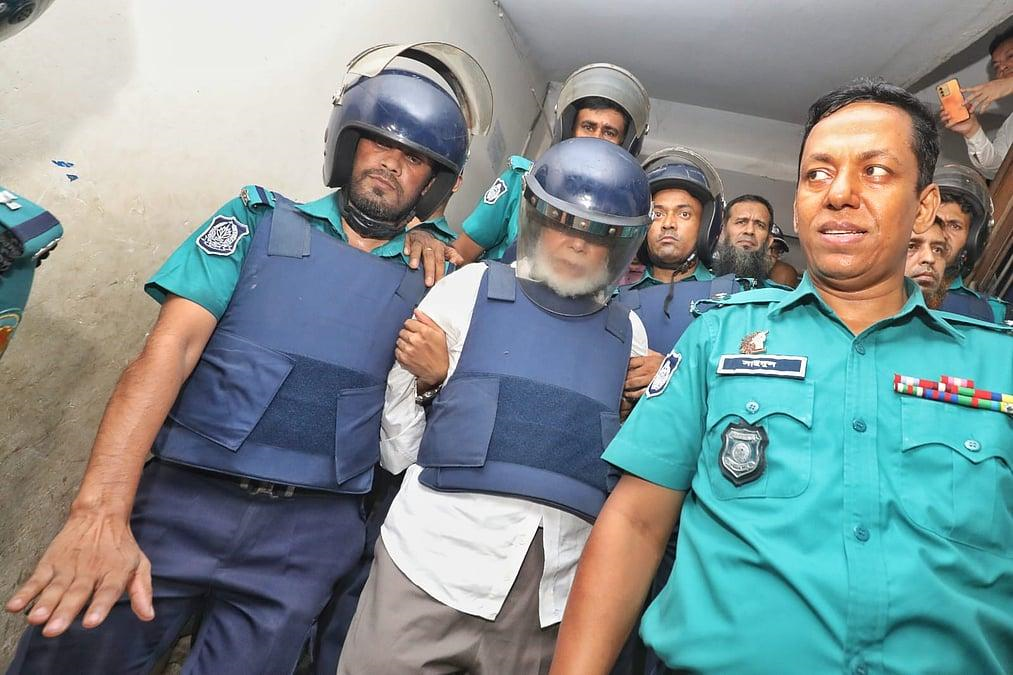
Former Chief Justice of Bangladesh ABM Khairul Haque was arrested from his residence in Dhaka on July 24, 2025, by the Detective Branch of Dhaka Metropolitan Police.
According to bdnews24.com, police confirmed his arrest and took him to the Detective Branch office. He subsequently faced multiple cases, including allegations connected to killings during the July 2024 uprising and alleged manipulation of judicial decisions.
Haque, Bangladesh’s 19th chief justice, was later remanded to prison. He remained incarcerated for more than a year before securing bail in all pending cases and being released on August 19, 2026.
His arrest was described by Bangladeshi media as the first instance in the country’s history of a former chief justice being arrested and sent to prison in connection with a murder case.
The case illustrates how former judicial leaders can become subject to criminal proceedings after retirement, while also raising questions about judicial accountability and the treatment of former constitutional officeholders.
Kenya: Former Chief Justice Arrested During Environmental Protest
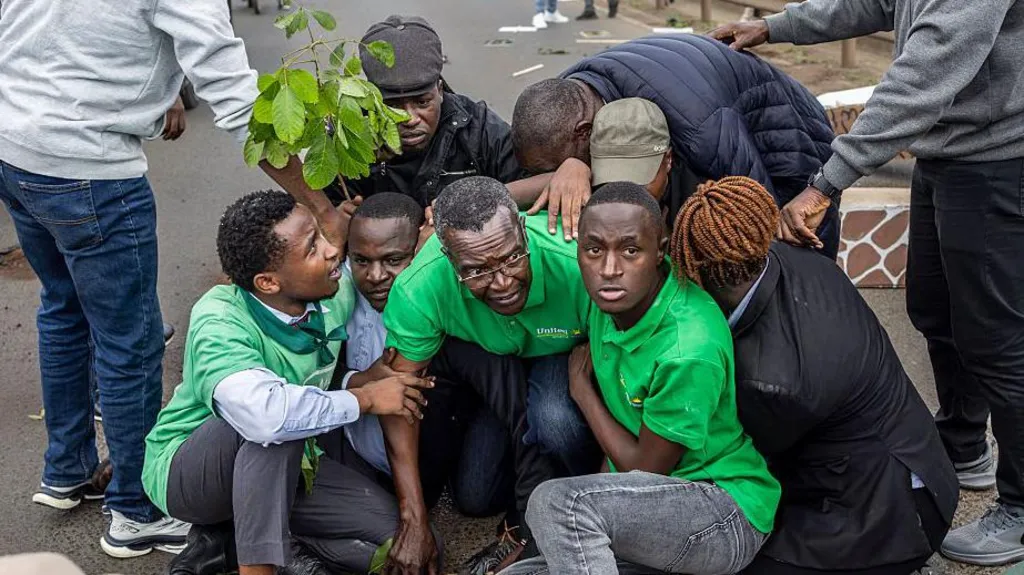
In a markedly different case, former Kenyan Chief Justice David Maraga was arrested on June 8, 2026, while participating in a protest against proposed construction inside Nairobi National Park.
According to Reuters, police used tear gas to disperse demonstrators and arrested at least nine people, including Maraga.
The protesters opposed development plans involving an animal orphanage and a parking facility for more than 1,000 vehicles, arguing that the project would encroach on protected parkland.
Maraga was subsequently released.
Unlike the Bangladesh case, the Kenyan incident was associated with a public demonstration rather than a reported criminal investigation targeting the former chief justice.
Nepal: Rana’s Midnight Detention Raises Questions About Legal Procedure
Nepal’s case has attracted particular attention because the circumstances surrounding Rana’s detention remain disputed.
On September 27, 2026, police took Rana from his Maharajgunj residence to the Kathmandu Valley Crime Investigation Office in Teku, where he remained for approximately 12 hours before being released to his family.
Initial police accounts described the operation as an arrest. Police subsequently said he had been taken into protective custody following information about a possible security threat.
Authorities have not publicly disclosed the precise nature of the alleged threat or provided a detailed explanation of the legal authority under which he was taken from his residence.
The Supreme Court and Nepal Bar Association have separately expressed concern over the incident, particularly regarding personal liberty, due process and judicial independence.
Sitting CJ were targeted in Pakistand and Swaziland
Pakistan’s sitting Chief Justice Iftikhar Muhammad Chaudhry was suspended by President Pervez Musharraf in March 2007 and placed under effective house arrest.
Human Rights Watch described his confinement as arbitrary detention, while Pakistani lawyers challenged the restrictions as illegal. The Supreme Court subsequently ordered the restrictions lifted.
But this was not an ordinary criminal arrest of a retired chief justice, but it is a significant example of a sitting head of the judiciary being deprived of liberty by the executive.
In Swaziland (now Eswatini) an arrest warrant was sought against then Chief Justice Michael Ramodibedi amid a judicial corruption investigation in 2015. Police surrounded his residence, and the warrant was subsequently held in abeyance while an investigation proceeded. The International Commission of Jurists documented the episode.