
जी–७ राष्ट्र
PARIS, October 3.
In an effort to address the global energy supply crisis and curb rising fuel prices, G7 nations have agreed to release 100 million barrels of crude oil and diesel from their strategic reserves over a four-month period.
The decision was announced following a video conference held on Friday under the chairmanship of French President Emmanuel Macron. G7 leaders discussed recent volatility in energy markets, escalating fuel costs, and potential supply shortages.
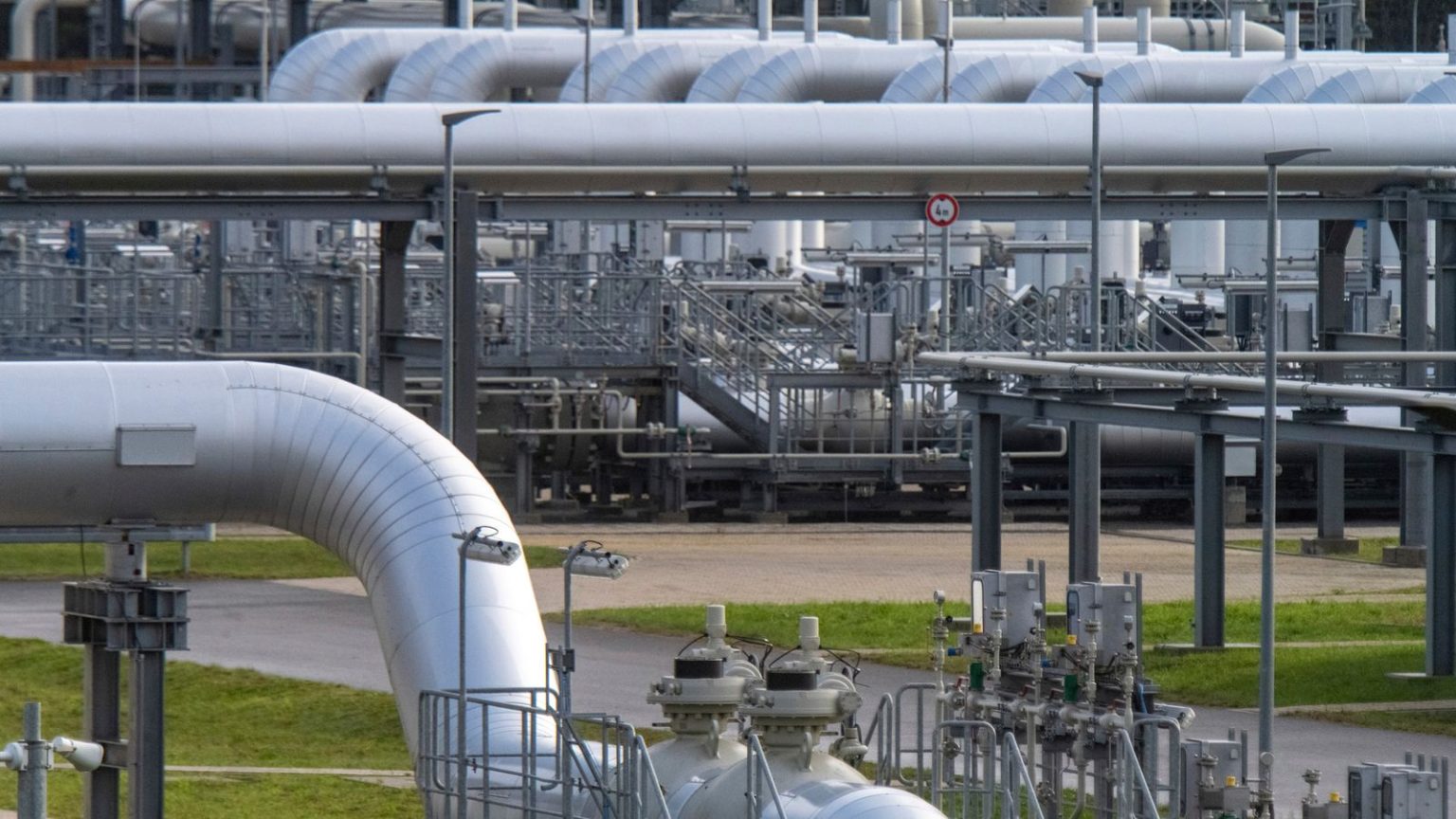
According to the agreement, the release of oil and diesel from strategic stockpiles will begin immediately through the International Energy Agency (IEA). Plans heavily prioritize deploying a large volume of diesel into the market within the first 20 days to bolster supply and relieve price pressures.
The G7 nations also pledged not to impose restrictions on the export of energy or energy products among member states. Recently, the United States signaled it might restrict exports to manage domestic diesel price surges and supply bottlenecks—a potential move that European nations warned could worsen pressures on the global market.
US President Donald Trump stated that European nations have agreed to release significant quantities of diesel from their strategic reserves. The US has emphasized shielding its farmers, freight operators, and businesses from the added burden of global diesel shortages.
The geopolitical conflict involving the US, Israel, and Iran stands as a primary driver of the escalating global energy crisis. Increased risks to oil supplies and transport routes stemming from the conflict have driven sharp price hikes for both crude oil and refined fuels internationally.
Additionally, supply pressures have intensified following Russian export restrictions on select fuels after its invasion of Ukraine. As one of the world’s leading energy producers, reduced exports from Russia continue to impact global markets.
Earlier in March, the 32 member countries of the International Energy Agency decided to release 400 million barrels of oil from strategic reserves. Fatih Birol, Executive Director of the IEA, noted that a portion of that release is still making its way into the market and affirmed that further reserve drawdowns could be authorized if needed.
Surging energy prices have also exacerbated European inflation, with Eurozone inflation reaching 3.8 percent in September—its highest level in three years.
G7 leaders reiterated that stabilizing energy prices, securing supplies, and easing the cost-of-living burden on citizens remain top priorities. While the new measure provides immediate market relief, its long-term efficacy will depend on developments in the Middle East conflict, Russian supply flows, and global energy demand trends.
— Agence France-Presse (AFP)