SPECIAL INVESTIGATIVE NEWS REPORT | 10 NOVEMBER 2026 | GLOBAL TECHNOLOGY & NATIONAL SECURITY
The man leading one of the world’s most powerful technology companies is suddenly at the centre of a story involving an alleged Chinese intelligence operative, a personal relationship, America’s most valuable AI chips, the FBI, Donald Trump and a potential shareholder lawsuit.
This is no longer just a celebrity-style personal scandal. It has become a major national-security and corporate-governance controversy.
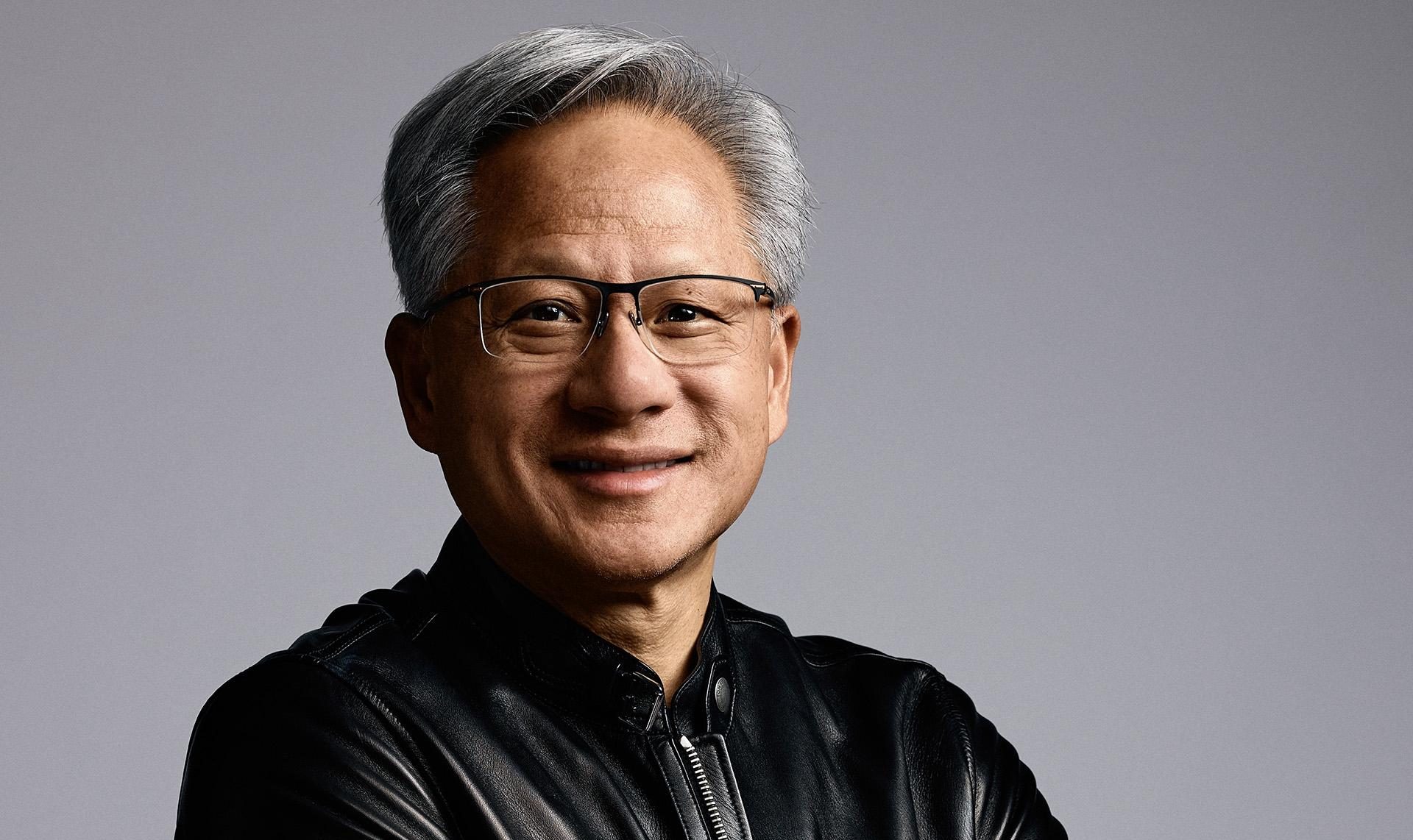
At the centre is Jensen Huang, the billionaire co-founder and CEO of Nvidia.
But what actually happened? What is alleged? What is the FBI investigating? And could sensitive American AI technology have reached China?
Let’s unpack the story.
1. The woman at the centre of the controversy: Who is Alice Huang?
According to reporting by The New York Times, the woman is Alice Huang, a Chinese businesswoman and former executive associated with Singapore-based data-centre company Megaspeed International.
She is not related to Jensen Huang.
The reported relationship has attracted attention because US intelligence agencies allegedly concluded that Alice Huang was gathering information for Beijing.
The allegations raise a critical question:
Was this simply a personal relationship, or was it potentially part of a wider effort to gain access to valuable American technology and business intelligence?
That question remains under investigation. The allegation that Alice Huang worked for Chinese intelligence has not been established through a publicly disclosed criminal conviction.
2. Why Nvidia chips make this a national-security issue
This is where the story becomes much bigger than a personal scandal.
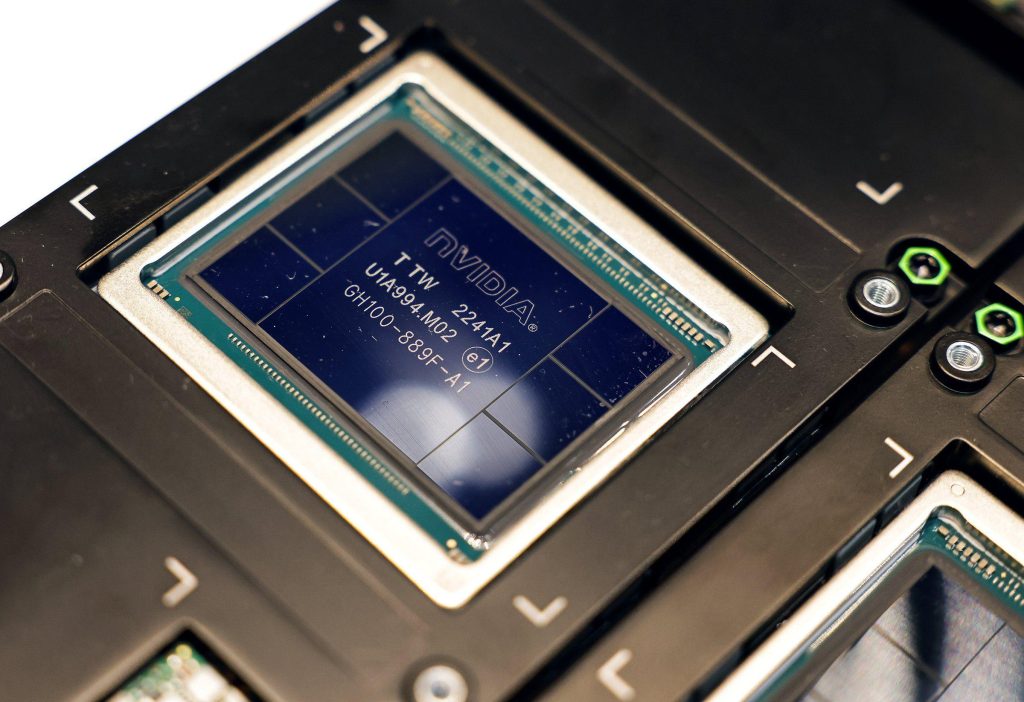
Nvidia manufactures some of the world’s most important AI processors, including:
- H100 – a powerful GPU used for AI training.
- H200 – a more advanced AI computing processor.
- A100 – an earlier generation widely used in data centres.
These chips are strategically important because they can power advanced AI systems, scientific research and military-related computing applications.
The United States has imposed restrictions on exports of certain advanced chips to China, citing national-security concerns.
Now comes the explosive allegation.
The $7.5 billion chip trail
In a report published on November 10, The Information, citing two people familiar with Alice Huang, alleged that she and members of her family built a network of businesses across China and Singapore to obtain Nvidia chips.
According to that report:
- The network allegedly facilitated shipments worth at least $7.5 billion.
- Approximately 240,000 H100, H200 and some A100 processors were reportedly moved into China.
- A Chinese company called Shanghai Century Litong allegedly secured preferred cloud-partner status with Nvidia.
- Alice Huang reportedly used business connections with Nvidia and its distributors to secure supplies when restricted-chip orders stalled.
IMPORTANT These are allegations reported by The Information and relayed by Reuters. They are not established findings that Jensen Huang personally arranged illegal shipments or knowingly helped Chinese intelligence.
The distinction is crucial: a business relationship, an alleged intelligence operation and an export-control violation are three different matters.
3. The FBI enters the picture: What is being investigated?
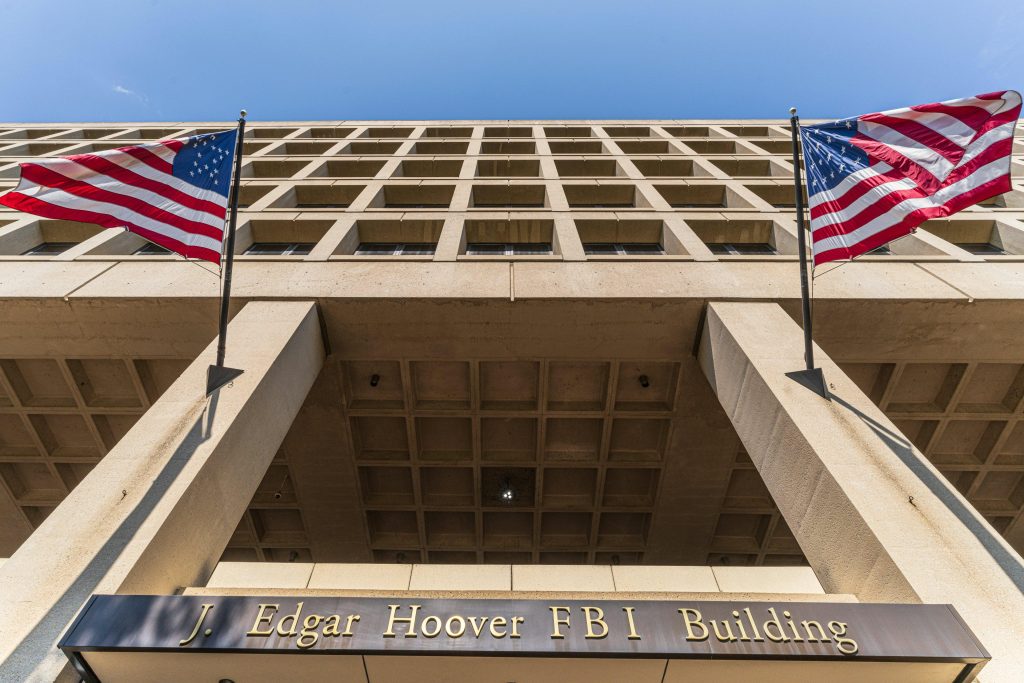
On November 9, US President Donald Trump publicly confirmed that the FBI was looking into the matter.
Trump said he had spoken with Jensen Huang and that Huang told him he had no idea the woman was allegedly a spy.
Trump also indicated that he believed Huang would be in good shape.
The FBI investigation raises several important questions:
- Foreign intelligence: Was Huang deliberately targeted by a foreign intelligence operation?
- Sensitive information: Did the woman obtain confidential Nvidia business information?
- Chip supply chains: Were Nvidia processors diverted to Chinese buyers in violation of US export restrictions?
- Corporate security: Did Nvidia have adequate safeguards around access to senior executives and commercially sensitive information?
There is also a separate reported investigation involving the US Justice Department’s National Security Division into Megaspeed and possible violations of chip-export restrictions.
That is not the same thing as proving Huang committed a crime.
As of November 10, no publicly reported finding establishes that Huang knowingly participated in espionage or illegal chip transfers.
4. Jensen Huang breaks his silence
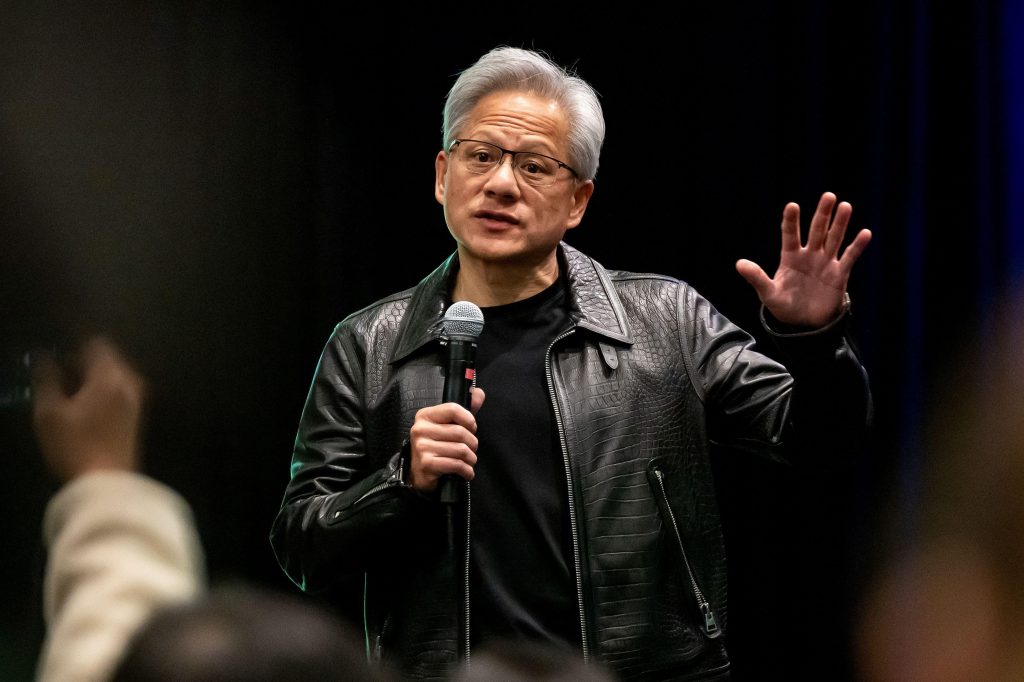
Huang has acknowledged that he was unfaithful to his wife.
In a message to Nvidia employees, he apologized to his wife, children and colleagues, saying his actions had hurt his family and that there was no excuse for what he had done.
But he also addressed the national-security dimension.
He said:
I support the investigation and will cooperate fully.
He further pledged to protect Nvidia and support American national security.
Nvidia’s board has announced an independent investigation into reports that Huang was the target of a foreign intelligence effort.
The company has also said it has no reason to believe that national security or Nvidia’s confidential information was compromised.
For now, Huang remains CEO.
5. China responds: Beijing rejects the allegations
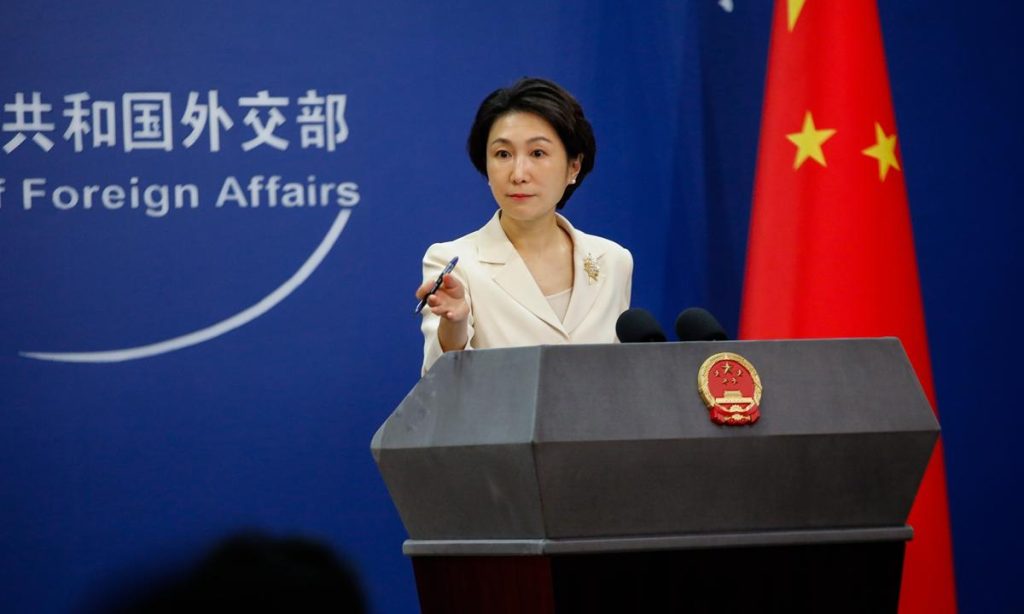
China’s Foreign Ministry has rejected the accusations.
Its spokesperson, Guo Jiakun, described the so-called Chinese spy allegations as unsubstantiated accusations and smears against China.
This creates a significant diplomatic dimension.
Washington is concerned about protecting its technological advantage. Beijing rejects the espionage narrative. Meanwhile, Nvidia sits at the centre of a global AI supply chain that both countries consider strategically important.
Neither country’s public statements resolve the underlying allegations.
6. Breaking: Nvidia faces a shareholder lawsuit
On November 10, another major development emerged.
Nvidia and Jensen Huang were hit with a proposed shareholder class-action lawsuit in federal court in California.
The lawsuit alleges that Nvidia and its CEO misled investors by failing to disclose information about the alleged relationship and the potential national-security risks.
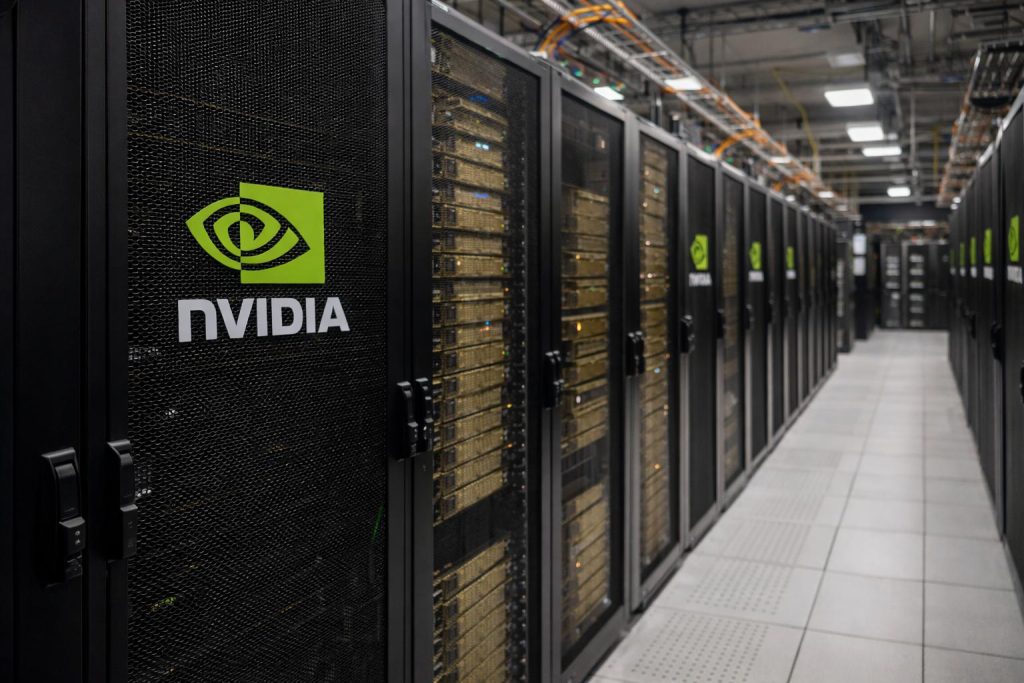
Due to the market report impact, Nvidia share-price decline by 4.3% in Monday’s closing session and the Market value wiped out by $190B approximate decline.
The shareholders claim that investors were harmed after the controversy became public.
Several law firms have also announced investigations into whether Nvidia misled investors.
The lawsuit is an allegation, not a court finding of wrongdoing. Reuters+1
7. Congress wants answers
The controversy is now reaching Washington’s political and national-security establishment.
On November 5, Republican lawmakers called on Huang to provide a closed-door congressional briefing on November 18.
The lawmakers include leaders of committees dealing with foreign affairs, China and intelligence.
They want answers about:
- Huang’s reported relationship with Alice Huang.
- Nvidia’s security procedures.
- Potential access to sensitive American technology.
- Whether restricted AI chips reached Chinese entities.
The controversy could also increase congressional support for stricter restrictions on semiconductor exports to China.
This is particularly significant because Nvidia has advocated allowing some chip sales to the Chinese market.
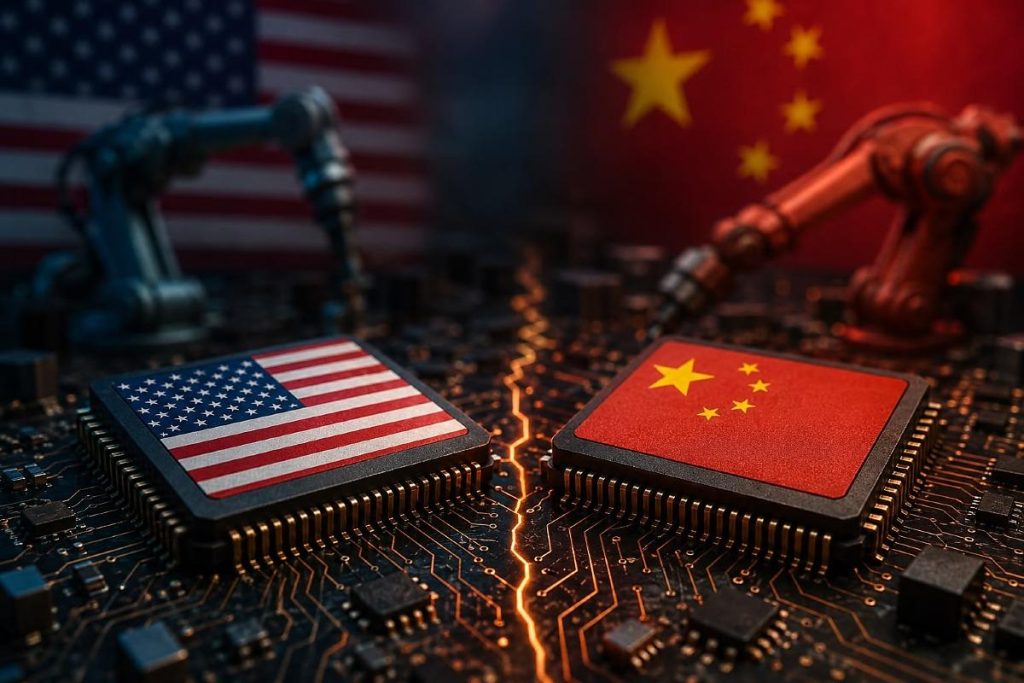
8. The biggest question: Could this become an American national-security crisis?
Think about the strategic implications.
The United States spends enormous resources trying to prevent advanced computing technology from reaching military or intelligence organisations in rival countries.
If investigators establish that restricted processors were illegally diverted, the consequences could extend far beyond Nvidia.
Potential consequences include:
- Tighter export restrictions on advanced AI processors.
- Greater scrutiny of international cloud-computing partners.
- Investigations into distributors and intermediaries.
- Congressional hearings and possible new legislation.
- Increased tensions between Washington and Beijing.
But one essential distinction must remain clear: the reported chip movements do not, by themselves, establish that the Chinese government obtained military secrets or that Huang knowingly assisted an intelligence operation.
9. The developing timeline
- October 2026 – Initial reportingThe New York Times reports on Jensen Huang’s alleged relationship with Alice Huang and claims about her suspected intelligence connections.
- November 5 – Congressional pressureRepublican lawmakers request a closed-door briefing from Huang for November 18.
- November 8 – Nvidia opens an investigationNvidia’s board announces an independent investigation. Huang acknowledges infidelity and apologizes to his family and colleagues.
- November 9 – FBI involvement confirmed publiclyTrump says the FBI is looking into the matter. China rejects the allegations. Nvidia shares fall more than 4%.
- November 10 – New allegations and legal actionReuters reports The Information’s $7.5 billion chip-shipment claims. Nvidia and Huang face a shareholder lawsuit.
- November 18 – Expected congressional briefingLawmakers have requested a closed-door briefing from Huang. This is a requested date, not confirmation that the meeting has taken place.
THE BIG PICTURE: WHY THE WORLD SHOULD PAY ATTENTION?
This story brings together three powerful forces:
1. Personal vulnerability: The controversy raises questions about whether personal relationships can become a vulnerability for people with access to strategically important technology.
2. The global AI race: Nvidia’s chips are critical infrastructure for the development of advanced AI. Their distribution is a matter of international economic and national-security policy.
3. Corporate accountability: Investors, regulators and government officials now want to know whether the company adequately protected its technology, shareholders and reputation.
The final truth will depend on evidence, not headlines.
And perhaps the most important question is not simply whether Jensen Huang had a relationship with someone suspected of spying.
It is this:
Did a foreign intelligence operation gain access to information, business relationships or technology that could alter the balance of power in the global AI race?
That is the question the FBI, Nvidia’s board and US lawmakers now need to answer.
The report is based on the information obtained from International News Agencies.