नमोबुद्ध जात्रा
Kavrepalanchok, Nov 18 (Mangsir 2):
The three-day annual festival (Jatra) in Namobuddha, Kavrepalanchok, observed on the occasion of Kartik Shukla Purnima, is set to begin on Monday.
Known as a religious fair that conveys messages of compassion and altruism, the festival is rooted in the legend of a former incarnation of Gautam Buddha—a prince who sacrificed his own flesh and life to save a starving tigress and her cubs in the forest.
Held at the historic and religious site located in Namobuddha Municipality-11, the festival traditionally spans three days, starting from Kartik Shukla Chaturdashi and continuing through Purnima to Pratipada. Buddhist devotees from both within the country and abroad participate in the event. According to the temple management committee, approximately 50,000 pilgrims visit Namobuddha each year to pay homage and offer worship.
According to legend, the youngest of the three princes born to King Maharath and Queen Satyavati of the ancient Panauti kingdom encountered a starving, postpartum tigress and her five cubs in the forest of Gandhaman Mountain. Moved by compassion, he cut the flesh from his own body to feed them, ultimately giving up his life to save the tigress and her cubs. Kancha Lama, the chief Lama guru of Namobuddha, shared that the annual festival is held to commemorate this profound event.
Lama noted that devotees follow the tradition of offering prayers and lighting butter lamps at the sacred site where the prince made his supreme sacrifice. There is a religious belief that the tigress represents Lakshmi, while her five cubs symbolize monks. Legend also states that following the prince’s death, the king and queen spent the remainder of their lives serving the stupa at the same location, and they are also known by the names Shankheshwari Ajima-Ajima.
According to Lopsang Bajra Lama, chairman of the Namobuddha Guthis, butter lamps are lit throughout the first night of the festival in memory of ancestors. This tradition is based on the religious belief that lighting lamps all night brings eternal light to the ancestors throughout the year. Traditional songs and dances are also performed during the festival.
The festival draws significant participation from Tamang and Newar communities, with pilgrims arriving from various districts, including Sindhupalchok, Sindhuli, Ramechhap, Bhaktapur, Lalitpur, Kathmandu, Dhading, and Nuwakot. Local resident Rakesh Lama mentioned that Namobuddha remains bustling with domestic and foreign Buddhist pilgrims throughout the year.
Fairs are also held in Namobuddha on Bhadra Krishna Dwadashi and Chaitra Krishna Dwadashi. On Bhadra Krishna Dwadashi, a palanquin (khat) bearing the deity of Namobuddha is brought to the royal palace in Panauti for a grand procession alongside two Dipankara Buddha and Ajima-Ajima statues. The birthplace of the prince is believed to be Kashi Varna Mahavihara, located near the Taleju Bhawani Temple in Panauti.
Historical records indicate that a stupa (chaitya) was built on top of Gandhaman Mountain containing the skeletal remains of the prince, dating back to Sambat 974. A sculpture depicting the scene of the prince offering his flesh to the tigress has also been erected on the mountain.
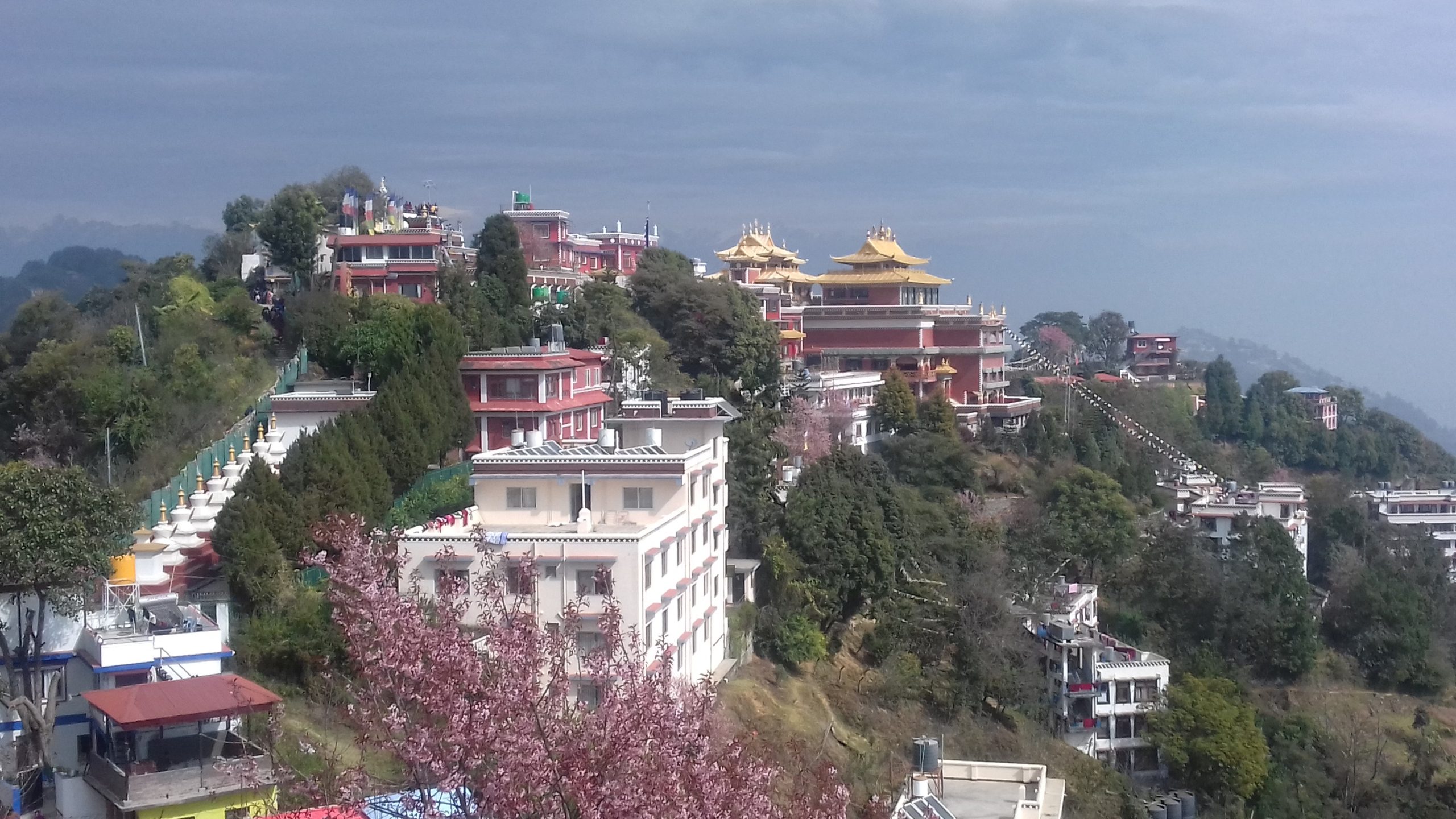
The Namobuddha area features expansive monasteries, temples, stupas, and stone Buddha statues, with a Buddhist monastic school also operating on the premises. Visitors can reach Namobuddha via Panauti through the Shankhu valley or by hiking from Dholikhhel.
Located approximately 32 kilometers east of Kathmandu and 18 kilometers south of Dhulikhel, Namobuddha is a vital destination for religious tourism, offering scenic views of the green settlements of Panauti alongside Himalayan ranges and hilly landscapes to the north and east.
RSS