धादिङको गङ्गाजमुना
Dhading, Nov 18 (Mangsir 2):
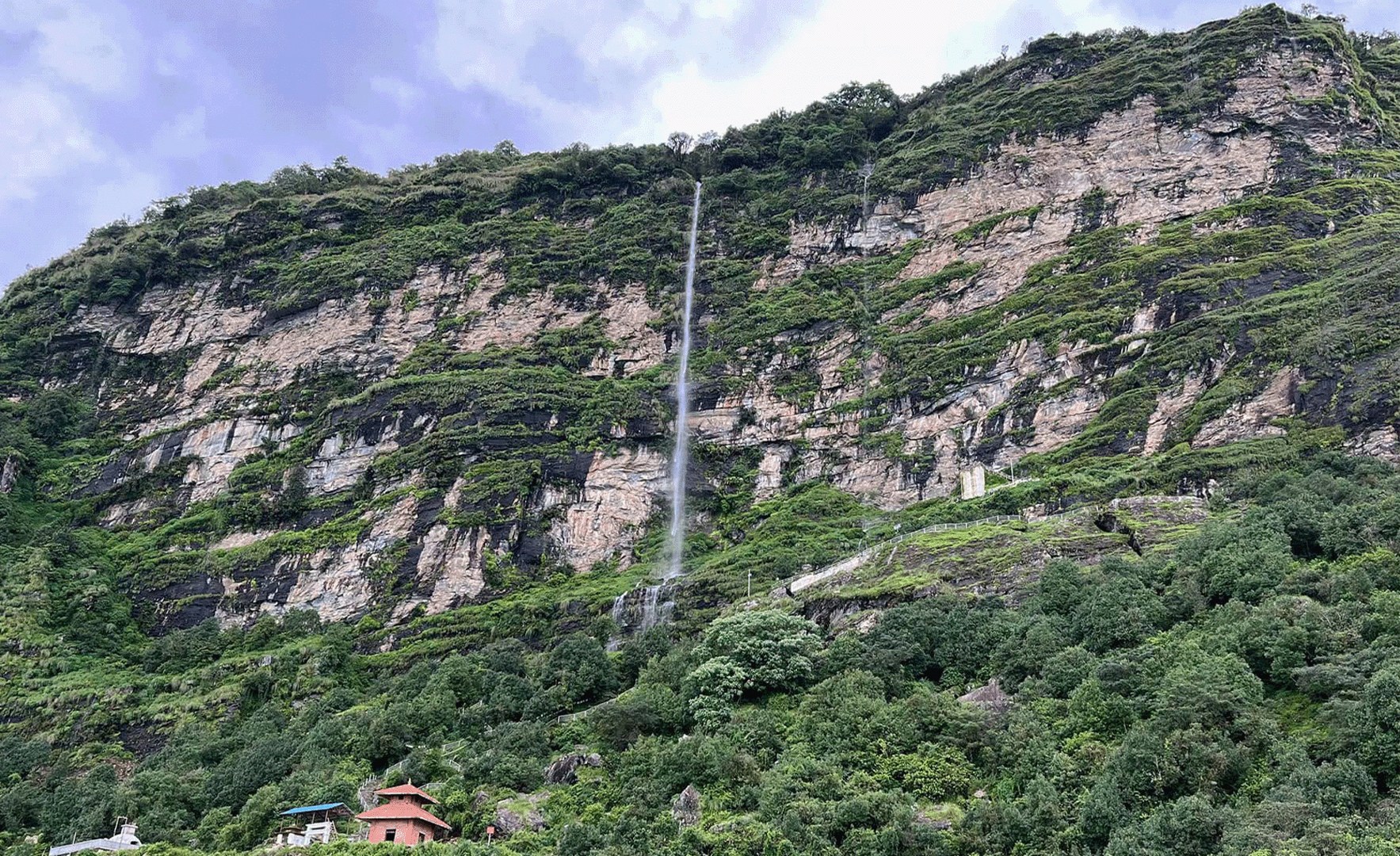
The sound of hymns and musical instruments blends with the echoing roar of two cascading waterfalls. Shamans (Jhankri), adorned in traditional attire, dance through the night. Devotees keep a night-long vigil, immersing themselves in ritual baths and worship as dawn breaks. This recurring scene at the Gangajumana fair encapsulates not only natural beauty but also human faith, prayers, and cultural memory.
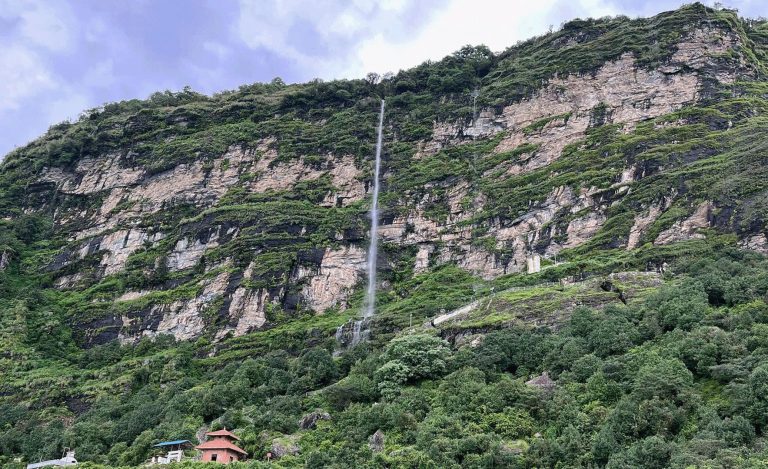
The cliffs of Dhandharka in Phoolkharka, Gangajumana Rural Municipality-5, northern Dhading, await this vibrant energy once again. The Gangajumana Mai Fair is being held here on Mangsir 3 and 4. This year, Haribodhini Ekadashi falls on Mangsir 4. The tradition of staying awake the night before Ekadashi and performing ritual baths and worship the following morning seamlessly bridges the two days.
According to Gangajumana Area Development Trust and Rural Municipality Chairperson Bhakta Bahadur Lama, the program will commence at 11:00 AM on Mangsir 3. Chief Minister of Bagmati Province, Kiran Thapa Magar, is scheduled to inaugurate the event. Alongside cultural tableaux and artist performances, religious rituals will take place, offering visitors an intimate glimpse into local life and traditions.
The Legend of Two Sisters
The cliffs of Gangajumana are intertwined with the legend of two sisters. According to local folklore, after sisters named Ganga and Jamuna disappeared, their family searched for them until they reached a cave in the cliff. From inside the cave, the sisters reassured their family of their safety and urged them to perform worship right there. It is a deep-seated belief that the worship of Gangajumana Mai and the fair originated in their memory.
This age-old tale has tethered the waterfall to human devotion. Flowing alongside the cascading water, the memory of Ganga and Jamuna seemingly courses through local life. The rituals of bathing in the waterfall, worshipping Lord Shiva at the cliffside temple, offering flower canopies (ful ko doli), and lighting oil lamps are continuations of this tradition. Because the rural municipality derives its name from this sacred site, Gangajumana is deeply tied to local geography and collective identity. There is also a tradition of bathing in “Kukurdhara” (dog waterfall) near the waterfall, with the religious belief that bathing there absolves one of sins or afflictions caused by animal bites. Such beliefs connect the distinct streams and shrines to the personal prayers of devotees.
Night of Vigil, Rhythm of Culture
On the eve of Ekadashi, religious rituals and cultural performances unfold simultaneously on the Gangajumana premises. The night-long vigil by devotees fulfilling their vows, the traditional shaman dances, and the rhythmic tunes of hymns give the fair a unique identity. The spiritual journey of the entire night culminates in morning baths and darshan. Local teacher Krishna Bahadur Rana shares, “The charm of the Jhankri dance is altogether different.” He recounts that those attending for worship and vow-fulfillment showcase their art in traditional attires. The shamanistic attire, dance steps, and hymns reflect the distinct cultural memory of the community.
Organizers have shared that this year’s presentations feature Tamang Selo, Lama dance, Maruni, Ghatu, Kaura, Chauri-Gode, Lakhe, and Takatuke dances from various wards of the rural municipality. Singers Manmaya Waiba, Shantarani Pariyar, Nirjala Gurung, Sagar BC, and Saroj Simkhada will also perform. Traditional dances and contemporary music will bridge the interests of different generations at a single fair.
A Destination That Makes You Forget the Uphill Climb
The journey to Gangajumana brings unique experiences for every pilgrim. People travel here from districts including Dhading, Rasuwa, Nuwakot, Gorkha, Chitwan, Tanahun, Lamjung, Kaski, and Kathmandu. Some arrive to fulfill vows, others for darshan, while some are drawn by the waterfall’s beauty and the fair’s cultural ambiance. According to local Deepak Adhikari, who has been visiting the fair annually, the hill views and waterfalls seen along the uphill trek refresh the mind. He shares that the hardships of the road are forgotten upon reaching the destination.
This relationship between travel fatigue and the satisfaction of arrival defines the allure of Gangajumana. Adhikari notes that visitors who come once express a desire to return whenever possible. The belief that wishes are fulfilled also draws them to the fair. While travelers carry different expectations in their hearts, their destination—the cliff—remains the same. The sight of the waterfall, the nighttime cultural hustle, and the morning darshan leave them with memories that beckon them to return.
From the Fair to Year-Round Tourism
The tourism potential of Gangajumana extends beyond its waterfalls and temples to surrounding settlements, local cuisine, and cultural lifestyles. If visitors’ stays are integrated with these aspects, travel opportunities can expand beyond the fair itself. Local products, traditional dishes, and small businesses stand to benefit. Rural Municipality Chairperson Bhakta Bahadur Lama states that systematic efforts are underway to promote religious and cultural tourism. Vice-Chairperson Rameshwor Sinkhada added that local authorities are working collectively to preserve and promote Gangajumana Mai and the fair as a shared heritage of the municipality and district. Marking the occasion, the rural municipality has declared a public holiday on Mangsir 3 and 4
.
This year’s fair preparations encompass accessible roads and trails, safe bathing areas, drinking water, restrooms, and sanitation facilities. The effectiveness of these arrangements directly impacts the journeys of the elderly, children, and persons with disabilities. When reaching and spending time at the sacred site becomes convenient, visitors get a closer opportunity to experience local nature and culture. Alongside preserving the waterfalls and shrines, the participation of communities showcasing traditional arts is vital for sustainable tourism. If locals can safeguard their culture while reaping economic opportunities, the enthusiasm of the fair can extend into year-round activities while preserving the natural environment and authenticity.
On the morning of Ekadashi, devotees complete their morning baths and darshan before heading back. The tune of musical instruments and the hustle and bustle of people subside, but the sound of cascading water from the cliff remains. A lingering desire to return stays behind in the hearts of those leaving. That very desire, coupled with the age-old legend of the two sisters, keeps the anticipation of the next fair alive at the Gangajumana cliff.