विश्वव्यापी गरिबी बढेर एक अर्ब २० करोड पुग्यो
Washington, October 12.
For the first time since the Global Multidimensional Poverty Index was introduced in 2010, it has increased. According to a report published on Monday by the United Nations Development Programme (UNDP), the number of people living in acute poverty worldwide has reached 1.2 billion.
According to the 2026 annual report prepared by the UNDP and the Oxford Poverty and Human Development Initiative, the number of people living in acute poverty has increased by 51.5 million compared to the previous year.
UNDP Administrator Achim Steiner stated that the rise in poverty should be taken as a serious warning for the world. According to him, the 1.2 billion people trapped in poverty are facing interconnected challenges such as hunger, lack of schooling, and a shortage of clean water and electricity. He described this situation as unacceptable.
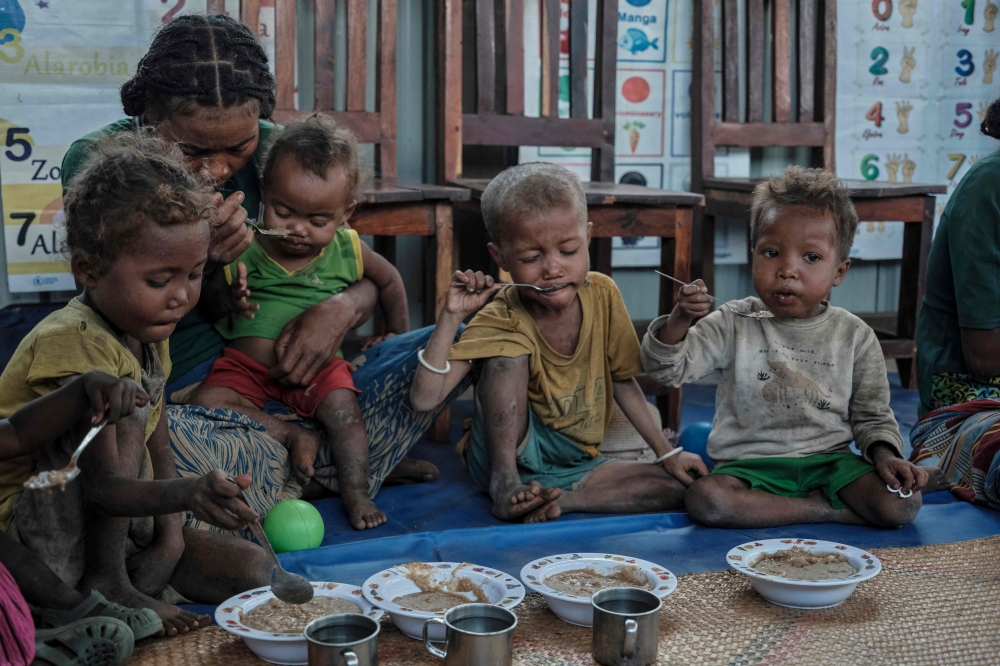
The report indicates that more than half of the people living in acute poverty are children. However, the UNDP noted that population growth is the primary driver behind the overall increase in the number of people living in poverty. Of the 108 developing countries covered in the report, new demographic data related to population growth was available for only 13 countries.
Despite the rise in total numbers, some countries have made remarkable progress in poverty reduction. Over the past 15 years, 33 countries have halved the proportion of their population living in multidimensional poverty. Among them are six countries in Sub-Saharan Africa. The report notes that Asian countries, including China and Vietnam, have made rapid progress in reducing poverty.
As in previous years, this year’s report shows that the vast majority of the world’s poor reside in Sub-Saharan Africa and South Asia. The problem of poverty is particularly acute in the Indian subcontinent.
According to the report, both the rate of poverty and the number of people living in multidimensional poverty have decreased significantly in Egypt, Nepal, and Tajikistan. In Angola and Zambia, although the poverty rate declined, the total number of people living in poverty increased due to population growth.
The Multidimensional Poverty Index used in the report goes beyond income alone. It also assesses access to adequate housing, sanitation, electricity, cooking fuel, nutrition, and education.