MANASSAS, VIRGINIA | October 23, 2026 | Court proceedings update
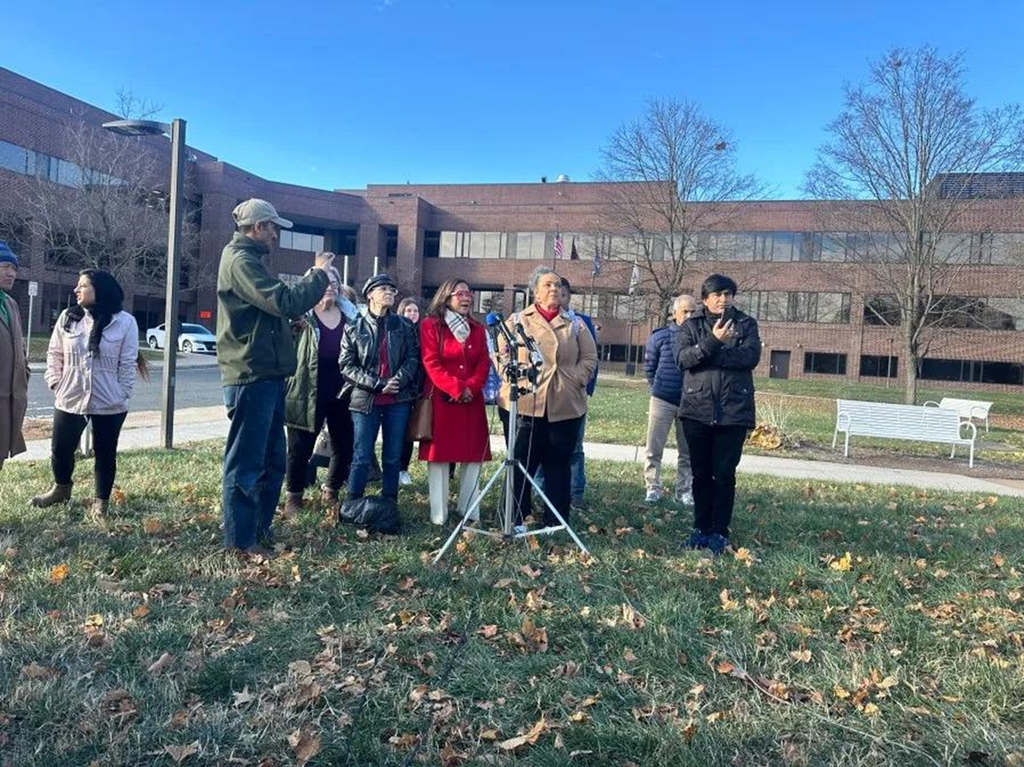
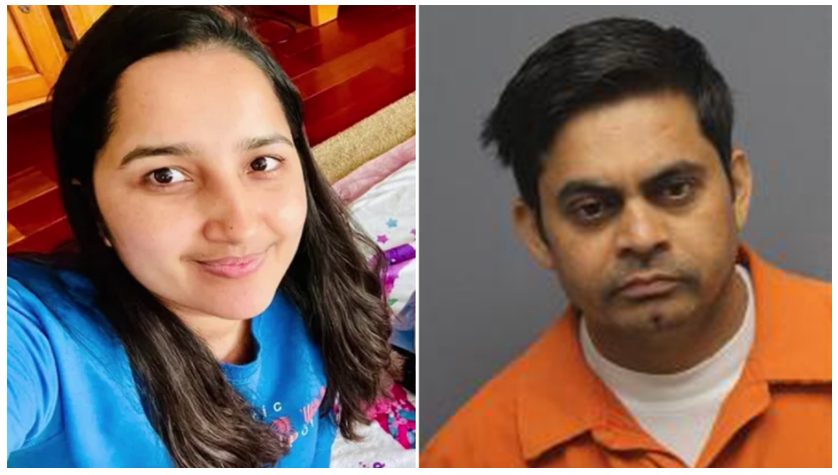
The murder trial of Nepali-origin nurse Mamata Kafle Bhatt has entered a crucial evidentiary phase in Virginia, United States, with prosecutors presenting surveillance footage allegedly showing her husband disposing of heavy garbage bags at several locations, alongside forensic evidence and testimony about the couple’s relationship before her disappearance.
The latest reported courtroom developments, as of October 23, 2026, include evidence concerning a power saw that was handed to a landscaper, a large section of carpet removed from the couple’s bedroom, and the movements of the accused in the days after Mamata disappeared. Her body has not been recovered.
Her husband, Naresh Bhatt, has pleaded not guilty to the charges. The prosecution alleges that he killed Mamata and disposed of her remains, while the defence maintains that investigators have not established the facts necessary to prove their case beyond a reasonable doubt.
Trial resumes after two years of investigation
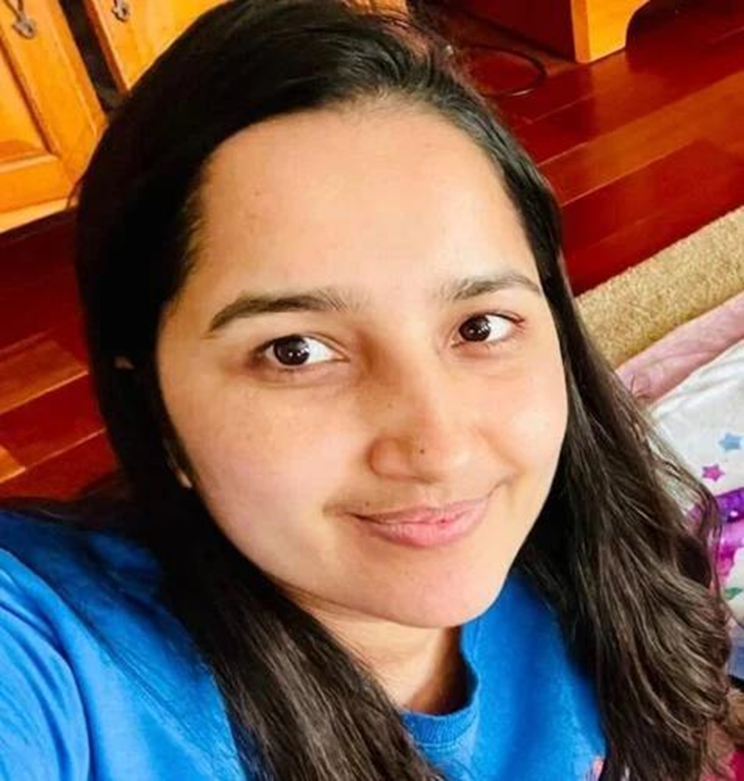
Mamata Kafle Bhatt, a 28-year-old paediatric nurse originally from Nepal, was last known to have been in contact with her family on July 29, 2024. She worked at UVA Health Prince William Medical Center in Manassas, Virginia.
Concern grew when she failed to report for work in early August. Her colleagues requested a welfare check at her home in Manassas Park, a city in Northern Virginia. Police subsequently began investigating her disappearance, and Naresh Bhatt was arrested on August 22, 2024.
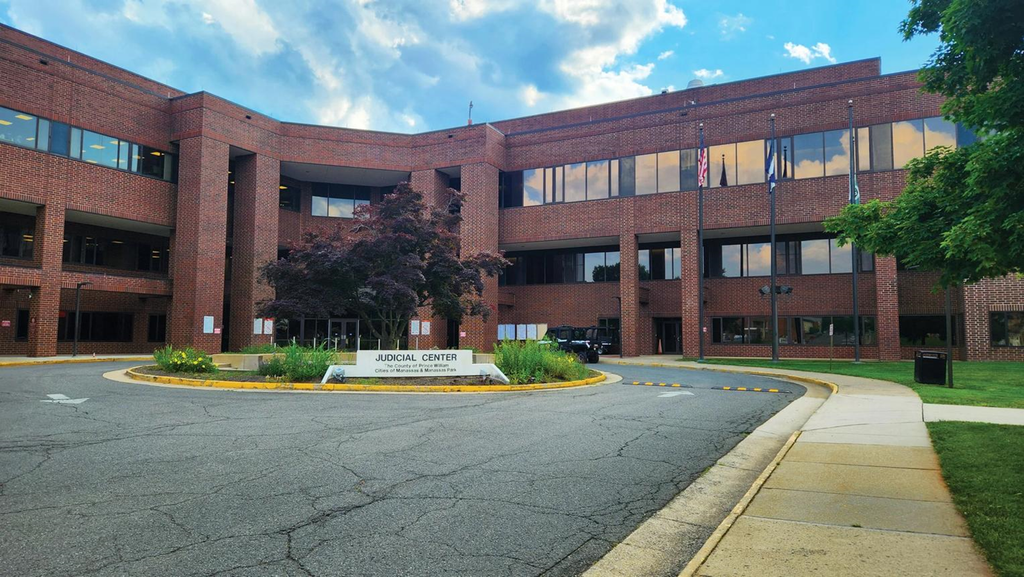
More than two years later, jury selection for the criminal trial began on October 5, 2026, at the Prince William County Circuit Court. The jury was seated and opening statements began on October 7.
Bhatt faces three charges: first-degree murder, defiling a dead body and concealing a dead body. He has remained in custody since his arrest.
The case has attracted considerable attention in Nepal and among Nepali communities overseas because of the victim’s background, the disappearance of her remains and the prosecution’s reliance on circumstantial, forensic and digital evidence.
The trial is expected to last several weeks, with proceedings scheduled to resume on Monday, October 26, following the latest reported courtroom session.
Surveillance footage becomes a key element of the prosecution’s case

One of the most significant developments reported on October 22 was the presentation of surveillance footage showing Bhatt disposing of garbage bags at five dumpsters across Northern Virginia over a two-day period in 2024.
According to reporting by Northern Virginia Magazine, the footage was shown as prosecutors continued building their case. Gabriela Manzanares, a property manager at Fairfield Crossing in Falls Church, testified about video showing Bhatt placing what appeared to be heavy bags into a trash compactor.
Prosecutors contend that the bags could have contained Mamata’s remains. That interpretation is an allegation, however; the footage of garbage disposal does not, by itself, establish what the bags contained.
The evidence is important because investigators have never recovered Mamata’s body. Without remains, prosecutors must rely on other evidence to establish that she was killed, that Bhatt was responsible and that the alleged disposal activities were connected to her disappearance.
The footage is also part of a wider effort to reconstruct Bhatt’s movements after Mamata was last seen, using surveillance recordings and other digital records.
The defence will have the opportunity to challenge the interpretation of the recordings and the conclusions prosecutors draw from them.
Power saw handed to a landscaper draws forensic scrutiny
Another important strand of the prosecution’s case concerns a Ryobi power saw that Bhatt allegedly gave to a neighbourhood landscaper, Jose Barajas Ayala, as payment for a day’s work on August 1, 2024.
Ayala testified during the trial that he received the saw and later handed it over to the Loudoun County Sheriff’s Office on September 9, 2024, after the case had attracted public attention.
Investigators have focused on the saw because forensic testing reportedly identified blood on it matching a DNA profile developed from Mamata’s hairbrush. Court filings previously described the statistical likelihood of an unrelated individual matching the DNA profile as less than one in eight billion. Bhatt and the couple’s daughter were excluded as contributors to the tested blood profile, according to the earlier reporting.
Prosecutors argue that the transfer of the saw is significant when considered alongside the other evidence. They have alleged that the tool could have been used in the dismemberment of Mamata’s body.
Nevertheless, the presence of blood on a tool does not independently establish every element of a murder charge, including precisely how or when a death occurred. The jury must assess the forensic findings together with the other evidence presented in court.
The saw’s significance is heightened by the absence of Mamata’s remains, which has prevented investigators from establishing a cause of death through a conventional examination of the body.
Bedroom carpet presented as physical evidence
Earlier in October, prosecutors presented another significant piece of physical evidence: an approximately eight-by-ten-foot section of carpet removed from the couple’s primary bedroom.
Prince William County investigator Joseph Restino testified about the carpet, which was displayed before the jury during proceedings reported on October 19.
According to the reporting, investigators had identified a suspected bloodstain beneath the carpet in an area where testing with Bluestar, a chemical reagent used to detect possible traces of blood, had produced a positive reaction.
Prosecutors allege that blood evidence in the bedroom and bathroom is consistent with their theory of what happened inside the home.
The defence has questioned aspects of the investigation and the interpretation of the physical evidence. A chemical reaction indicating possible blood does not, by itself, establish that a murder occurred, and the jury must consider the laboratory findings, the collection procedures and the surrounding circumstances.
The carpet therefore represents more than a dramatic courtroom exhibit: its evidentiary value depends on what forensic examination establishes and how convincingly the prosecution connects the findings to the alleged crime.
Mamata’s mother gives emotional testimony
One of the most emotionally significant moments of the trial came when Mamata’s mother, Gita Kafle, testified about her daughter’s disappearance and the family’s repeated attempts to contact her.
According to FOX 5 DC’s October 8 report, Gita told the court that she regularly communicated with her daughter through Facebook Messenger, often two or three times a day. The sudden silence was deeply concerning to the family.
She became emotional while describing the last time she had seen her daughter. The court also heard that the family struggled to obtain information about Mamata’s whereabouts after her communications stopped.
The prosecution is using this testimony to establish Mamata’s established patterns of communication and her close relationship with her family. These details are relevant to its argument that she had not simply left her home voluntarily without telling anyone.
Her mother’s testimony also illustrates the personal cost of a case in which the family has been left without definitive answers about what happened to Mamata or where her remains might be.
The testimony establishes the family’s experience and concerns, although it cannot independently prove the circumstances of Mamata’s death.
Friend describes alleged domestic violence and marital conflict
The jury has also heard testimony from Sarita Neupane, a close family friend who described the difficulties Mamata allegedly experienced in her marriage.
Neupane testified that Mamata had previously confided in her about domestic violence, marital disagreements and concerns about the future of her relationship with Bhatt. She also described helping Mamata during a period of marital conflict when Mamata stayed with her.
According to the testimony reported by FOX 5 DC, Mamata had expressed concerns about her marriage and a desire for a divorce. Neupane also told the court that Mamata was deeply concerned about her young daughter and wanted to save money to provide for the child.
Some portions of the testimony were challenged by the defence, which objected to parts of the account.
The distinction is legally important: Neupane’s testimony about what Mamata allegedly told her is not the same as direct eyewitness evidence of an assault. Neupane acknowledged that she had not personally witnessed Bhatt striking his wife.
The judge had previously limited which statements about alleged domestic violence could be introduced at trial, leaving some other statements subject to evidentiary objections.
Prosecutors may argue that the testimony provides context for the relationship and the events leading up to Mamata’s disappearance. The defence, meanwhile, can challenge the reliability, relevance and admissibility of such evidence.
Investigators describe inconsistencies in Bhatt’s accounts
The prosecution has also presented testimony and body-camera footage concerning Bhatt’s interactions with police and others after Mamata disappeared.
Detective Claudia Ventura testified that she became concerned when Mamata’s social media activity stopped and Bhatt appeared unable to provide consistent details about his wife’s whereabouts and the circumstances of their last contact.
Court TV reported on October 14 that Bhatt gave differing accounts of the couple’s relationship and whether they had separated. In one reported message to a friend, he said they had decided to separate respectfully and that Mamata might move to New York or Texas.
The prosecution has also questioned his recollections of what Mamata was wearing when he last saw her and other details surrounding her disappearance.
However, the defence has argued that the interactions should be considered in their full context. It has pointed to potential communication difficulties and questioned whether investigators’ interpretations of certain statements are reliable.
These exchanges are relevant to the prosecution’s attempt to reconstruct the timeline. But differences in recollection or statements about a relationship are not, on their own, proof of murder. Their significance depends on how they fit with the physical and digital evidence.
What does the defence argue?
Bhatt’s lawyers have challenged the prosecution’s case on several fronts.
The defence has argued that the absence of Mamata’s body leaves a substantial gap in the evidence and that the prosecution must not ask jurors to substitute assumptions for proof.
Among the issues raised in the case are:
- The missing body: Investigators have not recovered Mamata’s remains, leaving the prosecution without a conventional post-mortem examination establishing the cause and manner of death.
- Interpretation of forensic evidence: The defence has challenged aspects of the crime-scene investigation and the conclusions drawn from evidence collected inside the home.
- The timeline and police investigation: Defence lawyers have questioned parts of investigators’ accounts, including descriptions of how a body was allegedly moved within the home.
- Digital evidence and statements: The defence has disputed aspects of the interpretation of Bhatt’s statements and online activity.
Bhatt also made an unsuccessful last-minute attempt to delay the trial and sought the presiding judge’s recusal, arguing that he was not ready and questioning the judge’s impartiality. Judge Kimberly Irving rejected the recusal request and proceeded with the trial.
The defence has not accepted the prosecution’s allegations as established facts. Bhatt has pleaded not guilty, and the prosecution must prove the charges beyond a reasonable doubt.
Can a US jury convict someone of murder without a body?
Yes. Under US law, the absence of a recovered body does not automatically prevent a murder prosecution or conviction.
The prosecution must still prove beyond a reasonable doubt that the victim is dead, that the death resulted from a criminal act and that the accused committed the crime. Those elements can be established through circumstantial evidence rather than a recovered body, depending on the facts of the case.
In the Mamata Kafle Bhatt trial, the prosecution is relying on a combination of evidence, including:
- Forensic findings involving blood and the power saw.
- Physical evidence collected from the couple’s home.
- Surveillance footage showing garbage disposal.
- Phone, vehicle and other digital records.
- Testimony concerning the couple’s relationship and Bhatt’s statements after Mamata disappeared.
The challenge for the prosecution is not simply to show that some of these events occurred. It must persuade the jury that the evidence, considered as a whole, proves the charged crimes beyond a reasonable doubt.
The defence, in turn, can argue that the evidence is incomplete, that particular findings have alternative explanations or that the prosecution has not adequately connected individual pieces of evidence to the alleged killing.
The jury must decide the case on the evidence presented in court, not on public speculation or the emotional weight of the allegations.
Key timeline of the case
July 27–29 2024
Last known contact: Mamata is last reported to have been seen at work on July 27. Her mother’s final known video call with her took place on July 29.
August 1–5 2024
Disappearance reported: Mamata misses work, colleagues request a welfare check, and Bhatt reports her missing.
August 22 2024
Arrest: Bhatt is arrested as the investigation develops. Mamata’s remains are not recovered.
October 5–7 2026
Trial begins: Jury selection takes place, followed by opening statements and witness testimony.
October 8–19 2026
Witness and physical evidence: The jury hears testimony from Mamata’s mother, a family friend and investigators, and sees the bedroom carpet presented as evidence.
October 22–26 2026
Surveillance evidence and next session: Footage of garbage disposal and testimony about the power saw are reported on October 22. The next session is scheduled for October 26.
What happens next?
The prosecution is expected to continue presenting evidence concerning the alleged disposal of Mamata’s remains, forensic findings and the sequence of events following her disappearance. The defence will have opportunities to cross-examine witnesses and challenge the prosecution’s interpretation of the evidence.
The central questions remain unresolved: what happened to Mamata, whether the prosecution can establish that she was murdered, and whether the evidence proves that Naresh Bhatt was responsible.
The jury’s eventual decision will depend on the complete record of the trial, including evidence and testimony that may not yet have been presented.
Why the trial matters to Nepal
The case has become a matter of profound concern for many Nepalis, both at home and abroad. Mamata’s story has drawn attention to the vulnerability of migrant women, the challenges families face when a relative disappears overseas, and the difficulties of investigating alleged crimes when physical remains are missing.
For Mamata’s family, the absence of her body means that the trial is not simply a question of criminal responsibility. It is also part of a prolonged search for answers about what happened to their daughter.
For the wider Nepali community, the proceedings highlight the importance of effective cooperation between law enforcement agencies, access to justice for victims of domestic violence and the need to distinguish allegations from proven facts.
The outcome may also illustrate how modern criminal investigations use DNA analysis, surveillance footage and digital records to build a case when conventional physical evidence is unavailable.