Rasuwa, Nov 19 (Mangsir 3):
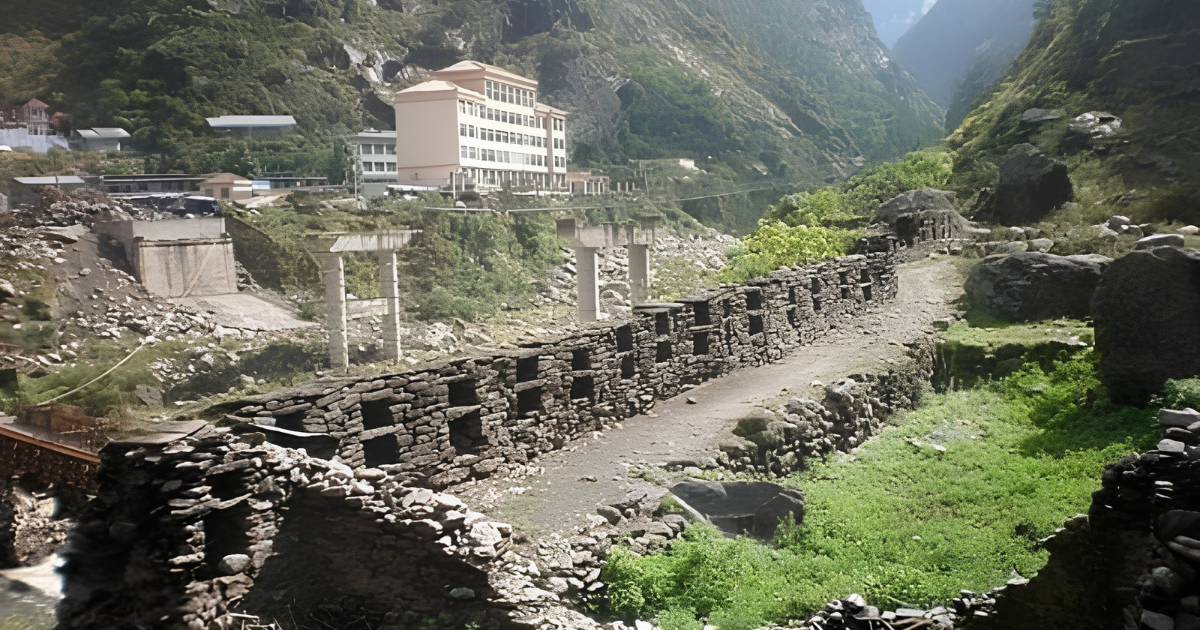
The historic pauwaghar (wayside rest house) located at Majhgaun in Uttargaya Rural Municipality-5 of Rasuwa, connected to Nepal’s unification campaign, is increasingly falling into disrepair due to a lack of preservation. Concerns have grown that the heritage site’s historical existence itself could be erased as timely repair and maintenance have not been carried out following the 2072 BS Gorkha earthquake, which left it at greater risk.
Locals complain that this pauwaghar, situated along the old trail of the Gosaikunda pilgrimage, has long been left virtually abandoned. Local leaders say concerned authorities have not paid sufficient attention even as a structure of historical significance nears collapse.
Uttargaya Rural Municipality Chairperson Madhav Aryal stated that the rural municipality is taking necessary initiatives to keep this heritage—which carries historical faith and identity—alive. Ward No. 5 Chair Yamnath Acharya informed that coordination is underway with the provincial and federal governments to preserve the heritage amid limited resources.
According to historical documents and local legends, nation-builder Prithvi Narayan Shah obtained khadgasiddhi (attainment/blessing of the sword) from Siddha Yogi Agasti, who lived in Dhaibung, while wishing for victory in battle during the Nepal unification campaign. Out of gratitude for that achievement, history records that Shah granted Agasti the Dhaibung village above Betrawati as a birta land grant under a sadabarta guthi (charitable endowment/trust).
Siddha Yogi Agasti granted that land as a kush birta to his adopted daughter (dharmacheli), Gauradevi. Gauradevi received the guthi on the condition that she build a Ram temple in Betrawati to conduct regular worship and construct a pauwaghar in Majhgaun, upper Betrawati, to arrange food (satu-samal) and shelter for pilgrims traveling to and from Gosaikunda.
Locals say the settlement came to be known as ‘Laharai Pauwa’ because three pauwaghar structures were built in a row along the ridge at that time to serve pilgrims, which later became corrupted into ‘Lahare Pauwa’.
Reconstructing this heritage—which carries a living history of religious tolerance, cultural diversity, and pilgrimage traditions—without altering its original form is seen as helpful in promoting religious tourism and supporting the local economy. Stakeholders emphasize the need for its immediate preservation through collaboration among the state, local levels, and the community to pass on this glorious history to future generations.
RSS