
Kathmandu, October 2: Simplifying legal procedures, ensuring policy clarity and strengthening coordination among government agencies are essential to accelerate infrastructure development and attract private investment in Nepal, stakeholders have emphasized.
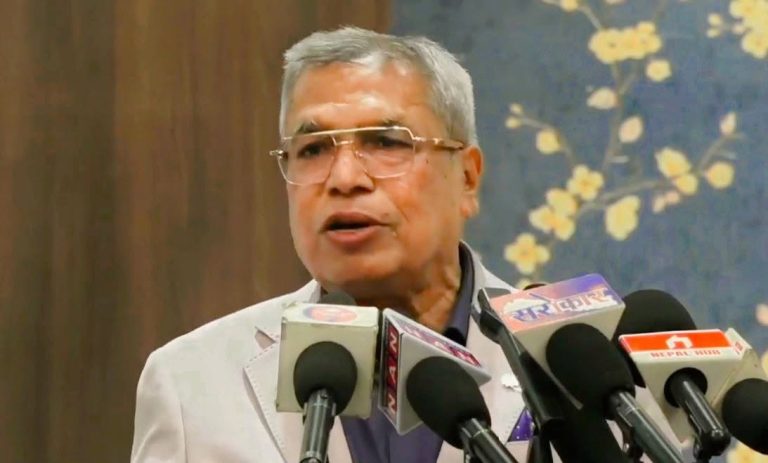
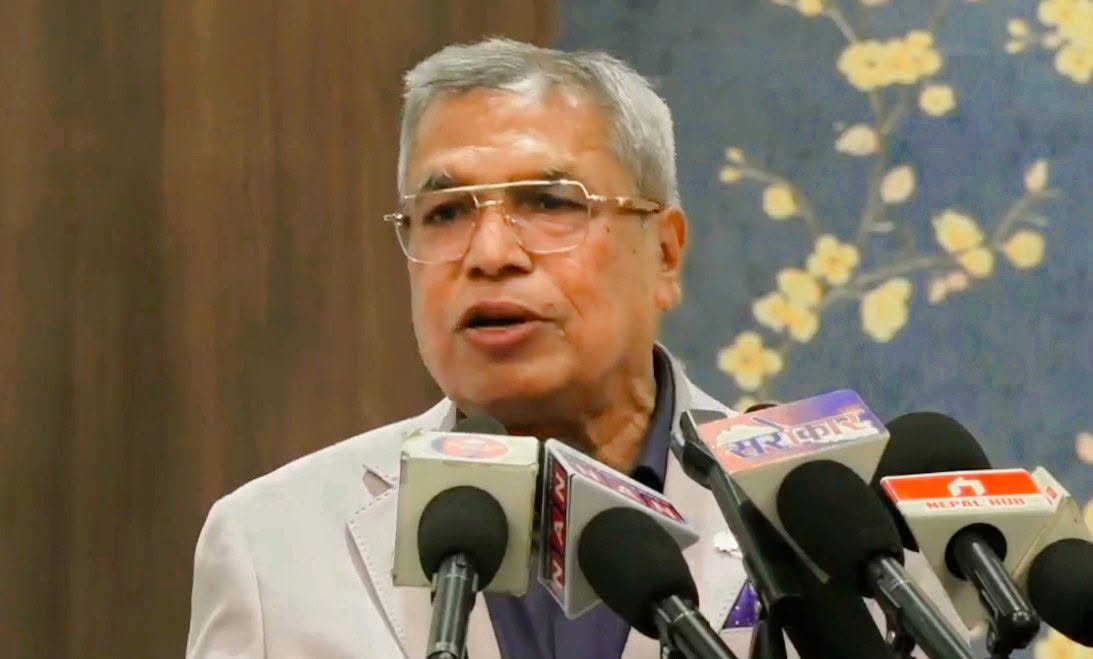
Speaking at a workshop on legal reforms for investment and development organized by the Ministry of Physical Infrastructure and Transport on Friday, Nepal Chamber of Commerce President Kamalesh Kumar Agrawal stressed the need to prioritize legal and policy reforms to enhance Nepal’s competitiveness and economic growth.
Agrawal said modern and reliable infrastructure was indispensable for advancing investment, technology, production, trade, tourism, employment and overall economic activities amid rapid changes in the global economy.
He noted that infrastructure development should extend beyond roads, bridges and physical structures to encompass digital infrastructure, information technology, cybersecurity, energy, communication systems and smart technologies.
According to Agrawal, delays in infrastructure projects often stem from complicated legal procedures, unclear policies and inadequate coordination among government agencies. He called for making infrastructure-related laws and administrative processes simpler, clearer and more transparent.
He also stressed that project selection should consider technical and financial feasibility, actual development needs, and environmental and social impacts rather than relying solely on the lowest-cost criteria.
Agrawal said safeguards concerning citizens’ rights and environmental protection should not be weakened in the name of development. However, unnecessary and repetitive administrative procedures should be eliminated to prevent infrastructure projects from facing prolonged delays.
He highlighted the need for clear, time-bound and transparent procedures for environmental approvals, land acquisition and forest-related clearances. Effective public-private partnerships (PPP) and private investment could help accelerate infrastructure development if supported by predictable legal arrangements.
The Chamber president further emphasized the importance of clear legal provisions governing investment protection, revenue administration, contract enforcement and dispute resolution.
He said responsibilities and institutional roles among federal, provincial and local governments must be clearly defined, noting that overlapping jurisdictions and unclear mandates often increase project costs and implementation timelines.
Agrawal also called for developing a coordinated system for project approval and implementation to address fragmented decision-making among multiple government agencies.
He said the private sector was seeking neither special privileges nor exemptions, but rather clear laws, consistent policies, an investment-friendly environment, transparent procedures and effective regulation.
“Relations between the government and the private sector should advance beyond regulation and business transactions to become a partnership in development,” he said.
Agrawal added that infrastructure development could not be achieved through budgetary allocations alone, emphasizing that a simplified legal framework could attract investment, ensure contractual accountability, mobilize private capital and strengthen public confidence.
He urged the government to integrate infrastructure development, legal reforms, investment security and public-private cooperation into a coordinated strategy to strengthen Nepal’s economic competitiveness.