भूमिगत जल सिँचाइ आयोजना
Chitwan, October 16.
The Groundwater Irrigation Project, Chitwan—which has been working on groundwater irrigation across five districts including Chitwan—is focusing on completing unfinished projects in the current fiscal year. The project is completing incomplete ventures this year by drilling tube wells in more than 16 locations.
The project has allocated NPR 100 million for electrification, procurement of motors, construction of pump houses, and pipeline expansion this fiscal year. According to Project Chief Bishwabandhu KC, work is being carried out in areas where tube wells were previously drilled but budgets were insufficient for other structural works. The project has been carrying out groundwater irrigation works in Chitwan, Nawalparasi (Bardaghat Susta East), Makwanpur, Bara, and Parsa, and these plans will be finalized based on necessity across all districts, he informed.
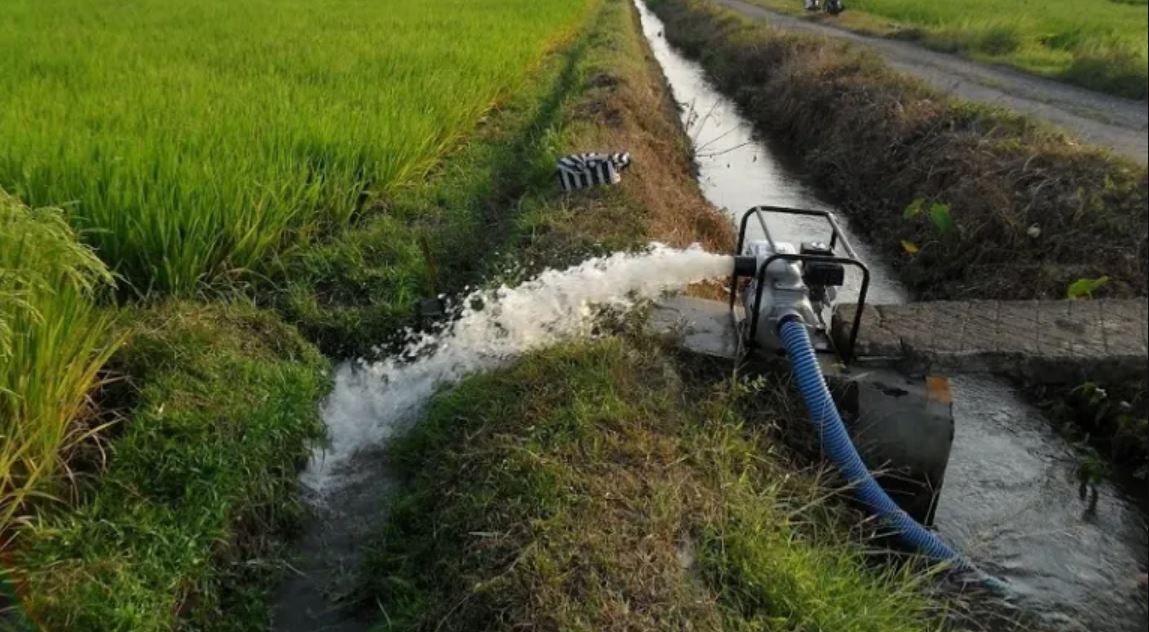
Additionally, the project has allocated NPR 40 million to drill tube wells in five locations, alongside maintenance work on irrigation systems. A total budget of NPR 250 million has been allocated for groundwater irrigation works this fiscal year. KC stated that a single tube well irrigates approximately 30 hectares of land.
Having operated for the past six years, the project has already irrigated 3,584 hectares of land in Chitwan alone. According to KC, since the project commenced operations in 2020 (2077 BS), 142 deep borings and 357 power-drill tube wells have been installed in the district to provide irrigation.
Outside of Chitwan, the project has irrigated 5,117 hectares of land to date across the other districts. He informed that a total of 202 deep borings and 670 power-drill tube wells have been installed across the three districts of Chitwan, Makwanpur, and Nawalparasi (Bardaghat Susta East), with Bara and Parsa districts newly added this year.
The project has been providing irrigation facilities in hilly regions and areas facing irrigation shortages, he noted. With irrigation in place, farmers in those areas have begun growing off-season vegetables and planting cereal crops on time. Chief KC mentioned that due to lower project budgets in recent years, work could not keep pace with public demand.
This year, the project is undertaking remaining works for tube wells constructed in the past, such as pipeline connection works where tube wells were previously built. Farmers who previously could not farm due to water shortages are now increasing their income by cultivating cash crops, he added.
— RSS/Unified Nepal