रातो माटो, कमेरो र खोटोको संस्कृति ओझेलमा
DHANKUTA, October 20:
With the onset of Bada Dashain, the greatest festival of Nepalese, festive zeal has gripped villages and towns alike. The traditions of shopping, wearing new clothes, partaking in delicious meals, cleaning courtyards, and receiving blessings and forehead marks (tika) from elders make Dashain joyous. In the past, the arrival of Dashain was equally marked by the search for red clay (rato mato), white clay (kamero), and tree resin (khoto). Whitewashing and painting walls with red and white clay, applying resin on wooden windows and doors, and sprucing up houses were integral parts of Dashain preparations. However, with changing times, housing styles have transformed. As the use of cement and modern paints increases, the traditional practice of painting houses is gradually fading away.
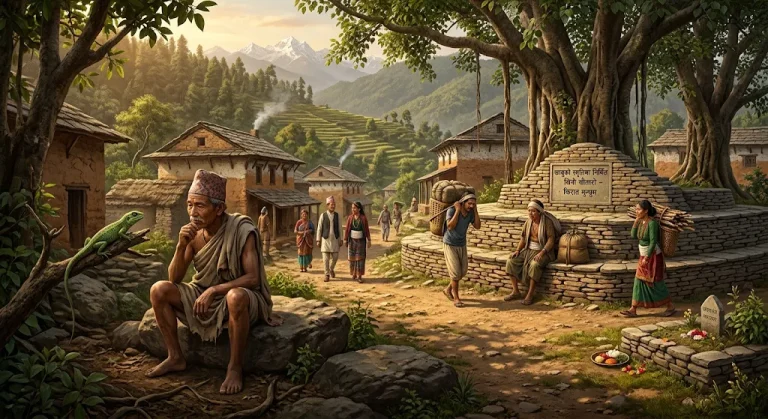
In earlier times, ahead of Dashain, villagers in Dhankuta would scramble to find red and white clay. Places rich in adhesive clay and red clay would witness a dense gathering of locals. Cleaning house walls and painting them with clay, applying white clay where necessary, and painting doors and windows with resin were tasks undertaken collectively by family members. This tradition of giving houses a fresh look to welcome Dashain not only enhanced cleanliness and aesthetic beauty but also amplified festive enthusiasm.
Haribahadur Basnet of Dhankuta Municipality-2 recalled that until a few years ago, there used to be a massive hustle and bustle of people going out to collect clay ahead of Dashain. He still vividly remembers crowds gathering at spots where adhesive and red clay were available. “After being plastered with clay, houses used to look clean, beautiful, and neat, but such sights are rarely seen nowadays,” he noted. Cement use has expanded even to rural areas. Traditional houses built of stone, mud, and wood are being replaced by concrete structures. The practice of plastering outer and inner walls with cement and applying various modern paints has grown, leading to a decline in the use of red clay, white clay, and resin, he added.
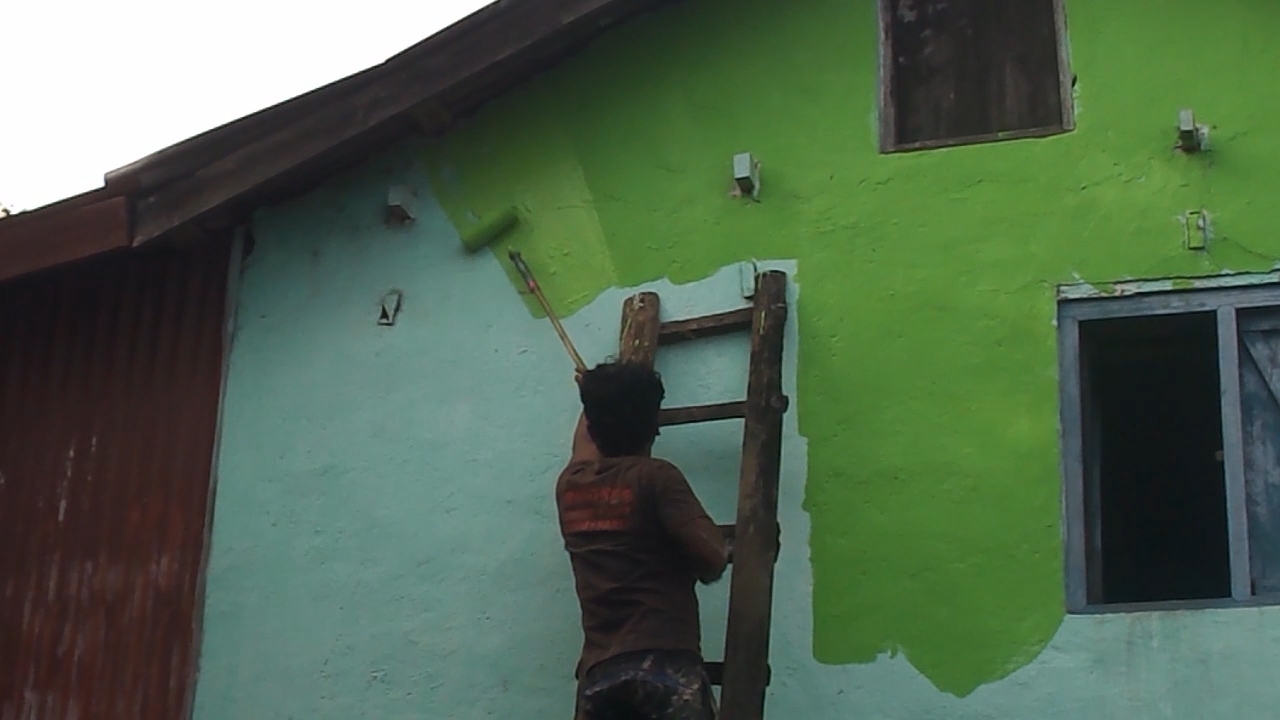
Not only has home architecture changed, but shifts in people’s lifestyles have also affected traditional plastering practices. Earlier, painting the house was viewed as part of Dashain preparation. Family members would band together to paint walls, clean courtyards, and tidy up windows and doors. Nowadays, the tendency to decorate houses in a short time using market-bought paints and other construction materials has increased, gradually displacing traditional skills and their associated communal practices.
Red and white clay held a special place in the aesthetics of traditional Nepali homes. Plastering mud-built walls made them look clean and attractive; red clay brought a radiant redness to the walls, while white clay provided a clean white hue. Depending on home architecture and family preferences, these materials were utilized. The purpose of using them wasn’t just decoration, but keeping the home orderly and clean. Pre-Dashain cleaning and fresh plastering prepared the home for the festival. In many places, neighbors and relatives would join in to help, weaving social bonds and mutual cooperation into the routine of home maintenance.
Traditional houses relied on locally available soil, stone, wood, and other materials. Materials for plastering were chosen based on the architectural style. Utilizing local resources to beautify homes was a practice passed down through generations, but the easy availability of modern materials and the growing attraction toward concrete houses have weakened its continuation.
Alongside plastering walls with red and white clay, the tradition of applying khoto (resin) on wooden windows and doors was equally vital. Specifically, the thick outer bark (lopra) of Sal trees was peeled, boiled in water, and processed into a black resin. This resin was then applied to wooden windows and doors. According to Mohan Thapa of Dhankuta Municipality-2, resin prepared from Sal bark, when applied to windows and doors once a year, was believed to protect the wood from termites and wood-boring insects. It gave wooden fixtures a black finish while helping preserve the wood, he stated.
Presently, the use of modern paints, varnishes, and other chemical substances for wood has increased. With changes in architecture and materials, the traditional skill of preparing and applying resin is also disappearing. Materials once prepared based on familial knowledge and experience are becoming foreign to the current generation. The process of making resin involved identifying local forest resources, utilizing various parts of timber, and passing down traditional know-how. As its use declines, the preservation of this skill is in jeopardy.
Festive Culture and Collective Practice
Dashain is a festival of immense religious and cultural significance in Nepali society. Traditions of cleaning homes, plastering walls, decorating courtyards, and visiting relatives have endured for ages. Particularly in rural areas, home painting was established as a cultural practice tied to Dashain’s arrival.
Plastering walls did not just add fresh color; it gave the tangible feeling that the festival had arrived. Working together as a family, searching for required soil, and preparing materials turned Dashain preparations into a collective activity. Older generations recall that the enthusiasm for celebrating Dashain grew immensely in a neatly plastered home. Seventy-one-year-old Mohan Thapa of Dhankuta remarked that plastering homes with red clay, resin, and white clay was once another facet of the culture surrounding Dashain and Tihar. However, as older customs fade with modernization, the younger generation knows little about these traditions and materials.
Transforming Architectural Landscapes
Over time, human living styles and construction materials have shifted. Previously, houses were mostly built of stone, mud, and wood. Their walls were plastered with red and white clay, while wooden windows and doors received coats of resin. Utilizing locally available materials engaged the community’s traditional knowledge in construction and maintenance.
Today, the use of cement, bricks, iron rods, and other modern materials has surged. Constructing concrete homes and applying modern paints inside and out has become widespread. With various paints and decorative items readily available in markets, the need to search for clay and resin has dwindled for many families. While modern materials offer durability and convenience, traditional skills and knowledge of local materials face preservation challenges. As the new generation grows familiar with modern building styles, they get fewer opportunities to understand the unique characteristics of the clay, white clay, and resin used by their ancestors.
— RSS/Unified Nepal