आइएमई ग्रुप
Chitwan, October 20.
The IME Group has prioritized tourism promotion and infrastructure development in Nepal through its homegrown hotel brand, ‘Ela’. IME Hospitality stated that it has been operating hotels that offer international-standard services at half the price charged by other international brand hotels operating in Nepal.
The hospitality group currently operates the 65-room Ela Resort in Gaindakot, Nawalpur, the 35-room Ela Comfort in Harkapur, and the 30-room Ela Comfort in Baglung Bazaar. Additionally, the Ela Lodge is set to come into operation in Kailali with an initial 20 rooms and an upcoming addition of 65 rooms, while a 120-room Ela Resort is being brought into operation in Basantapur, Palpa.
In Pokhara, the 35-room The Lake Side Retreat is currently operational, and the 100-room Ela Hotel Lazimpat is preparing to open. Meanwhile, the IME Group’s Chandragiri Hills Resort, featuring 120 rooms, has been in long-term operation.
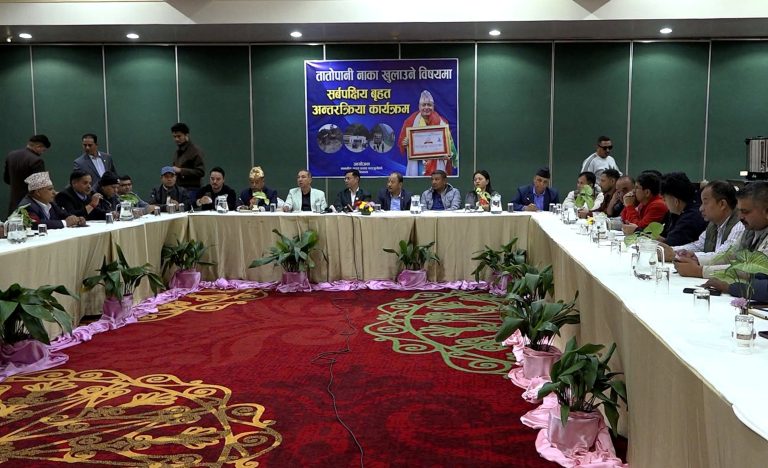
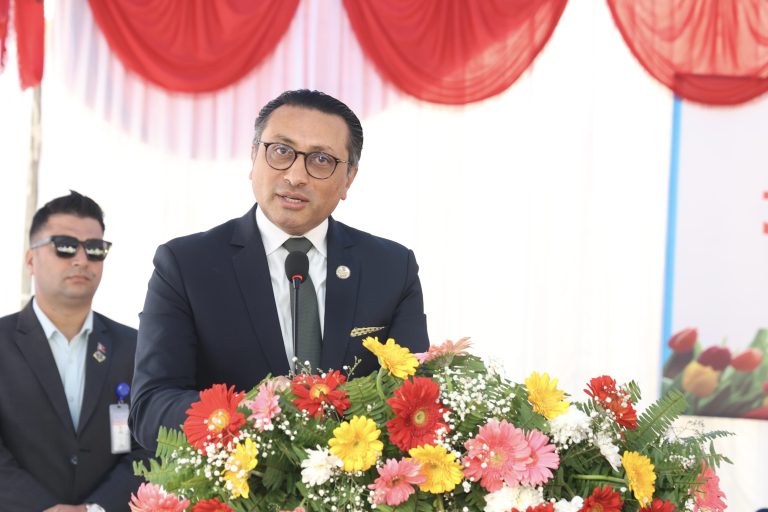
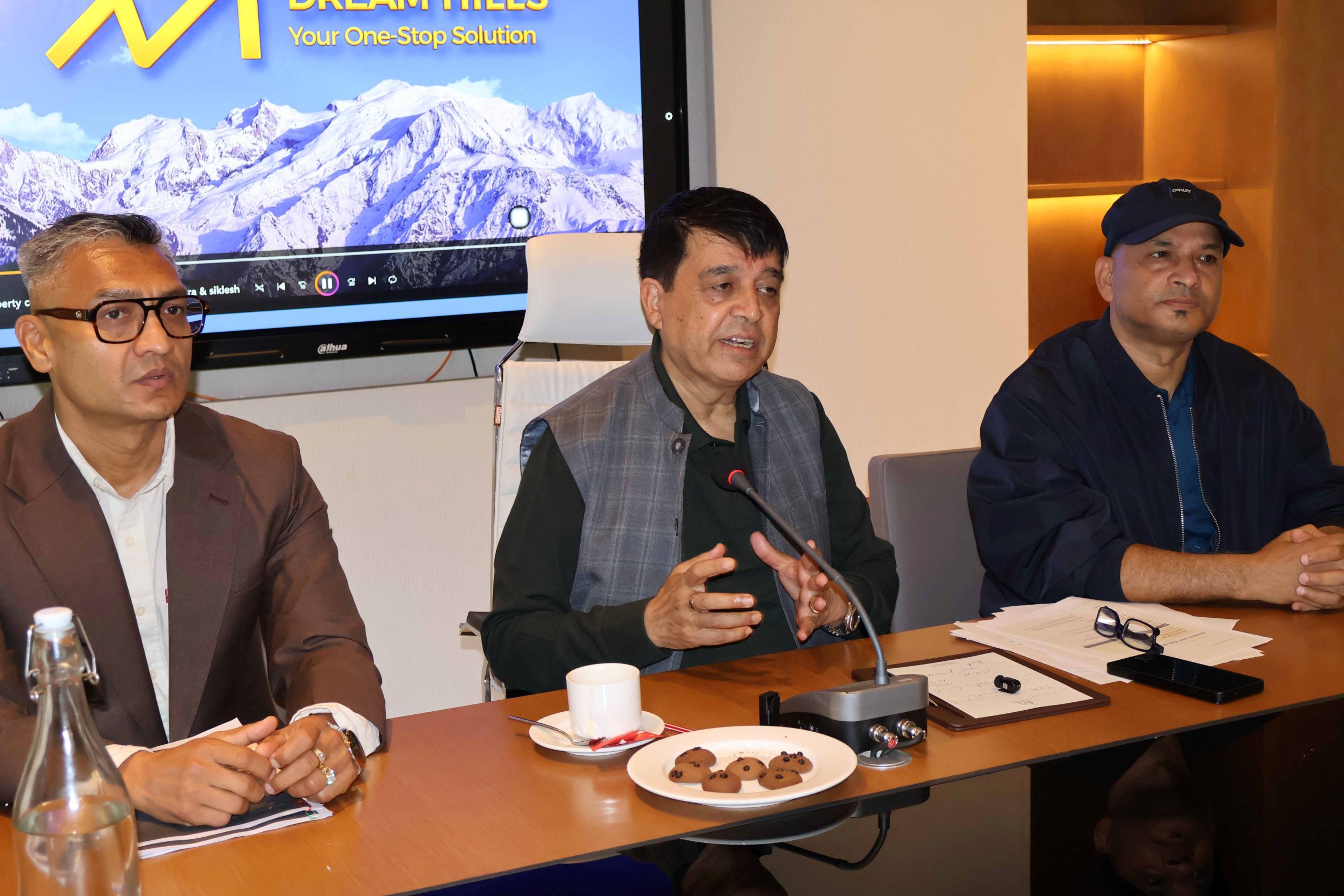
During a press interaction held on Monday at the Ela Resort in Gaindakot, Nawalpur, IME Group Chairman Chandra Prasad Dhakal shared that more than 30 percent of their employees possess international work experience. “We are providing international-standard services at affordable rates,” he stated. He emphasized that they are offering better services at half the price charged by international brands in Nepal.
To maintain this standard, the hospitality venture operates its own technical training center, the ‘Kathmandu Technical School’, producing skilled cooks, waiters, and housekeeping personnel who subsequently work across their properties. Chairman Dhakal noted, “It is because of this skilled manpower that our hotels have been able to successfully compete with other international brands.”
Highlighting that services are delivered with high quality and low charges, he noted that most of their hotels are situated in prime tourist destinations. With the vision of doubling the average length of stay of tourists in Nepal by developing international-standard tourism infrastructure and chain hotels across all seven provinces, the group has initiated operating hotels alongside cable car projects, he explained.
Chairman Dhakal mentioned that the experience gained from constructing tourism infrastructure such as cable cars, resorts, and theme parks in Chandragiri has inspired the expansion of similar projects across all seven provinces. “Our vision is that if we can build tourism infrastructure like Chandragiri in at least all seven provinces, we can precisely double the stay duration of tourists visiting Nepal,” he said.
The construction of infrastructure including cable cars, a five-star resort, a theme park, a 3D park, and a temple in Chandragiri has greatly helped attract tourists and expand tourism activities, he noted, adding that this experience serves as the foundation for the current campaign to develop tourism infrastructure across all seven provinces.
Clarifying the objective behind launching the ‘Ela’ brand, Chairman Dhakal stated it was introduced to provide international-standard hospitality services right within Nepal. The initiative stems from the vision of developing an indigenous hotel brand by leveraging the group’s business network and experience.
He remarked, “Why shouldn’t we create our own brand? Given our extensive network and resources, we launched ‘Ela’ with the mindset of building our own hotel network. We have built it in a way that it is second to no international brand.”
Hotel Ela aims to promote tourism by leveraging local environments and tourism potentials to deliver quality service, he said. The initiative seeks to connect wildlife safaris and religious tourism destinations with environments that allow visitors to escape the heat of lower regions and experience cooler weather in hill and tourist areas.
Dhakal stated that government priorities, public aspirations, and commercial sustainability have been made the core foundations of business expansion. “We have worked based on three principles,” he said, “First, investing in sectors prioritized by the government; second, doing what the general public desires; and third, ensuring commercial sustainability.”
Expressing confidence that mobilizing private sector capital can drive large-scale tourism projects within the country, the former president of the Federation of Nepalese Chambers of Commerce and Industry (FNCCI) noted that such investments generate employment and significantly contribute to the national economy.
While cable car projects by the same group—including Chandragiri, Maulakalika, and Lumbini—are already operational, the Jalpadevi cable car in Chisapani, Kailali, is set to open soon. Work on the Pathibhara project has reached 60 percent completion, another cable car connecting Devghat to Maulakalika is under construction, and cable car processes have been advanced in Sikles, Kaski.
Preparations are also underway to operate a hotel in Rara, Karnali, while feasibility studies are ongoing for tourism infrastructure development within Madhesh Province. Laxman Thapa, Chief Executive Officer of Ela Hospitality, shared that through skilled employees, modern amenities, and high-quality services, the hotels are providing services at about 50 percent lower rates compared to international chain hotels.
Thapa, who spent 20 years working in the international hospitality sector before returning, noted that services are delivered by returning professionals utilizing knowledge and skills gained abroad alongside homegrown talent. Having gained prior experience with Tiger Palace, CG Hospitality, Yak and Yeti, and Siddhartha Hospitality in Nepal, he expressed pride in successfully delivering top-tier services through Ela, noting that all Ela hotels are situated in scenic locations that make them a preferred choice for travelers.
— RSS/Unified Nepal