आँखा स्वास्थ्य
Kathmandu, October 18:
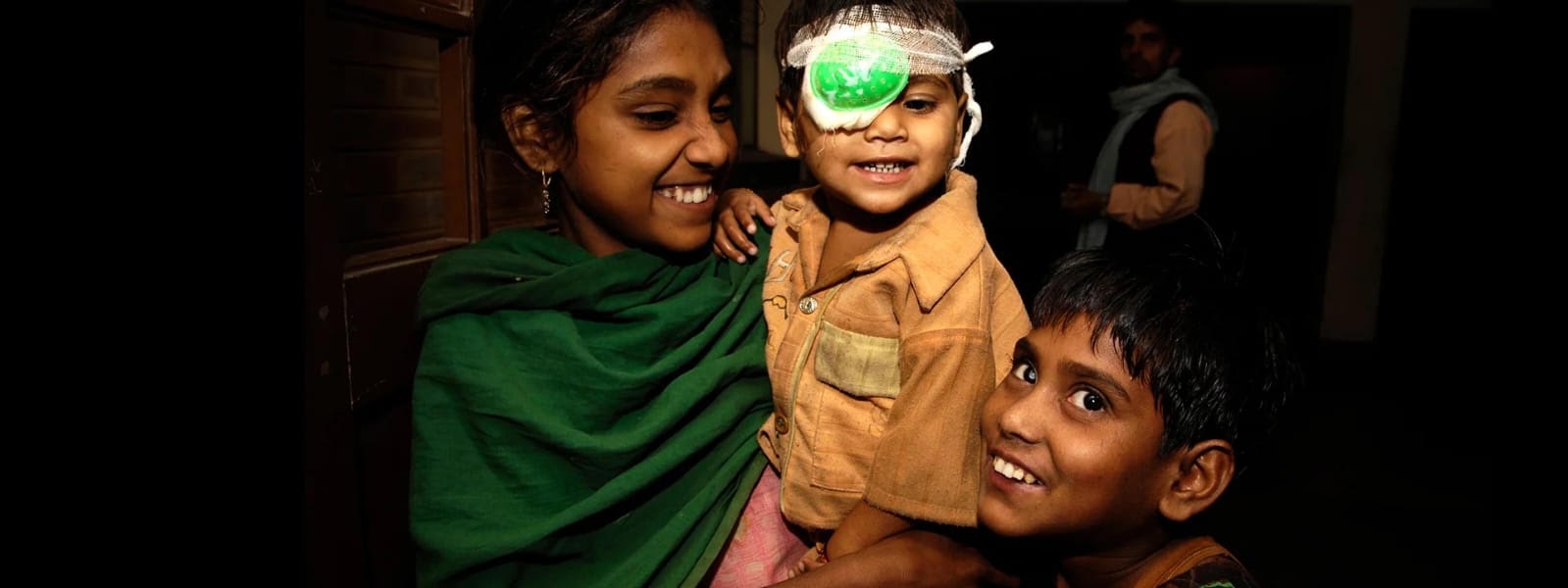
The achievements made by Nepal in the eye health sector in recent times, coupled with the trust reposed in it by the international community, have laid the groundwork for establishing Nepal as an attractive destination (hub) for quality and accessible healthcare. A stellar example of this foundation is the eye healthcare services being provided to foreign nationals by the eye hospitals operated under the Nepal Netra Jyoti Sangh (Nepal Eye Jyoti Association), as well as the free eye treatment services it conducts in various countries. The Sangh’s network currently includes 28 eye hospitals and 226 eye treatment centers.
Thanks to the exceptional services provided by these hospitals and treatment centers, the compulsion to travel either to Kathmandu or across the border for eye treatments has ended. Nowadays, eye patients from across the border come to Nepal for treatment. For them, Nepali eye hospitals are becoming centers of trust for saving sight. The hospitals and centers affiliated with the Sangh have made maximum use of the exceptional expertise of Nepali ophthalmologists, modern equipment introduced in eye health, and quality services. Because of this very trust and confidence, eye health has now emerged as a new frontier of potential for Nepal.
On the other hand, this very service of restoring light to eyes has started contributing to the nation’s economy. CA Devraj Pant, Chief Financial Officer of the Sangh, said, “Nepal’s eye healthcare service has begun contributing to the country’s economy. The inflow of foreign patients coming for treatment at Nepali eye hospitals is increasing. The revenue generated from them has also highlighted new possibilities.”
According to him, the hospitals and centers within the Nepal Netra Jyoti Sangh network generated over 1.5 billion rupees in foreign currency during the fiscal year 2082/83 (2025/26) in exchange for providing treatment services to foreign patients. He stated, “This is not just an economic statistic; it is an exemplary model of the trust that Nepali healthcare is earning at the international level. Generating this foreign currency through quality eye healthcare opens the door to immense possibilities.” He added that the income derived from foreign patients has underscored the economic potential of eye health services.
Public Trust Built on the Guarantee of Quality Service
Among the foreign patients coming for treatment, the majority hail from India. Similarly, citizens from Bangladesh, Bhutan, and other countries are also availing services from Nepal’s eye hospitals. For a patient’s family, taking their patient to another country for treatment is no small matter. Factors such as treatment quality, trust in the physician, cost, accessibility, waiting period, past patient experiences, and financial aspects play a decisive role in such decisions.
According to Dr. Shailesh Kumar Mishra, Executive Director of the Sangh, up to the fiscal year 2082/83 (2025/26), the eye hospitals and centers affiliated with the Sangh have provided treatment services to a total of 50,200,489 eye patients—including both Nepali and foreign citizens—while successful eye surgeries have been performed on 5,659,624 individuals. He remarked, “Due to experienced eye specialists, modern technology and equipment, positive surgical outcomes, patient care, relatively short waiting periods, and affordable treatment costs, Nepal’s eye care has become exceptional. This is why eye patients from border regions and various other countries prefer to receive services at Nepali eye hospitals.”
The economic contribution of a foreign patient is not limited to hospital bills alone. Foreign patients also spend on hotels, transportation, food, medicines, and local markets in addition to treatment costs. Expenses incurred by accompanying family members and helpers can further boost economic activity across various businesses. Many visitors may also tour religious and tourist sites in Nepal alongside their medical treatment. Thus, health tourism holds the potential to contribute to businesses and employment outside of hospitals as well.
Nepal’s Own Practice in Blindness Reduction
The Nepal Netra Jyoti Sangh was established in 2035 BS (1978) with the objective of reducing preventable and treatable blindness in Nepal. At that time, specialized eye treatment services were limited to certain areas, making it difficult for citizens in rural and remote regions to access care. According to the Sangh, the subsequent expansion of hospitals and eye treatment centers—along with community-based eye health programs, school vision screenings, cataract surgeries, and specialized services—has helped bring services within reach of the general public. Practices such as conducting eye check-ups directly within communities and referring patients needing advanced care to hospitals have significantly expanded accessibility.
Statistics show that the blindness rate in Nepal dropped from 0.84% in 1981 to approximately 0.28%, with a target to bring this rate down to 0.20% by 2030. Since the preservation of sight is directly tied to an individual’s education, employment, income generation, and self-reliance, the social significance of this achievement is immense.
According to Bharat Bahadur Chand, General Secretary of the Sangh, the core objective of the organization is to provide quality eye healthcare services to all citizens. By maintaining this social responsibility and expanding services, Nepal’s eye healthcare can elevate its international profile while contributing to the country’s economic activity. He stated, “To systematically harness the potential of eye health tourism now, the government must formulate clear policies on health tourism, increase investment in hospital infrastructure and technology, ensure quality according to international standards, and streamline treatment procedures for foreign patients. Expanding collaboration among health institutions and international promotion is equally important.”
Nepal’s eye healthcare is not limited to treating diseases and restoring vision alone. It intertwines humanitarian service, international trust, and economic potential. By expanding quality services while upholding social responsibility, Nepal’s eye health sector can become a vital pillar of economic prosperity and foreign currency earnings.
— RSS/Unified Nepal