
Kathmandu | July 7 — Nepal’s efforts to strengthen transparency in public spending are increasingly centred on reforms in the public procurement system, with growing emphasis on digital bidding, competitive tendering and stronger project oversight to improve accountability in the use of public funds.
Public procurement accounts for a significant share of government expenditure each year, making it one of the most critical areas for governance reform. Experts and oversight agencies have repeatedly identified weak project preparation, limited competition in bidding, delays in implementation and inadequate monitoring as factors contributing to cost overruns and inefficient use of public resources.
Recent reform initiatives have focused on expanding electronic procurement platforms, strengthening feasibility studies before project approval, improving the quality of detailed project reports (DPRs), and enhancing transparency throughout the procurement cycle. Greater use of digital systems is also expected to reduce paperwork, improve record keeping and make procurement information more accessible to the public.
Another area receiving increased attention is the regulation of user committee-led projects and the promotion of open, competitive bidding for larger public contracts. Governance specialists argue that stronger institutional oversight and clearly defined accountability mechanisms can improve project execution while increasing public confidence in government spending.
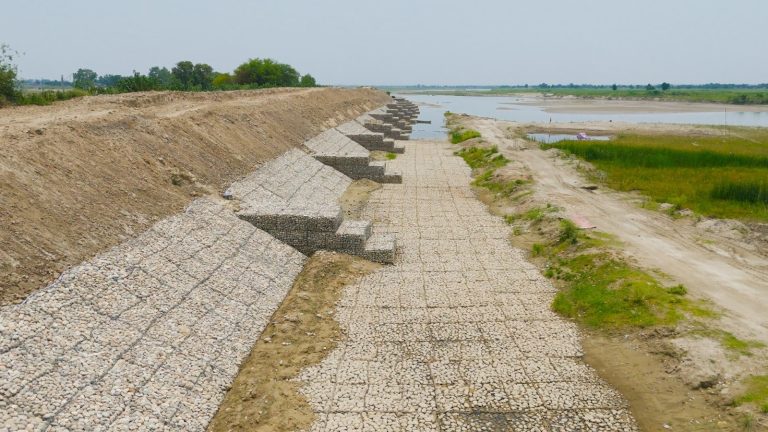
As Nepal continues investing in roads, energy, urban development and other major infrastructure projects, procurement reform is increasingly being viewed as a cornerstone of good governance. Officials and policy experts maintain that transparent procurement practices not only improve the quality of public projects but also contribute to efficient service delivery, fiscal discipline and stronger public trust in state institutions.