
जलवायु परिवर्तन
Kaski, October 1
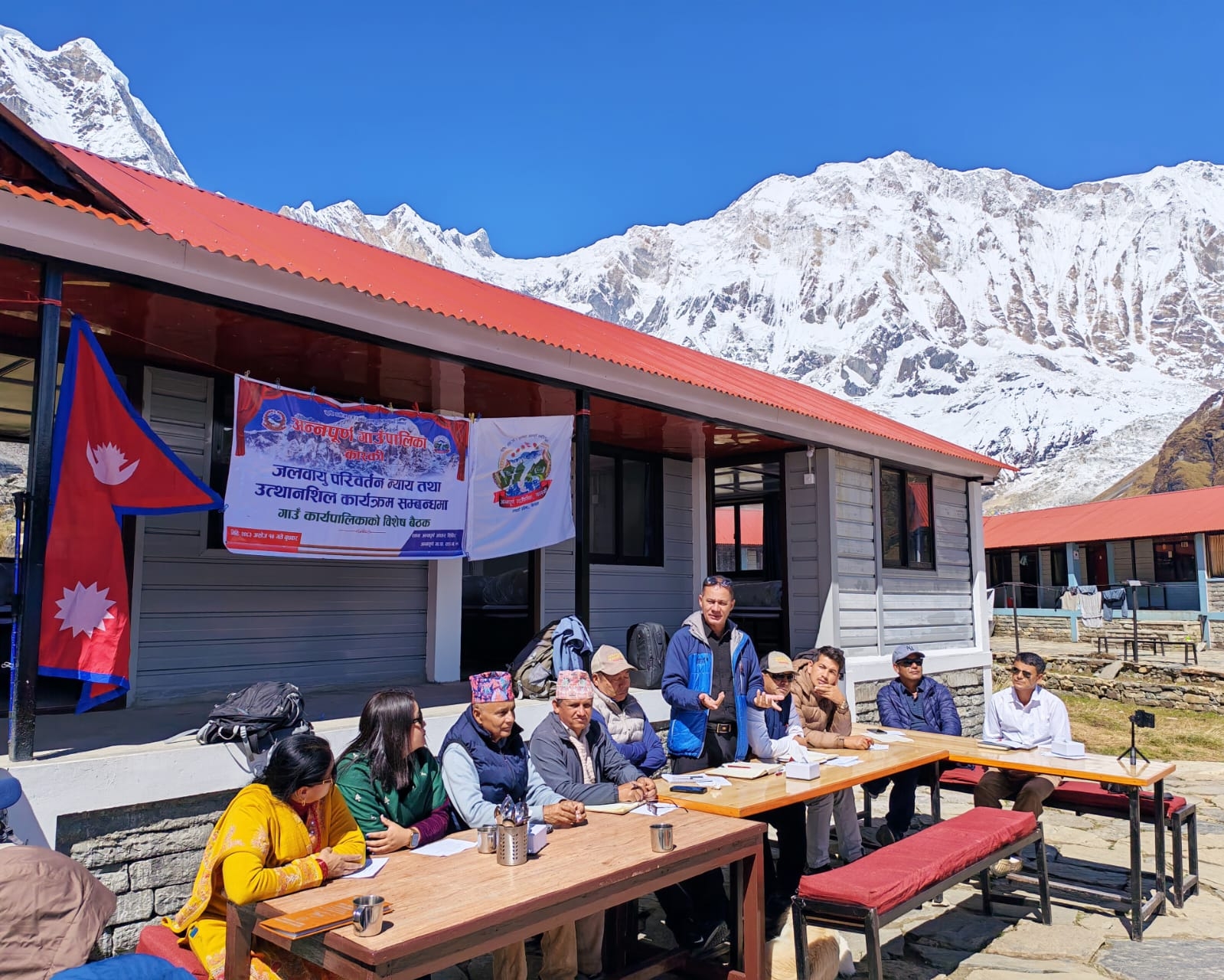
Annapurna Rural Municipality of Kaski has raised its voice from the world-famous Annapurna Base Camp (ABC) to draw attention to the escalating risks caused by climate change in the Himalayan region and the urgent need for climate justice.
On Wednesday, the rural municipality—which suffered extensive damage from floods, landslides, and river erosion during this year’s monsoon—held a special executive meeting at ABC, a high-altitude Himalayan tourist destination situated at 4,130 meters above sea level.
Rural Municipality Chairperson Vishnu Bahadur KC informed that the special meeting was organized to draw national and international attention to the challenges faced by the Himalayan region, climate justice, conservation of the mountain ecosystem, and the resilience of local communities.
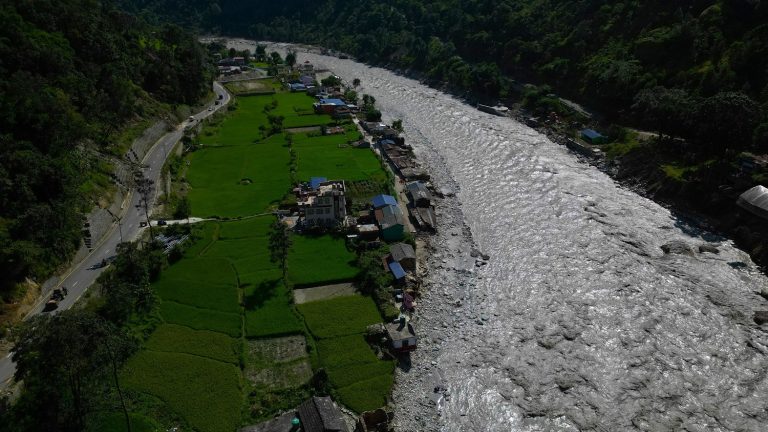
Recurrent flooding in the Modi and Kimrung rivers during July and August damaged local infrastructure including hotels and roads, leaving Birethanti and Syauli Bazaar highly vulnerable. After the paved road was washed away by floods, direct road connectivity between the tourist village of Ghandruk and Pokhara remained severed for 40 days. The full assessment of the financial and physical losses incurred by the municipality is still underway.
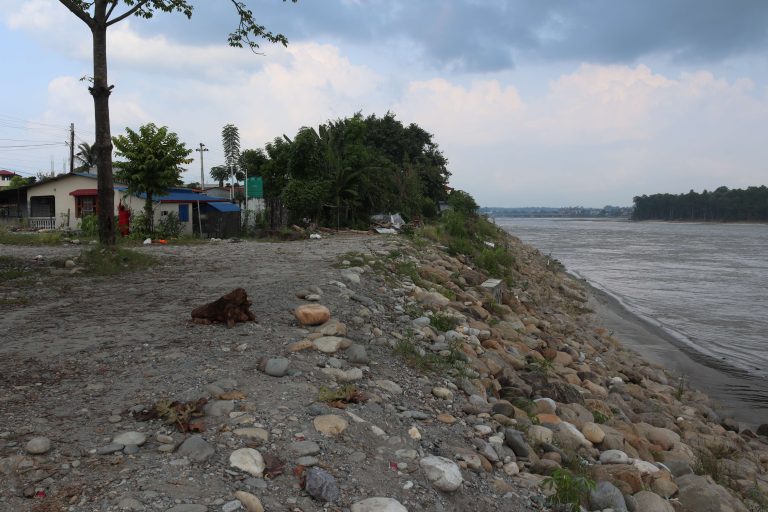
“During this year’s monsoon, Annapurna Rural Municipality was severely impacted by floods, landslides, and riverbank erosion. River cutting by the Modi River, in particular, caused extensive destruction across various parts of the municipality. We convened this meeting at ABC to draw attention to how climate change is affecting local infrastructure, agriculture, transportation, tourism, and daily livelihoods,” Chairperson KC stated.
He highlighted that the Annapurna region is a highly sensitive Himalayan area directly experiencing the impacts of climate change. Rising temperatures and altered precipitation patterns in recent years have posed serious threats to Himalayan ecosystems, biodiversity, glaciers, water resources, agriculture, and local livelihoods.
The meeting concluded that local governments alone cannot cope with the increasing risks of climate-induced disasters such as floods, landslides, riverbank erosion, and extreme rainfall events.
It emphasized the need for necessary policies, technical support, adequate budget allocation, access to climate finance, research, and intergovernmental coordination from both federal and provincial governments.
Chairperson KC added that the call for climate justice raised from Annapurna Base Camp is not just about the Annapurna region, but is directly linked to the conservation of mountains, mountain communities, biodiversity, water resources, and overall climate resilience.
According to municipal spokesperson Bharat Man Gurung, the meeting reviewed the overall status of climate change and disaster risks in the municipality, existing data, and national-international priorities, deciding to formulate the “Annapurna Climate Resilience Action Plan” to integrate into the municipality’s policies, planning, and budgeting processes.
Furthermore, the executive meeting decided to prepare climate risk and vulnerability maps for all 11 wards of the municipality, which will be utilized for risk-sensitive planning and land-use management.
Spokesperson Gurung also shared that the meeting decided to conduct necessary studies, establish partnerships, and allocate budget for developing local early warning and emergency communication systems to improve responses to rain, river discharge, and landslide risks.
Additionally, the municipality decided to establish climate-resilient infrastructure standards and risk-testing mechanisms for constructing and managing public infrastructure, including roads, bridges, trekking trails, drinking water systems, schools, and health facilities.
The meeting also decided to maintain systematic records of loss and damage caused by climate-induced disasters and to progressively integrate available data related to disasters, infrastructure, climate, and tourism.