शरद ऋतुमा बगैँचा
NEW YORK, Nov 2:
When cleaning your garden in autumn, it is not necessary to cut back and remove all plants. Leaving certain perennial plants standing through the winter provides food and shelter for birds and beneficial insects, while cutting back others helps protect against disease and pest outbreaks. Therefore, making the right decision on which plants to keep and which to remove has a significant impact on garden health, disease control, and next year’s blooming capacity.
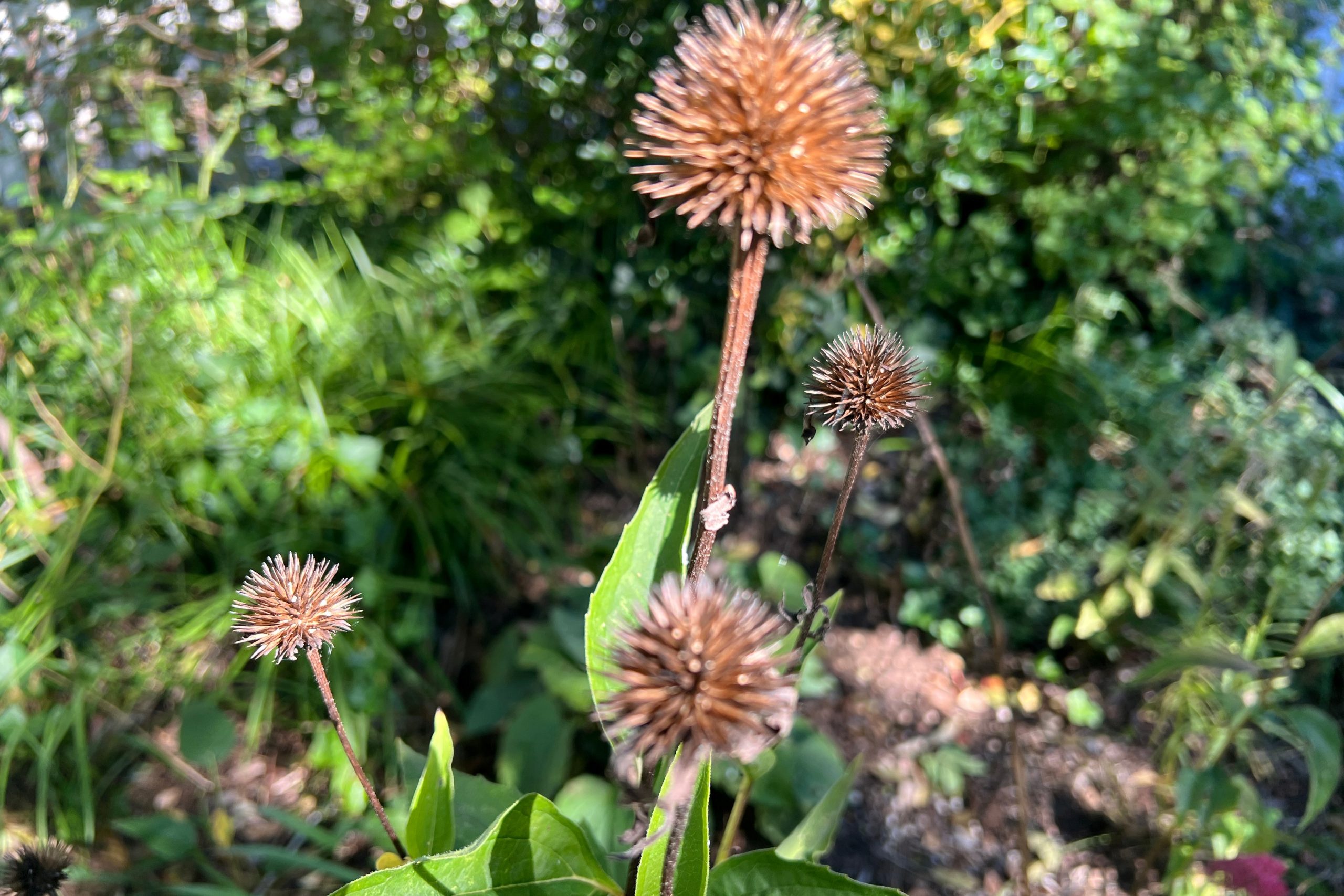
Leaving perennials with seed heads in place through the winter provides food for resident birds and shelter for pollinators and other beneficial insects. Examples of such plants include alliums, asters, large-leaved lupines, black-eyed Susans, chocolate flowers, coneflowers, goldenrods, milkweeds, rattlesnake masters, sneezeweeds, and trumpet vines.
Most shrubs that bloom in spring form their flower buds on the previous year’s growth. Pruning them right now could remove the buds that would otherwise bloom next spring. Therefore, spring-blooming shrubs such as azaleas, rhododendrons, forsythia, and hydrangeas should be avoided from being pruned in autumn. If pruning is necessary to shape or make essential corrections, it is best done within two weeks after they finish flowering.
Ornamental grasses should also be left standing throughout the winter until new growth begins in the spring. This provides a winter habitat for beneficial insects, and the wind-swayed grasses keep the garden looking attractive.
Not all fallen leaves in garden beds need to be removed either. Leaving some leaves right where they fall provides shelter for insects during the winter. Once active in the spring, these beneficial insects help control the population of other pests that damage plants.
Hardy or semi-woody perennials with tough stems, such as Russian sage and lavender, are also best left unpruned in winter. Their upper portions protect the crown—the area where the roots and stems connect at ground level—from the cold.
However, certain plants should be cut back and removed before winter begins. The withered leaves of hostas provide a hiding place for slugs and other pests during the winter; therefore, hostas should be cut down to ground level once the growing season ends.
The dried leaves of irises can also harbor harmful insect eggs through the winter. If not removed, the insects hatching from these eggs in the spring can damage the plants. Cutting back and removing iris leaves now is advisable to prevent pest infestations next year.
Perennials prone to powdery mildew should also be cut back once the growing season ends. These include herbs like peonies, bee balm, and phlox. Other plants affected by disease this year should be cut and removed, along with their fallen leaves and other debris, cleared from the garden. Doing so reduces the risk of disease pathogens reaching the soil and spreading to next year’s plants. Annual flowers like zinnias are also more susceptible to powdery mildew.
Diseased plant parts should not be put into the compost bin; such debris should be disposed of separately as waste to prevent the disease from spreading to other plants.
Despite these seasonal tips, dead, broken, or diseased tree branches and shrub stems can be removed at any time of the year. Leaving such parts poses risks to plant health and creates hazards where winter windstorms could snap them, causing personal injury or property damage. Therefore, when cleaning the garden, rather than cutting all plants at once, it is necessary to care for them according to their nature and condition.
— RSS/Unified Nepal