चरन क्षेत्र
Kathmandu, November 18.
Yak and chauri (yak-cattle hybrid) farmers from Nepal, Bhutan, and India are formally launching the Himalayan Yak Herders Network on November 6 during the 9th Royal Highland Festival in Bhutan.
According to the International Centre for Integrated Mountain Development (ICIMOD), this network is the first regional platform focused exclusively on Himalayan yak-farming communities. Its establishment is the culmination of nearly a decade of collaboration among farmers, governments, and development partners. The network is being formed at a time when mountain communities are facing mounting challenges due to climate change, pasture degradation, and outward migration. ICIMOD stated that the King and Prime Minister of Bhutan will be present at the festival.
Designed as a regional platform, the network aims to promote collective advocacy, knowledge sharing, capacity building, and collaboration among yak-farming communities. Inspired by the World Reindeer Association—which was established and is led by farmers—the Himalayan Yak Herders Network will be led by regional yak herders, with its secretariat based in Bhutan.
Status of Pastures and Yak Farming in the Three Countries
The festival will feature representatives from the Yak and Chauri Farmers Federation of Nepal, the Bhutan Yak Federation, and the Yak Federation of India, alongside government officials, researchers, development partners, and other stakeholders from the three nations.
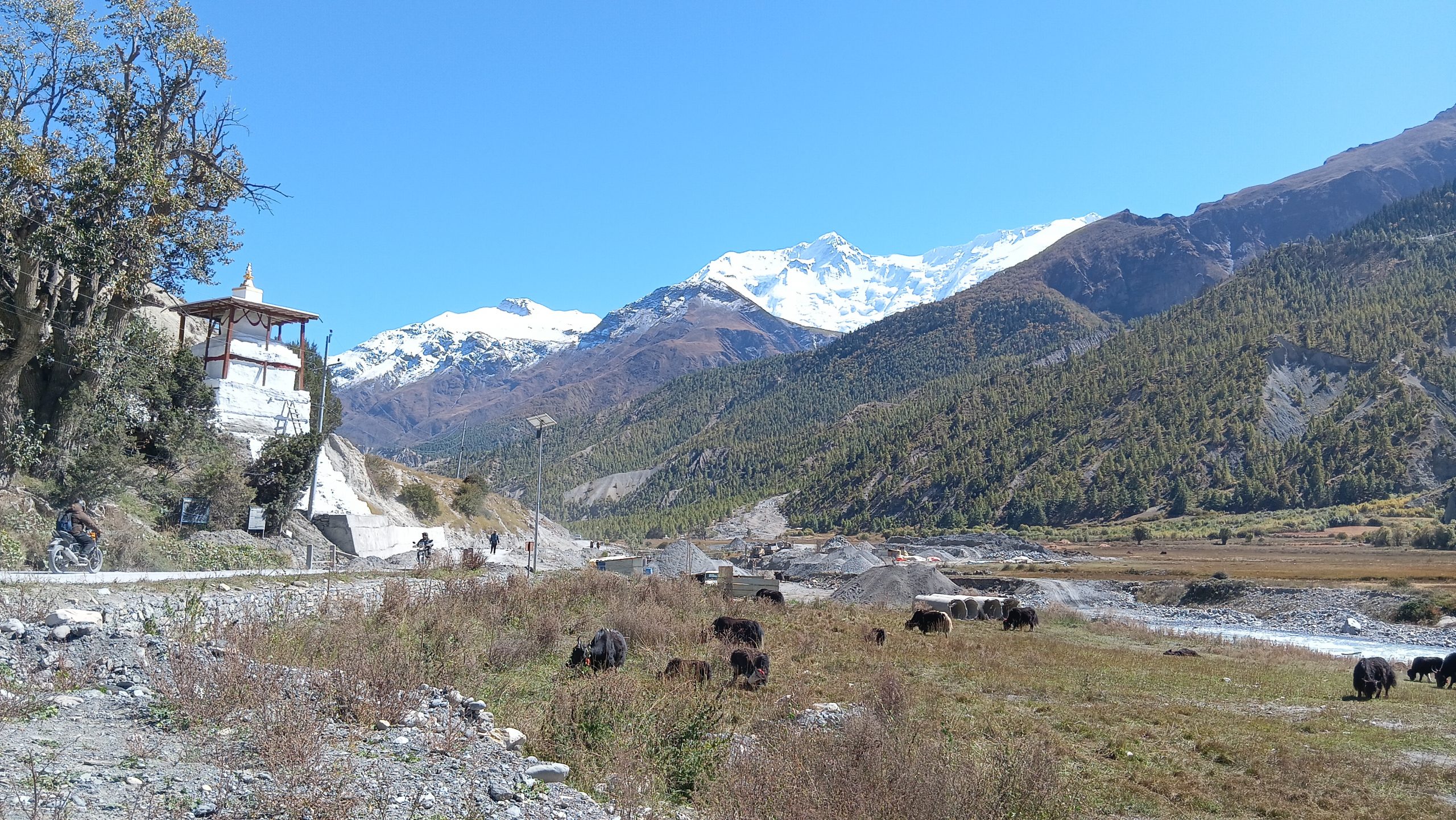
While yak farming plays a vital role in the livelihoods, culture, and local economies of mountain communities, herders across all three countries face severe challenges. According to ICIMOD Senior Pasture and Livestock Specialist Tashi Dorji, these include declining yak and chauri populations, shrinking and degrading pastures, climate change impacts, loss of genetic diversity, livestock predation by wildlife, limited access to markets and services, and the migration of youth from high-altitude and Himalayan regions. Because these challenges transcend national borders, regional collaboration is essential. The Himalayan Yak Herders Network will provide a crucial platform for collective advocacy, knowledge exchange, capacity building, and cross-border cooperation. Specialist Dorji noted that by bringing the national federations of all three countries together, the network aims to expand resilient livelihood opportunities, protect healthy pastures, and strengthen the conservation of yak genetic resources.
The concept of a regional yak herders network was first envisioned in 2016, when ICIMOD brought together yak farmers, researchers, and government officials from the three countries through its Kangchenjunga Landscape Conservation and Development Initiative. In 2018, representatives from the region participated in the Arctic Frontiers conference in Norway and interacted with the World Reindeer Association. Inspired by the cross-border model of that association, the concept of establishing a similar regional platform in the Hindu Kush Himalaya region was developed.
Subsequently, the three countries agreed to form robust national federations prior to launching a regional network. Accordingly, national federations were formally established in Bhutan in 2022, Nepal in 2023, and India in 2025. In 2025, during the 10th Conference on Sustainable Animal Agriculture for Developing Countries held in Vietnam, federation leaders and government officials made a formal commitment to establish the Himalayan Yak Herders Network. This launch at Bhutan’s Royal Highland Festival marks a significant milestone in nearly a decade of collaboration between Himalayan yak-farming communities and their partners.
Key Statistics on Pastures and Yak Populations:
- Hindu Kush Himalaya Region: Pasturelands cover more than 60 percent of the region, serving as a primary resource for 25 to 30 million indigenous and local communities directly dependent on them for their livelihoods.
- Nepal: According to the National Agriculture Census (2021/22), 9,899 farmers in Nepal have reared an estimated 53,195 yaks, naks, and chauris. In Karnali Province alone, pastures cover 34 percent of the total land area, hosting 92 species of medicinal plants (82 of which are actively traded), generating an annual income of approximately 3.6 million Nepali rupees.
- India: According to the 20th Livestock Census (2019), India had around 58,000 yaks. The Yak Federation of India reports that in 2026, its 526 member households own approximately 32,000 yaks.
- Bhutan: According to 2024 data from the National Statistics Bureau (NSB), 746 households in the country rear a total of 29,432 yaks. Yak farming contributes 4 percent to the nation’s total livestock production.
ICIMOD data indicates that over the past few decades, yak populations in Bhutan, India, and Nepal have experienced significant declines due to changing land-use patterns, pasture degradation, climate pressures, and socio-economic shifts.
RSS/Unified Nepal