
flood
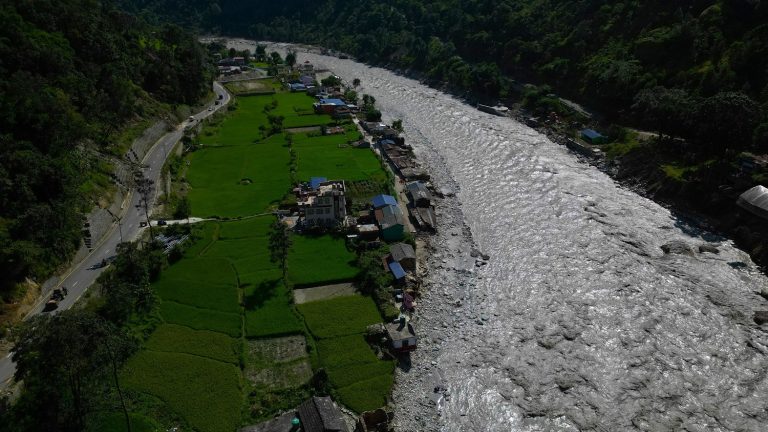
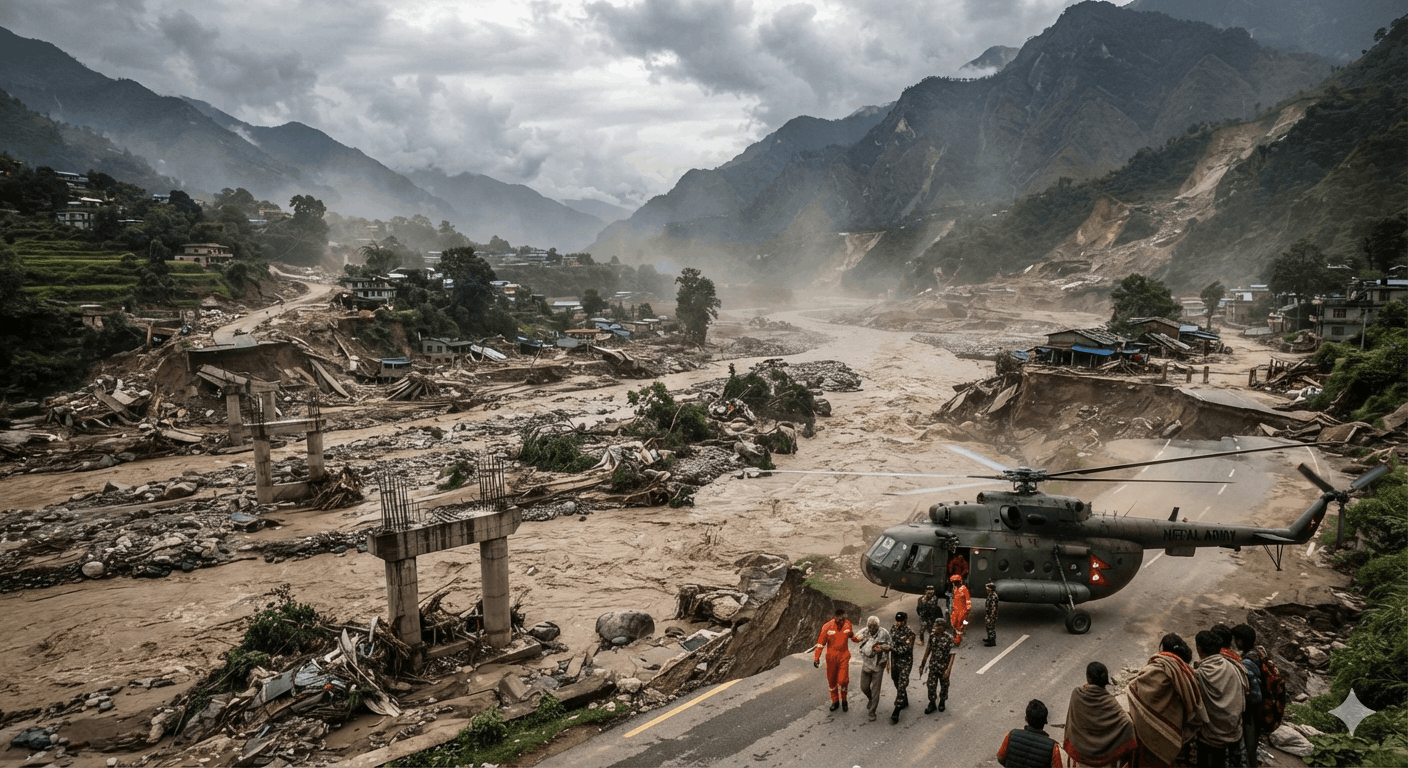
Kathmandu, Sept 14: Nearly three weeks after the devastating Bhotekoshi flood struck Rasuwa and caused widespread destruction across several districts, Prime Minister Balendra Shah has finally begun direct consultations with elected representatives from the disaster-hit areas.
The consultation, which began at 11:00 am today at the Office of the Prime Minister and Council of Ministers in Singha Durbar, comes long after local governments were left dealing with the immediate consequences of the disaster, including deaths, displacement, damaged infrastructure and disruption of livelihoods.
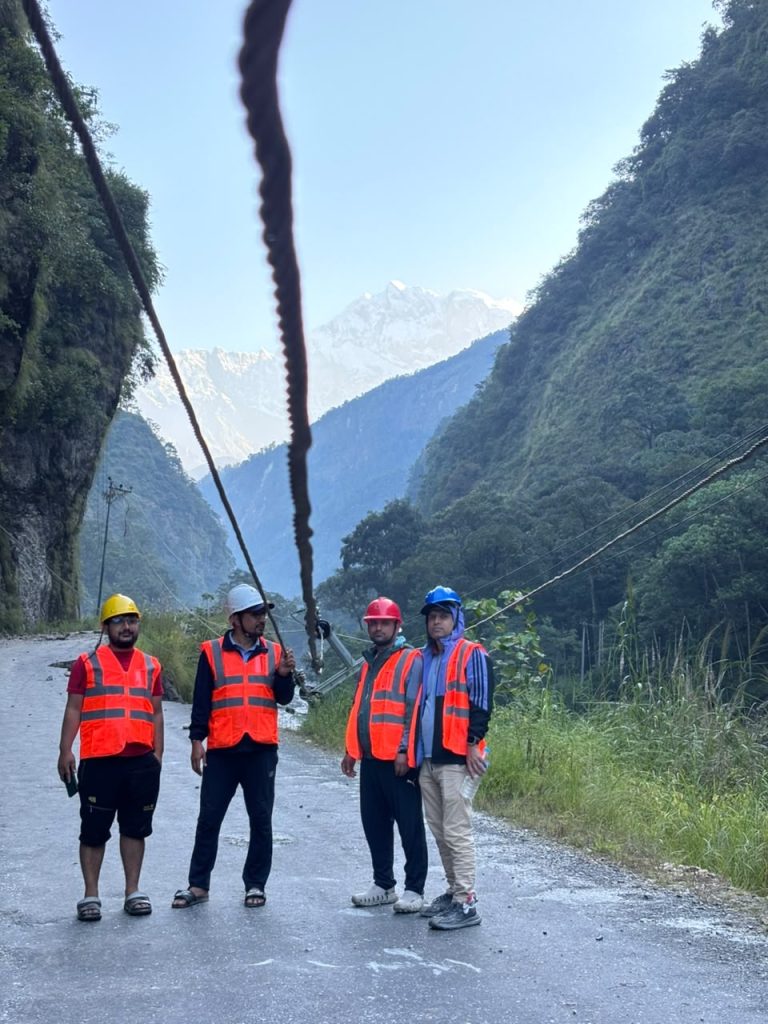
The August 26 disaster has affected communities across Rasuwa, Nuwakot, Dhading, Gorkha and Tanahun, among other areas declared disaster crisis-hit. Yet, the Prime Minister’s direct engagement with representatives from the affected local levels has come only after a considerable delay, raising questions about the government’s disaster-response coordination and the priority given to local voices during the critical early phase of the crisis.
The meeting is expected to review the situation in the affected areas, assess ongoing challenges and discuss immediate relief measures as well as recovery and reconstruction.
Members of the House of Representatives from Nuwakot, Dr Bikram Timilsina and Achyutam Lamichhane, are participating in the discussion along with mayors and rural municipality chairpersons from the affected areas.
Representatives from Nuwakot include Bidur Municipality Mayor Rajan Shrestha, Belkotgadhi Municipality Mayor Jagat Bahadur Gurung, Kispang Rural Municipality Chair Birbal Tamang and Tarkeshwar Rural Municipality Chairperson Shiv Adhikari.
Rasuwa is represented by Uttargaya Rural Municipality Chairperson Madhav Prasad Aryal, Kalika Rural Municipality Chair Hari Krishna Devkota and Aamachhodingmo Rural Municipality Chairperson Buchung Tamang.
From Dhading, Galchhi Rural Municipality Chair Kedarnath Khatiwada, Siddalek Rural Municipality Chair Parshuram Khatiwada, Gajuri Rural Municipality Chair Ganeshlal Shrestha and Benighat Rorang Rural Municipality Chair Krishna Bahadur Thapaliya are attending the meeting.
Tanahun’s Devghat Rural Municipality Chair Til Bahadur Thapa and Aanbukhaireni Rural Municipality Chair Shukra Chuman, along with Gorkha’s Gandaki Rural Municipality Chair Dipak Timilsina, are also participating.
Gosaikunda Rural Municipality Chair Kaising Nurpu Tamang is joining the meeting virtually, according to the OPMCM.
While direct consultation with local representatives is necessary, the timing has become an important part of the story. Disaster management is not only about holding meetings after the crisis has unfolded. Local representatives are the first to confront the realities of missing people, damaged roads, displaced families, disrupted schools and health services and urgent demands for reconstruction.
For communities struggling to recover from the Bhotekoshi disaster, the question is therefore not simply whether the Prime Minister has finally listened to their representatives, but why such a consultation took so long.
The government now faces the task of converting the delayed consultation into concrete action. Local governments will need timely resources, clear responsibilities and coordinated support if relief, rehabilitation and reconstruction are to move beyond official discussions and reach the people affected by the disaster.