कार्टन
New York, October 17:
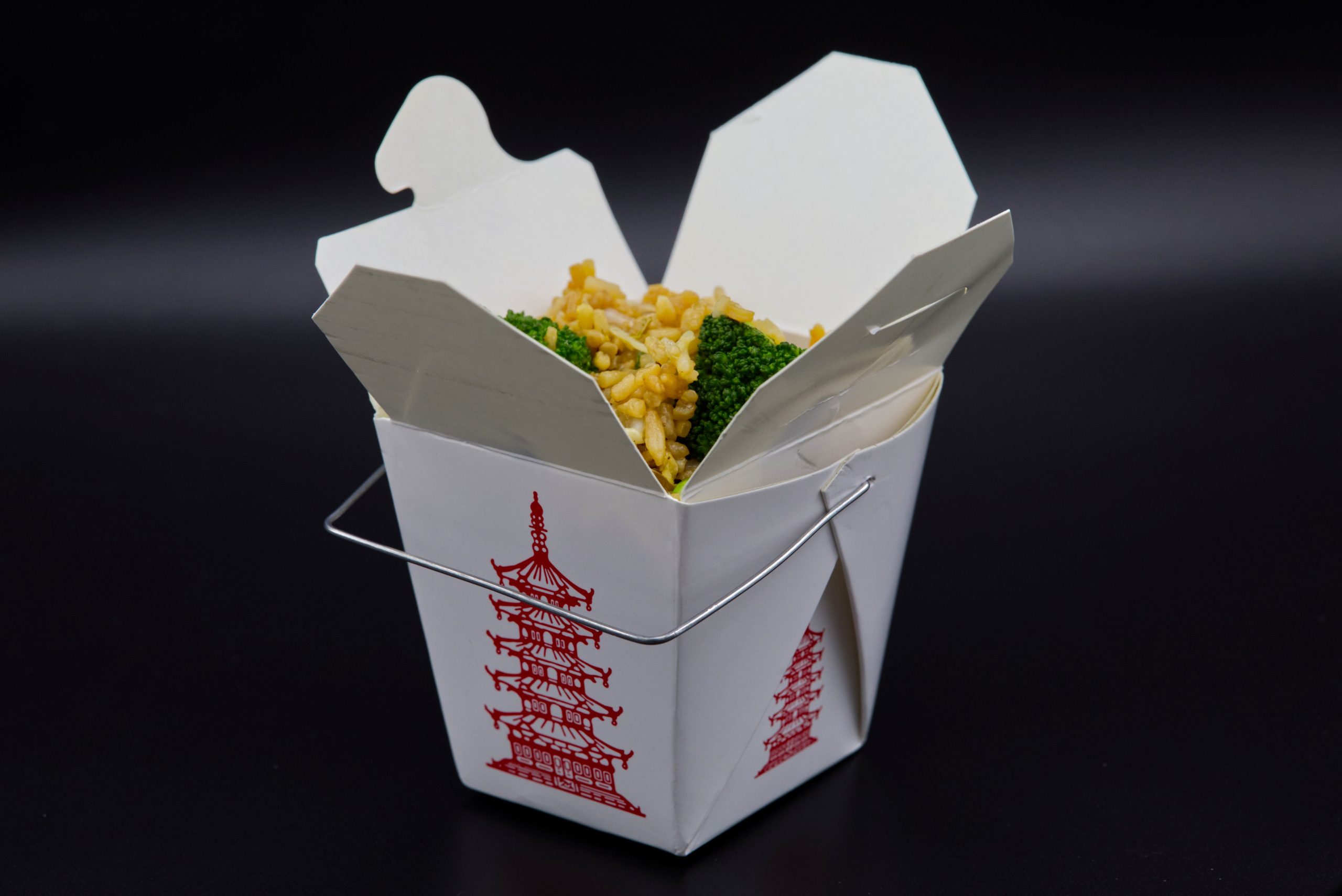
The small white carton used for takeout Chinese food has become an iconic symbol of Chinese cuisine in the United States. Crafted from a single piece of paper, the history of this box is deeply intertwined with American invention, Chinese immigration, and food culture.
The concept dates back to 1894 when inventor Frederick Weeks Wilcox obtained a patent for a paper pail designed to hold oysters. Made by folding paper in a specific way, the box prevented leaks while featuring a secure lid. Around the mid-19th century, Chinese immigrants began arriving in the U.S. driven by the Gold Rush and railway construction. Chinatowns developed in cities like San Francisco, where local restaurants played a crucial role in establishing the American style of Chinese cuisine.
According to Michelle King, a professor of Chinese history at the University of North Carolina, the variety and number of Chinese restaurants in the U.S. increased significantly following World War II. She noted that factors such as the affordable pricing, effortless availability, and convenience of takeout further propelled its popularity.
In the 1970s, a packaging company called Fold-Pak added a traditional Chinese pagoda illustration onto the carton. This gave the container a distinct identity associated with Chinese cuisine. Comparing it to the pizza box traditionally linked with Italian food, King stated that such packaging helped shape a unique image for Chinese-American food.
Today, these cartons are available in various sizes, and the range of dishes they hold has also expanded. Beyond mere food packaging, its recognition extends even to the “takeout” emoji on mobile phones. This illustrates how a simple paper box transformed into a prominent symbol of American popular culture.
RSS/Unified Nepal