बिजिली जोङ्ग
Rasuwa, November 8:
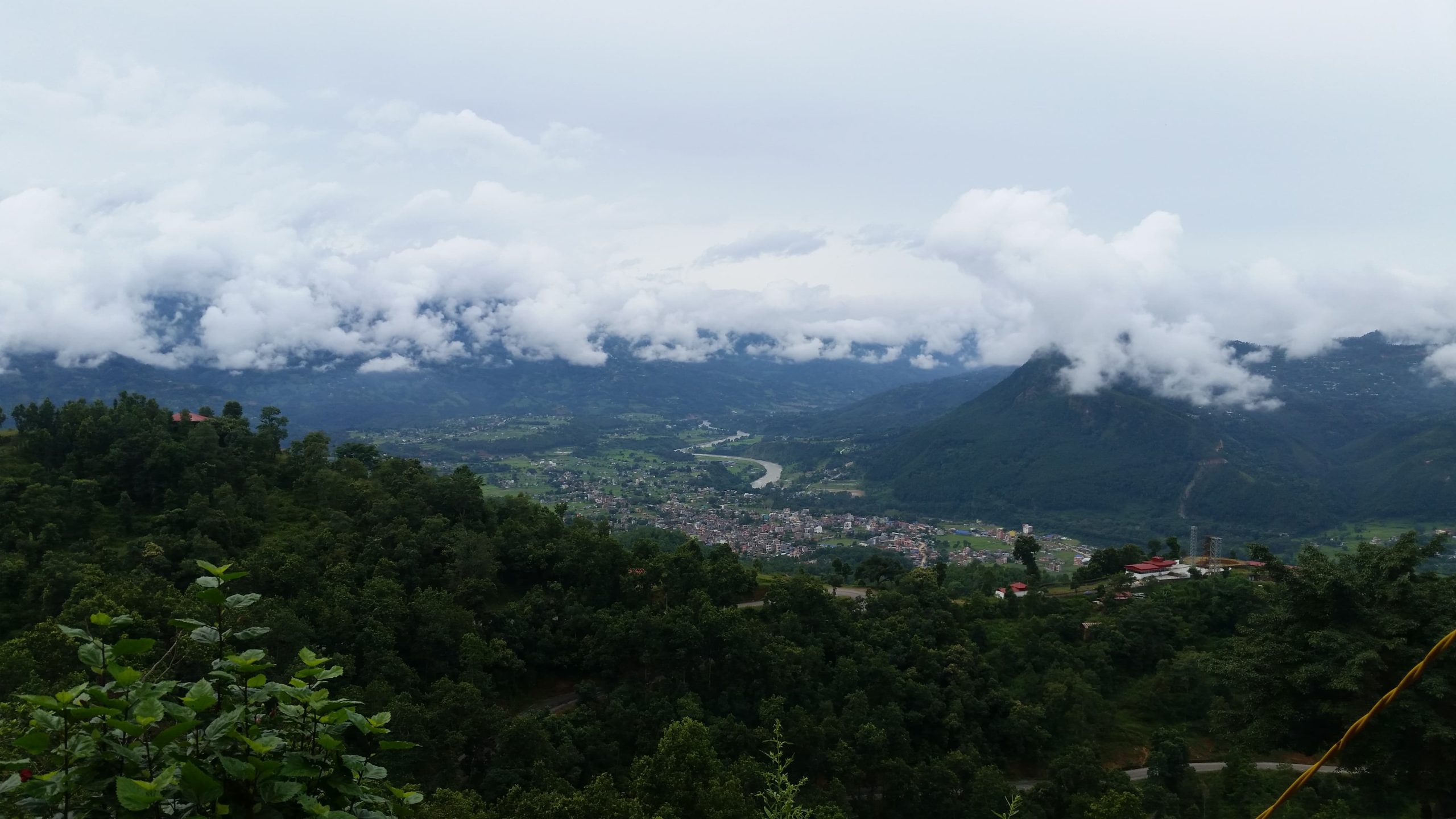
The ‘Bijili Jong’ (Bijili Dhunga) area, situated in Langbu, Naukunda Rural Municipality-1 of Rasuwa, is increasingly developing as a new destination for domestic tourists, thanks to its religious significance and abundant natural beauty.
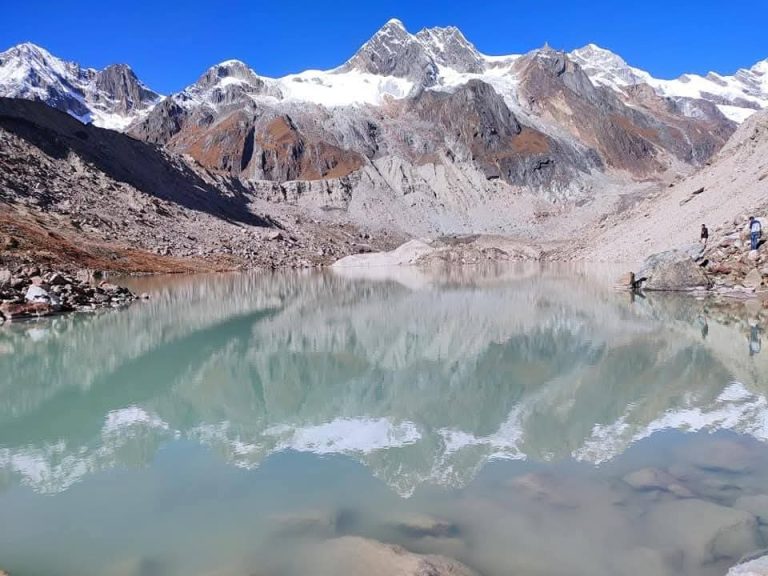
Easily accessible via the Syaubari-Gumbudanda-Kalikasthan route along the Pasang Lhamu Highway, the site has gained prominence due to its indigenous legends and captivating natural formations. Featuring a high alpine and Himalayan climate, the area offers panoramic views of the scenic Lachyangtar and its surrounding landscapes.
According to Chandra Bahadur Galan, Vice-Chairman of Naukunda Rural Municipality, the local government is making systematic efforts to develop Bijili Jong as a major tourist hub by highlighting its historical and religious importance. Vice-Chairman Galan stated that the conservation and promotion of such natural and cultural heritage would significantly contribute to the rural municipality’s economic development and local job creation.
Local resident Hira Lama noted that Bijili Jong is not merely a mound of stones, but a repository of indigenous culture, tradition, and civilization preserved since ancient times. Lama expressed that if the area’s glory, historical folklore, and religious beliefs are conserved and adequately promoted, it could evolve into one of the country’s premier tourist destinations.
Another local, Binod Lama, pointed out that despite high tourism potential, the area still lacks basic tourist infrastructure such as trekking trails, drinking water, and other necessary amenities. Lama emphasized that government bodies and stakeholders should immediately prioritize infrastructure development for the advancement of the Bijili Jong area.
A Poignant Mythological Love Story and Origin
A touching local folklore surrounds the origin of Bijili Jong. According to ancestral religious accounts, an unmarried beauty once lived in Nirkubhume, Saramthali. Captivated by her beauty, ‘Jure Dhunga’ proposed marriage to her. Although she was fond of ‘Sippud’, she eventually agreed to marry Jure Dhunga at her mother’s behest.
As the wedding procession was underway with musical bands to bring the bride home, a bird named ‘Bijili’ reportedly appeared from the sky and severed the bride’s gold cord. At that exact moment, the bride and the entire wedding party allegedly fell from the sky and turned into stone. The religious belief persists that the unusual rocks and Bijili Jong seen in the area today are the physical forms of that very bride and wedding entourage.
Mysterious Natural Formations and Attractions
Several other intriguing natural structures lie in the vicinity of this tourist destination. Tabu Thudba (Horse Stone), located near Bijili Jong, resembles the shape of a horse. Lamang Dhunga (God’s Farm), situated to the eastward direction, was considered a heavenly garden in prehistoric times.
To the east of the area lies an approximately 60-meter-deep tunnel, which remains partially unexplored, long, and mysterious, continuously attracting adventurous explorers. Additionally, there is a snake-shaped stone, around which living snakes are believed to appear during religious festivals. A lingering legend also recounts that in the ancient Satyayuga, deities used to provide essential utensils to locals for auspicious ceremonies like marriages and thread-girding, but the service was eventually halted because people failed to return them on time.
Religious Beliefs, Traditions, and Annual Fairs
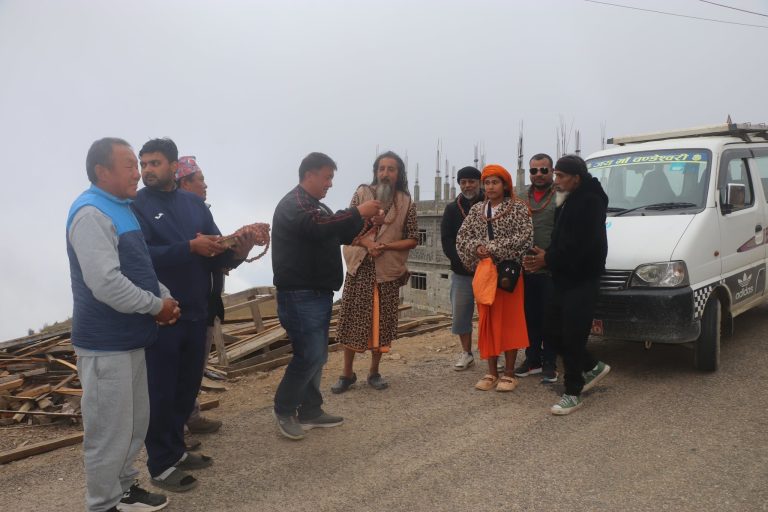
The Bijili Jong area is regarded as an extremely sacred and sensitive site in local culture. To preserve traditional sanctity, women are strictly prohibited from climbing atop the stone. Furthermore, littering, roasting meat, and bringing garlic, stinging nettle (sisnu), and alcoholic beverages into the vicinity are completely banned.
A grand traditional fair is held here annually on the day of Poush Shukla Purnima (the full moon in Poush). On every new moon (aunsi) and full moon (purnima), special prayers are conducted by shamans (jhankri) and lamas, accompanied by offerings of cow’s milk. Residents from areas such as Langbu, Arukhark, Thaindor, Simbandi, Yarsa, Lachyang, Sasryu, Ghirmu, and Basbhanjyang participate in the fair with cultural shamans and traditional dances. Local resident Ramesh Ghale shares that community-wide worship of deities is performed here to seek protection for the village, fulfill aspirations, and ward off natural calamities like diseases, floods, and landslides.
— RSS