देउडा नाच
Ram Kumar Rai
Kathmandu, Nov 6.
Deuda, an immensely popular folk dance in the hilly regions of the Far-Western and Karnali provinces, is much more than just a folk dance or a means of entertainment; it stands as a strong pillar of the region’s civilization, history, social harmony, and indigenous identity. In this culturally and artistically rich region, festivals, fairs, weddings, and celebrations are considered incomplete without Deuda.
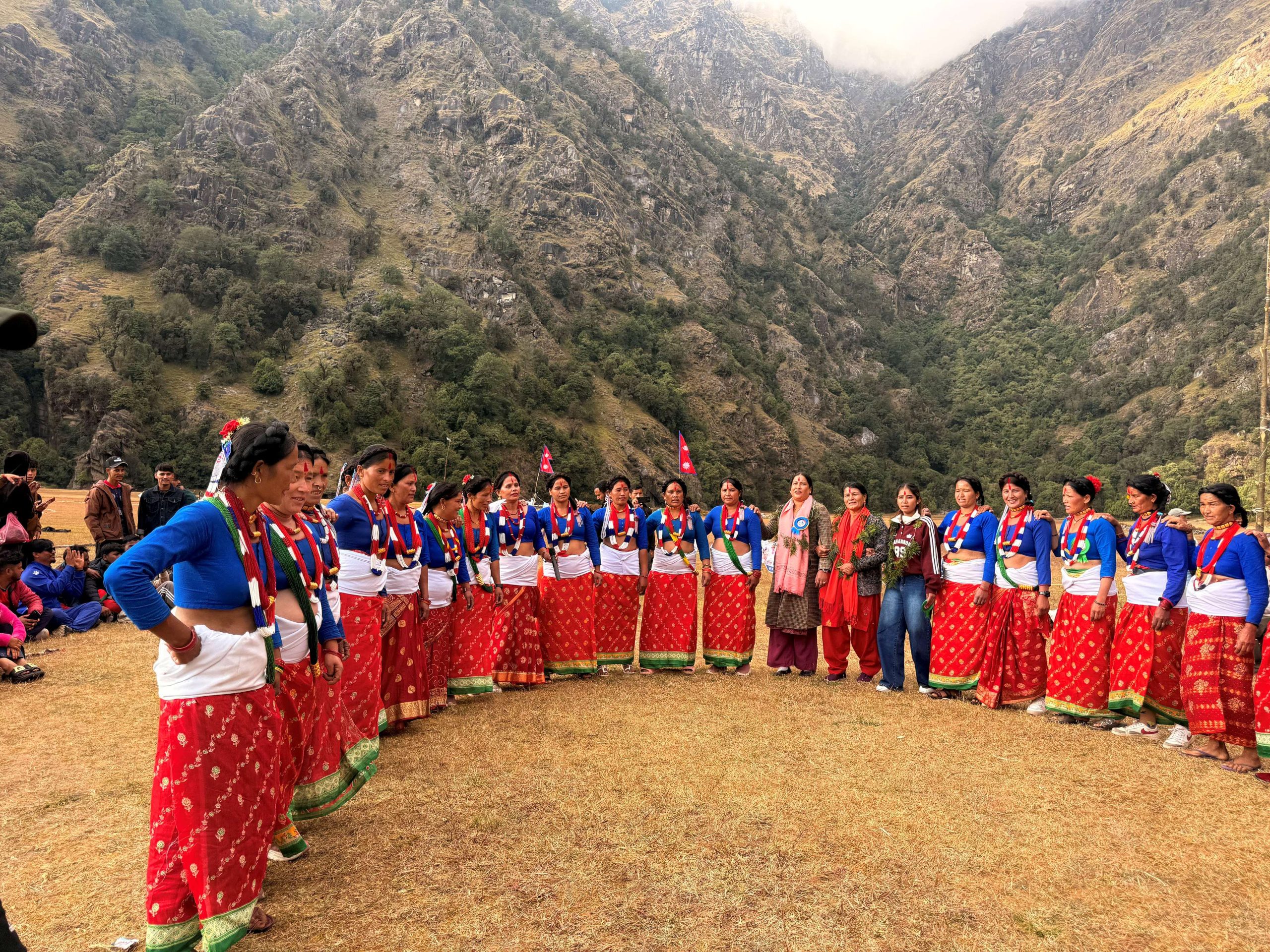
The origin and evolution of the Deuda genre date back historically within this very region. It is typically performed collectively, with participants holding hands in a circle or a serpentine formation, synchronizing their steps to the rhythm while moving their arms and waist to sing songs.
The lyrical compositions are primarily in the Khas language and local dialects such as Doti, Baitadeli, Achhami, or Jumli. Deuda songs incorporate hymns to deities, mythological tales, themes of love, separation, joy and sorrow, social critiques, and contemporary issues. Its rhythm and melody possess a hypnotic charm capable of captivating anyone.
One of the greatest features of the Deuda culture is its message of mutual harmony, reconciliation, and unity in society. People from all castes, classes, ages, and genders stand together in a single circle to perform Deuda collectively.
It helps bridge gaps and deepen relationships in villages by putting aside petty differences. Deuda is traditionally performed throughout the night during festivals such as Tihar, Gaura Parva, Bisu, Masta Puja, and various local jatras and festivals. It fosters a sense of collective spirit and inspires the younger generation to remain connected to their cultural heritage.
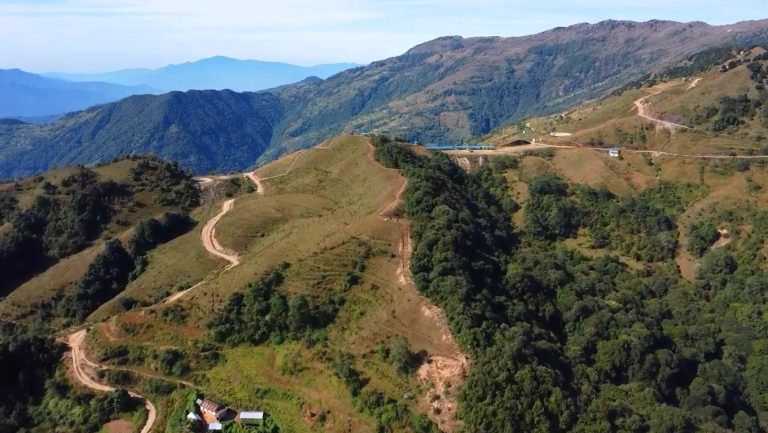
In recent times, the Government of Nepal and local bodies have begun promoting tourist destinations in the Far-West to boost domestic and international tourism. Deuda has emerged as a powerful medium to connect tourists visiting scenic destinations such as Ramaroshan, Khaptad, Badimalika, and Rara Lake with the local folk culture.
Visitors often join local women and youth to dance and enjoy Deuda. This form of cultural tourism enlivens the rural economy and positively impacts the income of local communities.
Due to the advancement of modern technology, the blind imitation of Western culture, and the growing trend of youth migration abroad, our indigenous folk cultures are increasingly facing threats. Passing down a majestic folk art like Deuda to the new generation brings certain challenges.
To preserve and promote it, there is an urgent need to document the works of veteran Deudiya (Deuda singers), incorporate local culture into school and college curricula, and organize cultural festivals.
Deuda is the heartbeat of the Far-West, spreading the unique essence of the region across the country and around the world. There is no doubt that if this invaluable folk heritage is conserved, promoted, and commercially developed, it can become a major attraction for Nepal’s tourism industry. It is imperative today for state bodies, local governments, and stakeholders to formulate concrete policies and programs for its preservation.