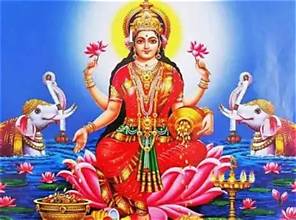
देवी लक्ष्मी
Kathmandu, November 8.
Today, the festival of Laxmi Puja is being observed with deep reverence, devotion, and special worship dedicated to Goddess Lakshmi, the deity of opulence, wealth, and prosperity. According to Vedic and Sanatan traditions, Laxmi Puja is celebrated every year on Kartik Krishna Aunsi (the new moon day), which marks the third day of Yamapanchak and Tihar.
To ensure that Goddess Lakshmi abides only in clean and freshly smeared homes, today is dedicated to thorough cleaning and welcoming the goddess, notes Sanskrit scholar Prof. Toyaraj Nepal. Early in the morning, houses are cleaned and purified using cow dung and red clay, followed by illumination to invite Lakshmi. Specifically, traditional cleaning and lighting are carried out across thresholds, courtyards, rooms, windows, doors, balconies, attics, and staircases. This festival is also known as Dipamalika.
The night of Kartik Krishna Aunsi—when Laxmi Puja is performed—is also referred to as Sukharatri (the night of happiness). It is considered one of the four principal nights celebrated throughout the year. For the puja, paths leading from the courtyard to the main entrance and up to the worship room are smeared with cow dung and red clay, and footprints of Goddess Lakshmi are drawn using rice flour and vermilion (abir) to guide her into the house. Small oil lamps (palas) or banana stumps lined with earthen lamps are lit along the path to create a dazzling festive illumination. While electric candles are increasingly replacing traditional oil lamps, Prof. Nepal emphasizes that using traditional oil-filled clay lamps remains the authentic Vedic tradition.
Following the illumination, a formal worship of Goddess Lakshmi is conducted in the prayer room. The setup includes a sacred water pot (kalash) and Lord Ganesha alongside Lakshmi and Kubere, accompanied by offerings of ornaments, money, paddy, rice, fruits, selroti, and flower garlands. After the puja, young girls and daughters of the household are revered as living symbols of Lakshmi and presented with cash offerings (dakshina). There is a firm religious belief that transferring wealth or other valuable goods outside the home after Laxmi Puja on this day causes the goddess of wealth to depart.
According to scriptural procedures shared with RSS by Sanskrit scholar Prof. Dr. Ramchandra Gautam, Laxmi Puja is performed during the twilight hours, and at midnight, women of the household traditionally beat winnowing fans (nanglo) to cast away misfortune with the chant: “Let poverty (Alaxshmi) depart, and let wealth and prosperity arrive.”
This evening, groups of young women will go from house to house singing Bhailo. According to scriptural lore, Lord Vishnu granted King Bali the privilege of ruling all three realms—heaven, earth, and the netherworld—for the five days of Yamapanchak. Bhailo singing is said to originate from King Bali’s directive for people to sing door-to-door wishing for well-being (bhalo hosh). Over time, the phrase “bhalo hosh” corrupted into “Bhailo,” explains the scholar. Those who come singing Bhailo are presented with paddy, rice, flower garlands, money, and selroti. Religious tradition holds that gifts given during Bhailo represent the auspicious charity of Kartik; failing to give brings misfortune, while giving yields spiritual merit.
Urban markets are brilliantly lit with festive illuminations to mark the occasion. While some communities observe Cow Worship (Gai Puja) early this morning according to family traditions, scriptural guidelines specify that Cow Puja should officially take place only after the new moon transitions into Kartik Shukla Pratipada, notes Sanskrit scholar Prof. Dr. Devmani Bhattarai.
Although festival leave historically begins on the day of Laxmi Puja, this year the festival coincides with Sunday’s regular public holiday. The official Tihar holiday extends from Monday through the day following Bhai Tika (November 26).
— RSS