
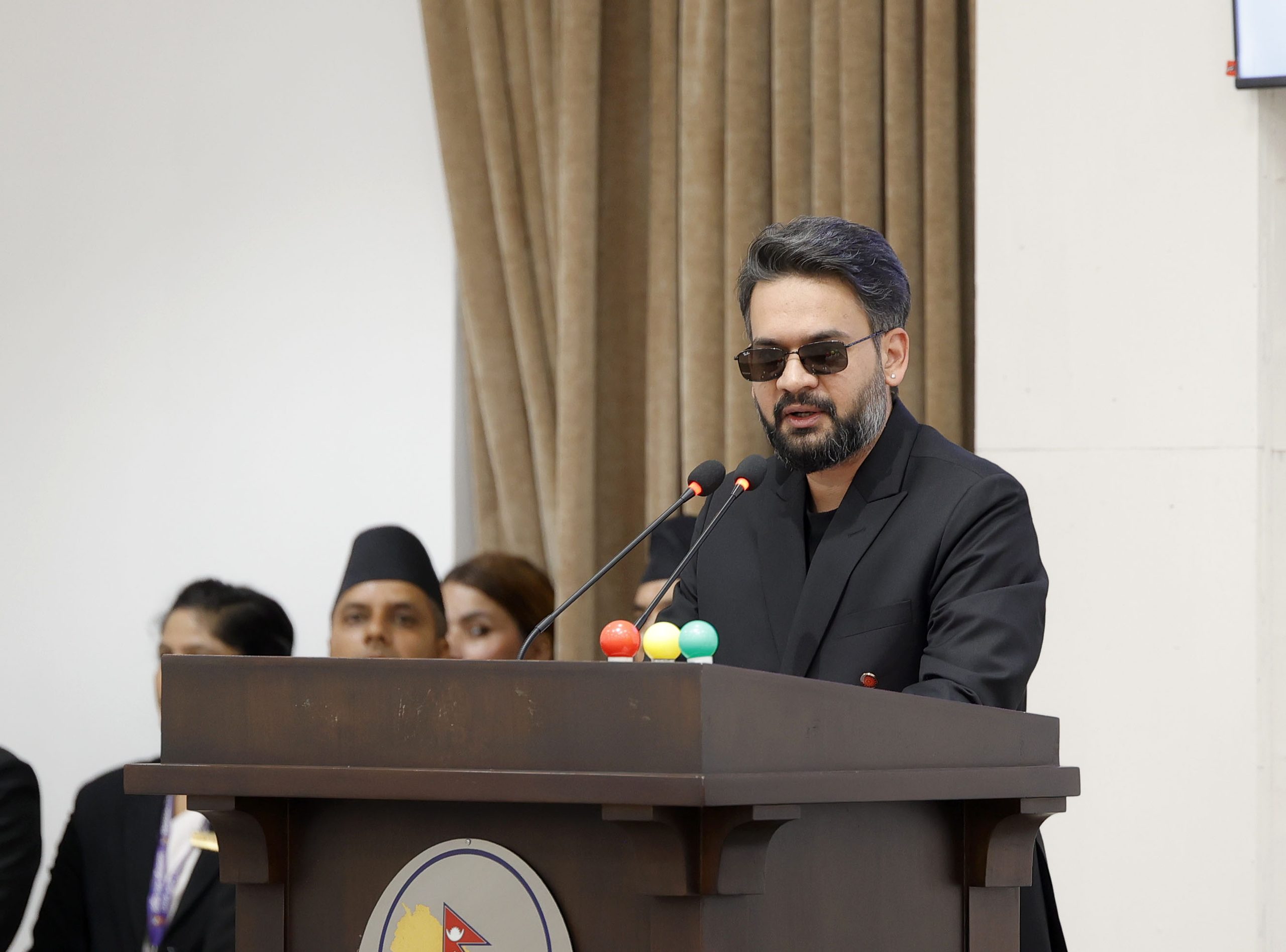
प्रधानमन्त्री वालेन्द्र शाह सिंहदरबारस्थित सङ्घीय संसदमा बुधबार बसेको प्रतिनिधिसभा बैठकलाई सम्बोधन गर्नुहुँदै । तस्बिरः गोपाल दाहाल/रासस
Kathmandu, Sept. 11: Prime Minister Balendra Shah is scheduled to address the 81st session of the United Nations General Assembly on September 24. The government says the visit will provide Nepal with an opportunity to present its priorities before the international community and seek global support on climate change and other issues.
However, the announcement has also raised serious questions about the government’s diplomatic preparation and foreign policy priorities.
The decision to attend one of the world’s most important diplomatic gatherings appears to have come very late. With the UN General Assembly only days away, there has been little public indication of systematic preparation, prior diplomatic consultations or a clearly defined strategy for what Nepal expects to achieve from the visit.
A prime minister’s participation at the UN General Assembly should not be treated simply as an opportunity to deliver a speech. Such a visit can involve meetings with world leaders, multilateral institutions, development partners and other governments. These meetings require advance preparation, diplomatic coordination and clear national priorities. Without this groundwork, there is a risk that the visit could become more symbolic than productive.
The timing also exposes another weakness in the Shah government’s foreign policy approach. Nearly five months after taking office, the Prime Minister has not made an official visit to either of Nepal’s two immediate neighbours. Nepal’s relations with India and China remain central to its economic, political and strategic interests. Before rushing to project Nepal’s priorities on a global stage, the government should also have demonstrated greater seriousness in strengthening engagement with its closest neighbours.
There are also concerns about the Prime Minister’s previous public statements on sensitive national and territorial issues. Diplomacy requires careful language. A statement made without sufficient evidence, official consultation or understanding of diplomatic protocol can create unnecessary tension. Claims or remarks suggesting that Nepal has encroached on another country’s land, for example, may have serious diplomatic consequences if made without proper verification and coordination with the Ministry of Foreign Affairs.
A prime minister cannot speak on foreign affairs in the same manner as a political campaigner or a social media personality. Every public statement can be interpreted internationally. A careless remark may affect bilateral relations, create confusion about Nepal’s official position and give other countries an opportunity to question Nepal’s diplomatic consistency.
Diplomatic etiquette and protocol are therefore not minor technical matters. They are essential parts of representing a country. Nepal’s foreign policy must be based on preparation, institutional consultation, historical understanding and national interest, not on sudden decisions or personal political impulses.
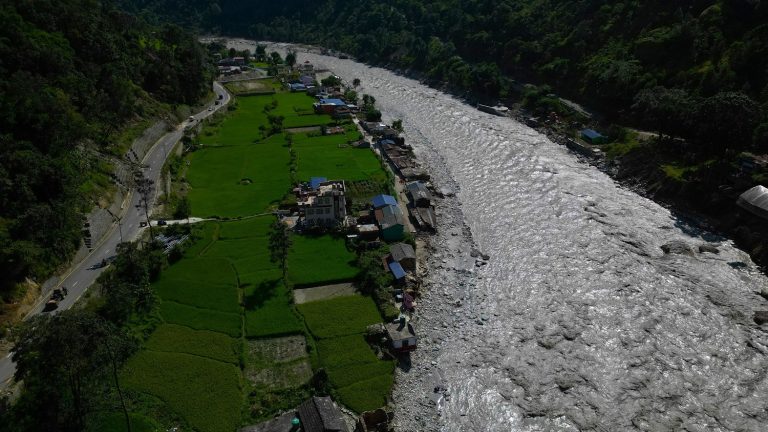
The government plans to use the UN platform to demand climate justice following the recent Bhotekoshi flash floods and to seek support for climate finance, technology transfer and assistance from the Loss and Damage Fund. These are important issues for Nepal. The country has contributed little to global greenhouse gas emissions but remains highly vulnerable to floods, landslides, glacier-related risks and other climate disasters.
Yet raising important issues is only one part of diplomacy. Nepal must also know what concrete commitments it wants, which countries or institutions it wants to engage with, and what follow-up mechanism will ensure that the visit produces results.
The planned side event, Sagarmatha to the Sea: A Call to Action for a Climate-Resilient Future, may help draw international attention. But international speeches and side events alone cannot replace a coherent foreign policy.
The bigger concern is whether the government has developed a clear diplomatic roadmap before entering such a high-level international forum. Nepal cannot afford foreign policy conducted through last-minute planning, spontaneous statements and symbolic appearances.
Prime Minister Shah’s first appearance at the UN General Assembly will be closely watched. It can be an opportunity to present Nepal as a responsible and confident member of the international community. But that will depend not only on the speech delivered in New York, but also on the preparation made before the visit and the diplomacy carried out after it.
For a government that has repeatedly promised a new political culture, its approach to foreign affairs must show maturity, consistency and respect for diplomatic institutions. Otherwise, a major international platform could expose not Nepal’s strength, but the government’s lack of preparation.